
Shopify eCommerce Website Design & Development Company
Shopify Websites Built To Maximize Sales
Why Shopify Development for Websites?

Built for eCommerce Growth
Expertise in advanced eCommerce tactics that help drive sales lifts and optimize your KPIs and increase revenue over time.

High-End Shopify Design
Stunning storefronts, intelligently crafted, and conversion-optimized. Premium design that elevate your brand and sells with intent.

Custom Shopify Development
Theme development engineered for speed and flexibility. Clean code, scalable components, and built to evolve as you grow.

Conversion-Optimization
We optimize flow, trust, and friction points to increase conversion rates. Carefully crafted to maximize completed purchases.

Increase AOV & Reduce CAC
Shopify websites that drive stronger ROI. Increase cart value and improve profitability with smarter offers and better conversion.

SEO for Ecommerce
Search visibility drives long-term growth. Our Shopify websites are built for SEO from the ground up to help drive sales.
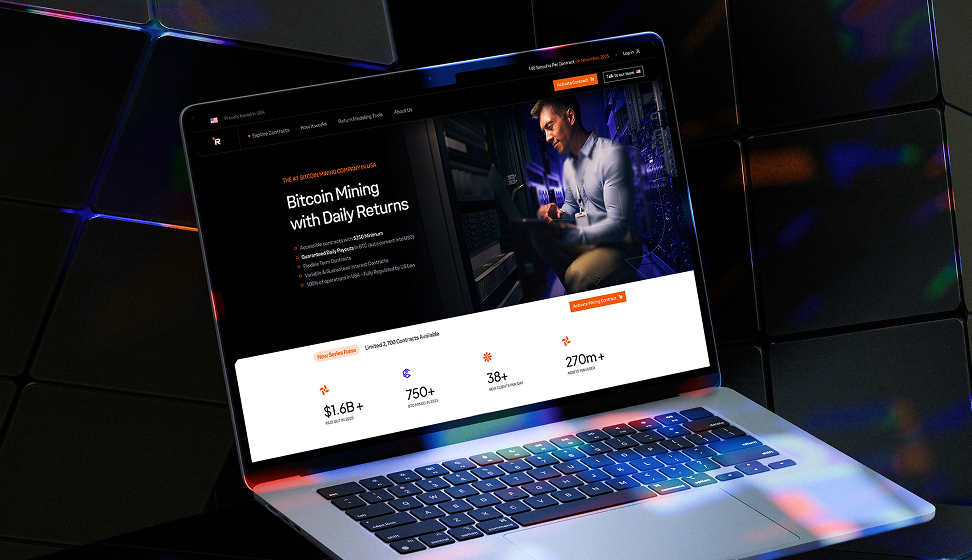
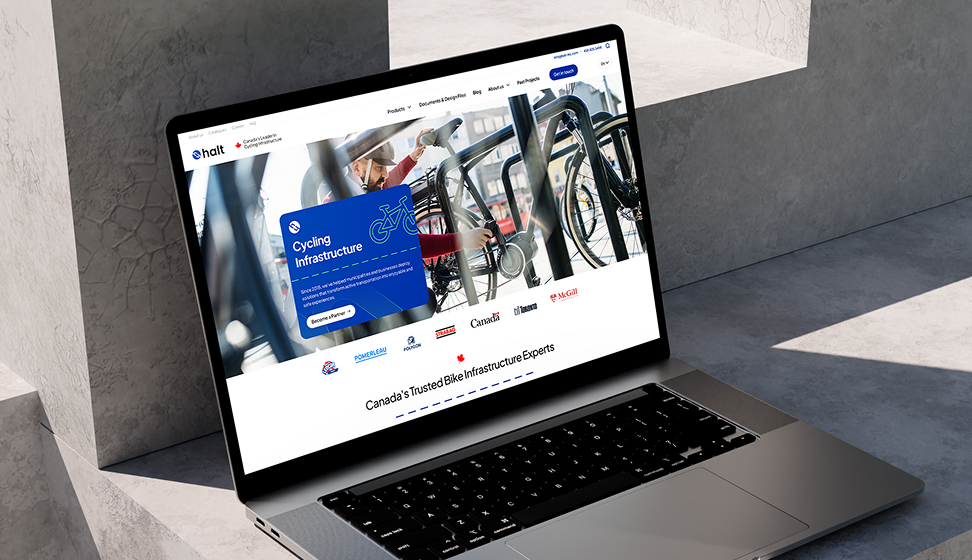
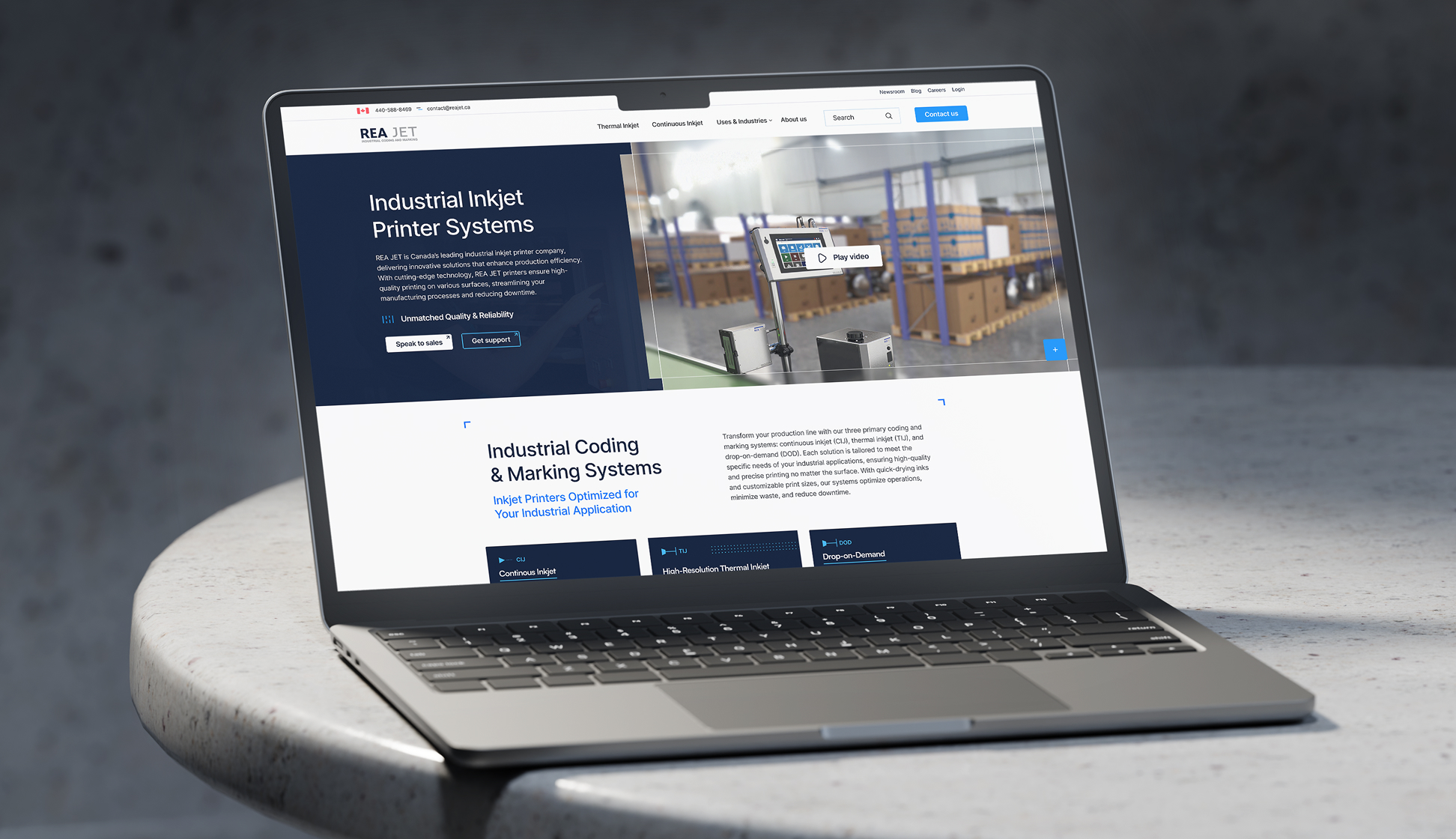
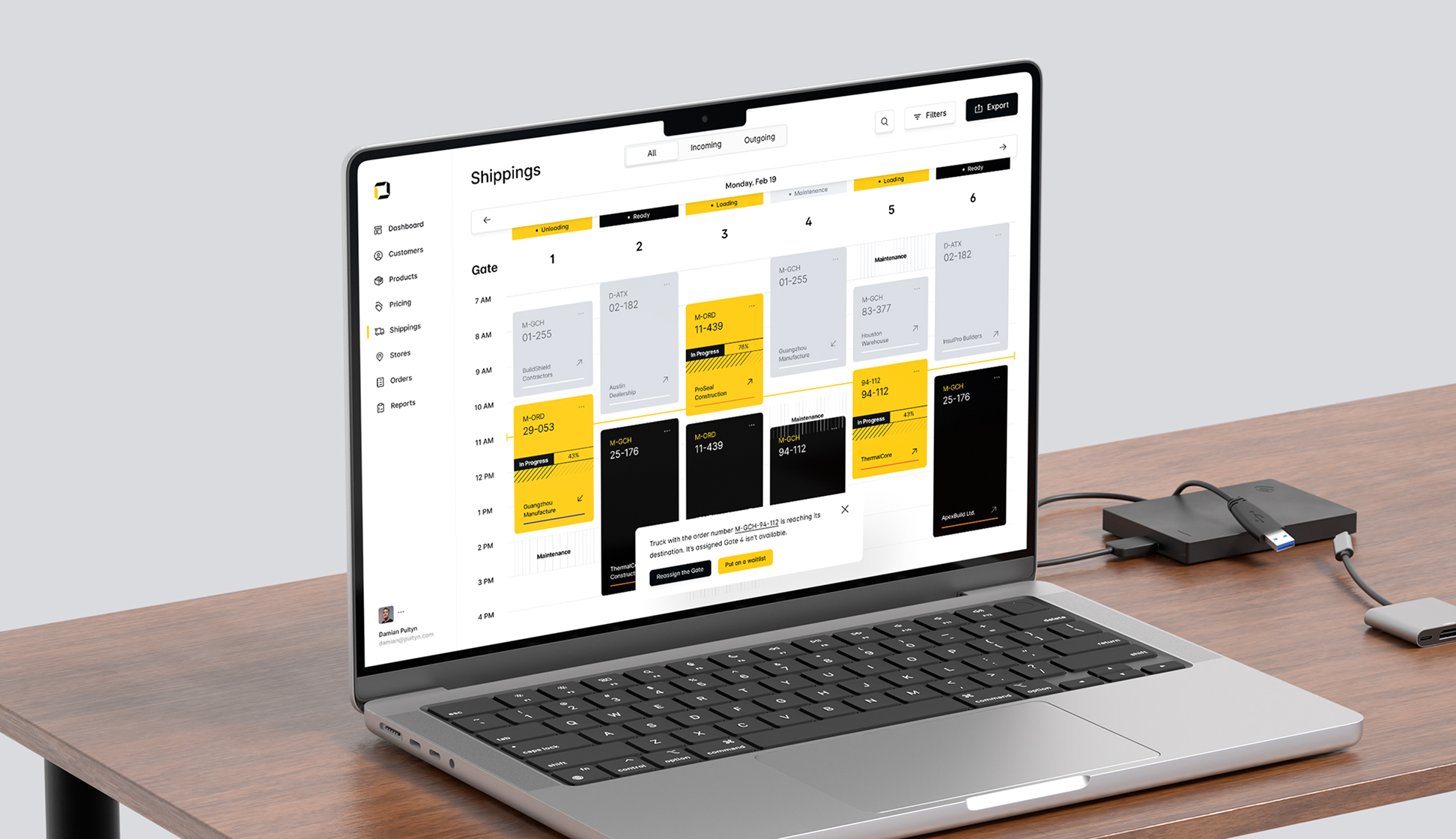
Premium Website Design & Development











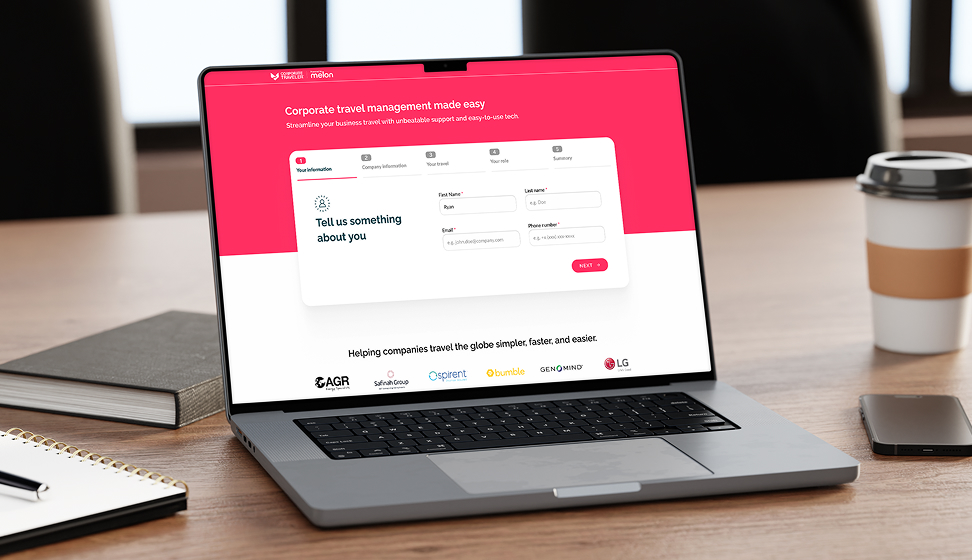




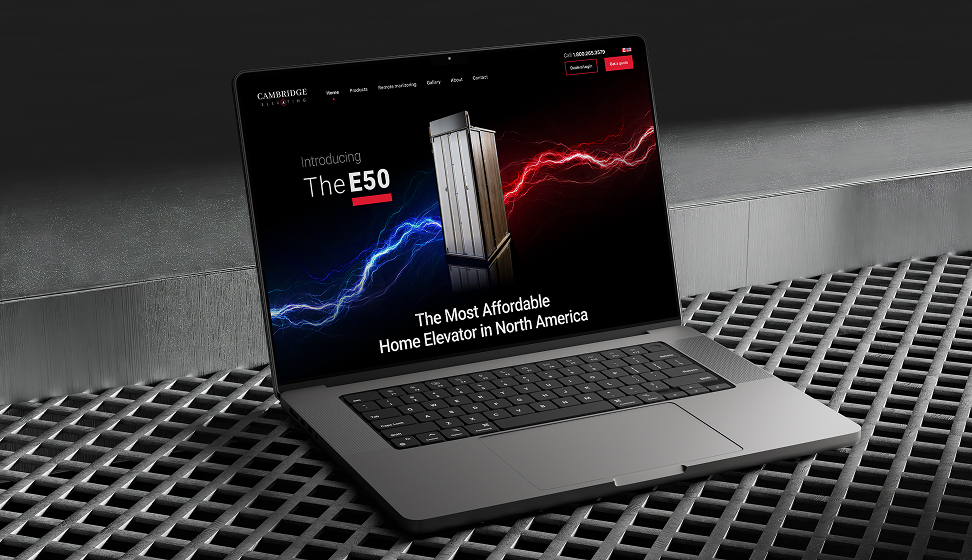
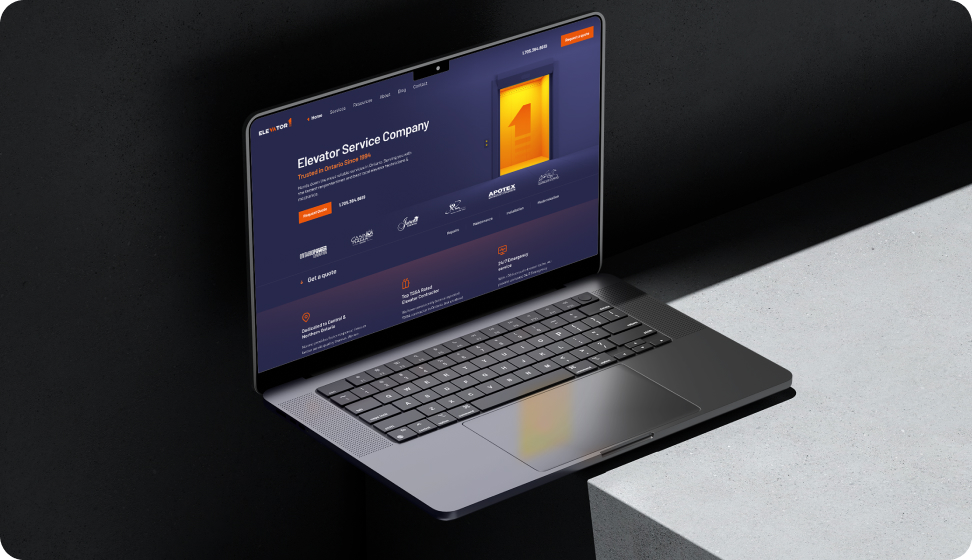
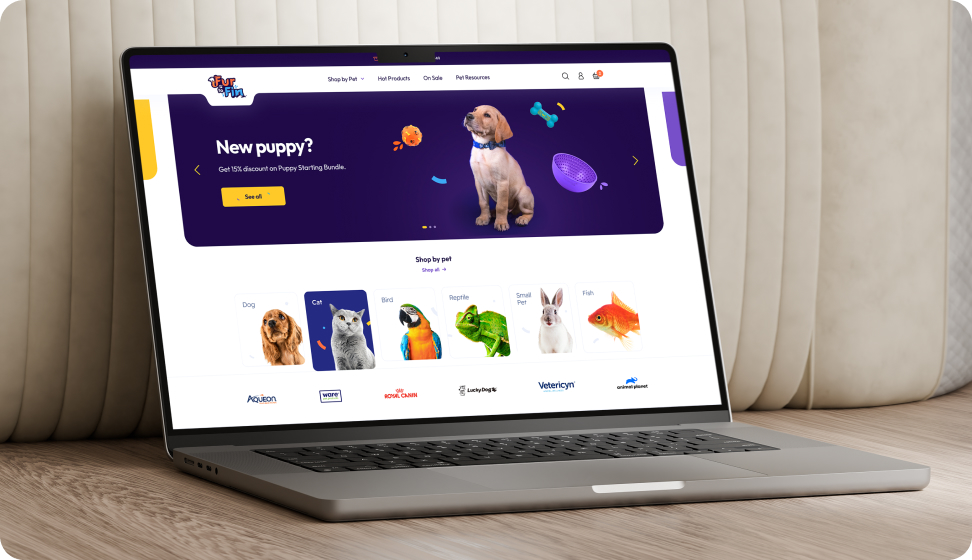





Why Choose Tastic Marketing
High-End Shopify Builds With a Competitive Edge
Choosing a Shopify partner is not just about design. It’s about who can build a storefront that performs under pressure, supports your marketing, and stays ahead as competition closes the gap. Tastic Marketing delivers premium Shopify design and development built for growth. Clean execution, high standards, and a storefront engineered to convert, not just look good in a portfolio.
We don’t ship bloated themes, duct-taped app stacks, or cookie-cutter builds. We build lean, high-performing Shopify storefronts with conversion strategy, scalable custom development, and long-term maintainability built in. The result is a Shopify website that looks premium, runs fast, scales cleanly, and keeps outperforming even as competitors try to imitate what works.


Bespoke Shopify Web Design & Development
Custom Shopify Websites
Tastic Marketing builds bespoke Shopify websites for businesses that demand a high-end premium storefront. These are not theme edits or recycled layouts. We design and develop custom Shopify experiences that elevate your brand, increase trust, and position you as the clear leader in your category.
Our custom Shopify development focuses on both appearance and performance. From premium UI and intuitive UX to clean theme engineering, custom sections, and scalable architecture, we build storefronts that load fast, convert higher, and support long-term growth. The result is a Shopify website that looks world-class, performs under pressure, and competes at the highest level.
Shopify CRO & A/B Testing
Conversion Rate Optimization Company for Shopify Websites
Shopify growth isn’t about changing button colours. It’s about systematically increasing conversion rate, AOV, and revenue per session while protecting margin and lowering CAC. Tastic Marketing provides CRO services for Shopify websites that improve the full buying experience, to optimize flow, trust, and checkout friction.
We pair sharp strategy with high-end execution. Every A/B test is built around a clear hypothesis and measured against real business outcomes. Over time, these iterations compound into a storefront that converts at a higher rate, produces higher cart values, and outperforms competitors who rely on generic templates and themes.

High-End Shopify Sites Design & Development Agency

Tastic Marketing is a Shopify website design and development company. We are trusted by small businesses and global enterprises because we do much more than launch a “nice” eCommerce website.

Integrity. Excellence. Care.
Start Your Project
Partner with our industry-leading web design and digital marketing expert to drive measurable growth and build high-converting solutions that put you ahead of the competition.


Great projects start with great strategy
We work with brands seeking a strategic and trusted partner that can provide competitive industry-leading solutions. To learn more, tell us about the problems you want solved.
"*" indicates required fields
Shine with Tastic
Stand out in a crowded market with marketing solutions that perform. We pair sharp strategy with premium execution to put your brand in front of the right people.
Shopify Website Design & Development Agency
Discover missed opportunities

Quick Jump
The Major Advantages of Shopify: Speed to Market, Operational Simplicity, and Ecosystem
Shopify gets pitched as the easy option, which is true and undersells what the platform actually does. The deeper reason Shopify wins for the businesses that choose it is that the platform handles the operational burden of running a store so the business can spend its energy on product, brand, marketing, and growth instead of on infrastructure. The choice isn’t between Shopify and a more capable platform. It’s between operating a commerce business and operating a commerce business plus a server, security, and platform-maintenance team you didn’t actually need.
Speed to Market
The window between deciding to launch and actually selling is shorter on Shopify than on any other serious commerce platform. The infrastructure exists. The payment processing works out of the box. The checkout is engineered. The themes and the app ecosystem cover a meaningful share of what most stores need on day one. The build phase that would take three to six months on a custom platform is compressed into weeks on Shopify, and the launch happens before the market window closes rather than after.
This matters more than buyers usually appreciate at the time the platform decision gets made. The cost of a six-month delay between “we’re ready to launch” and “the store is live” is enormous in fast-moving categories. Competitors ship while you’re still in build. Marketing campaigns get planned around a launch date that keeps slipping. The team stays focused on infrastructure work that doesn’t produce revenue. Shopify removes most of that delay because the operational foundation is already built. The work that remains is the work that actually differentiates your business: product, brand, content, conversion architecture, and the operational depth that produces a competitive store rather than a generic one.
Operational Simplicity
The infrastructure layer underneath a Shopify store is invisible to the merchant in ways that produce real operational value. There are no servers to provision. No security patches to apply. No SSL certificates to renew. No PCI compliance to manage at the infrastructure layer. No platform-version upgrades to plan around. No hosting decisions to make. No monitoring infrastructure to maintain. No backup strategy to design and test. No disaster recovery plan to maintain. Shopify handles all of it as part of the platform, with the kind of operational reliability that smaller teams can’t replicate at any cost.
The operational simplicity extends to the day-to-day reality of running the store. Payment processing handles fraud detection, chargebacks, and dispute resolution. Tax calculation handles the multi-jurisdictional complexity that breaks most custom commerce stacks. Shipping integration covers most major carriers natively. Inventory management synchronizes across sales channels without custom integration work. Customer accounts, order management, returns processing, and the dozens of other operational features that real stores need are all handled at the platform level rather than as custom development projects.
The economic case for this simplicity isn’t just the engineering cost saved. It’s the focus the team gets to maintain on the work that actually grows the business. A merchant on Shopify spends their attention on marketing, product, customer experience, and brand. A merchant on a self-managed platform spends meaningful attention on infrastructure, security, performance, and the operational maintenance that the platform absorbs entirely.
The Ecosystem
The Shopify ecosystem is the deepest in commerce, and the depth produces compounding advantages for merchants who build on it. The app marketplace covers nearly every operational requirement most stores will ever encounter, with mature, well-supported solutions across payments, fulfillment, marketing, customer service, analytics, B2B, subscriptions, and the dozens of other categories where stores need specialized functionality. The agency and freelancer ecosystem is mature enough that finding qualified help is easier than on any other platform. The integration ecosystem covers most major business systems your store will ever need to connect to. The educational and community resources are extensive enough that operational questions get answered quickly.
The ecosystem also produces network effects that matter more than most buyers recognize. Apps and integrations get built for Shopify first because Shopify has the largest installed base of merchants. Payment partners, fulfillment partners, and marketing partners all support Shopify because the merchant volume justifies the investment. New capabilities (agentic commerce, AI features, emerging payment methods, novel marketing channels) reach Shopify merchants earlier than merchants on smaller platforms because Shopify is where the ecosystem invests first. The platform compounds value over time as the ecosystem grows around it.
The honest framing is that the operational, infrastructure, and ecosystem advantages of Shopify produce real business value for the merchants who choose it. The platform isn’t the easy option because it’s underpowered. It’s the right option because the operational burden of running a serious commerce business is already handled, and the merchant gets to focus on the work that actually produces a competitive business.
Marketing-Led Shopify Builds: How Tastic Approaches the Work Differently
Most Shopify agencies are theme shops that have learned to use marketing buzzwords. The team installs a theme, configures it, customizes the visual layer, ships the store, and moves on to the next project. The marketing reality the store has to operate in (the SEO foundation, the conversion architecture, the paid advertising compatibility, the integration with the rest of the marketing stack, the AI search visibility) becomes someone else’s problem after launch.
Tastic is structurally different. We run real marketing programs every day for our clients across SEO, AIO, paid advertising, content, and brand. The marketing work informs how we build Shopify stores. The store work informs how we run marketing. Neither side is theoretical because both sides are operational at the same time, on the same team, on the same projects. The result is a Shopify build that’s engineered around the marketing reality your store actually has to perform in rather than configured against a generic specification.
The difference shows up everywhere on a project, but a few places stand out.
The technical SEO foundation gets built into the architecture rather than bolted on with apps. URL structure, internal linking, schema and structured data, page speed and Core Web Vitals, JavaScript rendering for search crawlers, content hierarchy, canonical handling, and the dozen other technical SEO decisions that determine search visibility all get the attention they need at the build stage. We’re the ones who’ll be running the SEO program against the store after launch, so the foundation gets built to support real ranking work rather than to look acceptable in a Lighthouse audit.
The conversion architecture gets engineered around real buyer behavior rather than around design preferences. Landing page structure, product page architecture, collection page logic, cart design, checkout flow, trust signals, social proof placement, and the dozen other decisions that determine whether visitors actually buy all get treated as marketing decisions rather than design decisions. The store launches with conversion rates we’d be willing to defend to a CFO because we understand what the marketing programs feeding the store actually need from it.
The paid advertising compatibility gets built in. Conversion tracking, custom audiences, dynamic product feeds, server-side tracking through Shopify’s customer events API, and the integration with Google Ads, Meta, and other paid platforms that determines whether paid programs can actually scale profitably. Most stores we audit are leaving meaningful percentages of paid performance on the table because the tracking and attribution layer was treated as an afterthought. We treat it as part of the build because we run paid programs against stores like this every day.
The content and editorial layer gets architected for marketing rather than just for storefront content. Blog architecture that actually supports SEO, content modeling that reflects how editorial teams actually work, integration with content marketing programs, and the structural support that lets the store function as both a storefront and a content marketing platform. Shopify’s content capabilities get under-used by most agencies because the agencies don’t run content programs. We do, which means we build with the content reality in mind.
The AI search visibility layer gets engineered into the build because we’re running AIO programs for clients across multiple categories and we know what AI systems look for when they evaluate stores for citation and recommendation. Shopify shipped Agentic Storefronts as a sales channel in 2026, with orders from AI searches growing 15x year over year. The stores that participate in this channel competently are ones whose product data, structured markup, and content layer were built with AI discovery in mind. Most agencies haven’t started thinking about this yet. We’ve been building it into projects because the future of ecommerce discovery runs through AI systems alongside traditional search.
The handoff to your in-house marketing team or to whichever agency runs your marketing programs is clean because we built the store to support how marketing actually runs rather than how marketing shows up in agency case studies. Most stores require months of remediation work after launch to make them performable for marketing teams. Ours don’t, because the marketing reality was the design constraint, not the afterthought.
The honest framing is that you’re choosing between a development shop that builds what you ask for and an agency that builds what your marketing programs will actually need. Both can produce a working Shopify store. Only one produces a store that compounds value across the marketing programs running against it for years after launch.
Custom Storefronts Beyond What the Standard Theme Layer Offers
The Shopify theme ecosystem is mature enough that most stores can launch on a configured theme and look acceptable. The buyer who lands on this page has usually outgrown that level of work. Theme configuration produces a store that looks like every other store on the same theme. Real differentiation, real conversion architecture, and real brand expression require engineering beyond what the theme editor can deliver, and the gap between configured Shopify and engineered Shopify is where the actual business value of the platform shows up for serious operations.
The standard theme layer in Shopify is built to be configurable. Sections, blocks, settings, and the theme editor exist so merchants can customize their stores without touching code. This works for the businesses the standard theme layer was designed for: stores that fit a common pattern, sell common products, target common audiences, and don’t have specific requirements that fall outside what the theme covers natively. The architecture starts to constrain when the business actually has differentiation to express, when the brand requires custom interaction patterns, when the conversion architecture has to support specific buyer behaviors, or when the store has to do something the theme designer didn’t anticipate.
Custom storefronts open the layer underneath. Custom theme architecture rebuilds the storefront around your specific business rather than around the assumptions baked into a marketplace theme. Custom Liquid development handles the logic, the data manipulation, and the conditional rendering that produces storefronts genuinely fitted to your products and your buyers. Custom sections and blocks extend the theme editor with the specific building blocks your team actually needs to merchandise effectively. Custom apps handle the functionality that doesn’t exist in the standard theme layer, with the tight integration into your storefront that off-the-shelf apps can’t match.
The technical depth here is where most Shopify agencies stop and where serious work begins. Custom Liquid is its own discipline. The templating language gives developers fine-grained control over how data renders, how performance behaves, how SEO foundations get built, and how the store actually functions at the page level. Real Liquid expertise produces storefronts that are dramatically faster, more flexible, and more capable than configured-theme equivalents. Most Shopify agencies operate at the surface of Liquid (configure the theme, edit some settings, hand it off). Engineering-led work goes deeper, building the storefront as a real software project rather than as a configuration exercise.
Custom sections and blocks extend the theme editor with reusable components designed around your specific merchandising and brand needs. The default Shopify theme structure gives you a fixed set of section types. A custom-built theme gives you whatever section types your business actually needs: hero variants engineered around how your buyers respond, product display patterns specific to your category, content blocks designed for the editorial work your team actually produces, conversion components engineered around your specific buyer journey. The team running the store gets a content management experience built around their work rather than around generic theme assumptions.
Custom storefront engineering also handles the integration layer that themes can’t reach. Server-side logic, API integrations, custom data flows between Shopify and your operational systems, custom checkout extensions, and the kind of engineering work that turns a storefront into a connected commerce node rather than a standalone storefront. The standard theme layer sits on top of this engineering. Real differentiation lives underneath it.
The brand and design dimension matters more than most agencies acknowledge. The visual identity, the typography choices, the interaction design, the motion language, the photography integration, the editorial layout, and the dozens of design decisions that produce a brand-led storefront all live above the theme architecture. Marketplace themes constrain what’s possible because the theme structure was designed for generic use cases. Custom storefront engineering gives the design team the foundation to actually execute the brand vision rather than fighting the theme’s defaults at every step.
The honest framing is that the theme marketplace is a starting point for businesses that don’t have specific requirements. Real businesses with real differentiation, real brand expression, and real operational depth eventually need engineering beyond what the standard theme layer offers. The agencies that can deliver this engineering are dramatically fewer than the agencies that can configure themes, which is why most Shopify stores quietly cap out at whatever the standard theme layer was designed to support. We build at the layer underneath, which is why our stores keep producing differentiated results long after the theme-configured competitors have hit their ceiling.
When Headless Shopify Is the Right Architecture
Headless Shopify is the architecture decision where the storefront and the commerce backend are decoupled, with Shopify handling the commerce engine (catalog, cart, checkout, payments, inventory, orders) while a custom frontend built on a modern JavaScript framework handles the customer-facing experience. The frontend talks to Shopify through APIs rather than running as a Liquid theme inside Shopify itself. This is a substantively different way to build a Shopify store, and it’s the right answer for some businesses and the wrong answer for others.
The conversation about headless gets pitched in the market in ways that don’t match the actual decision criteria. Agencies recommend it because it’s modern. Vendors recommend it because they sell the tooling. Buyers ask for it because they read about it. The honest framing is that headless Shopify is a real architectural commitment with real benefits and real costs, and the right answer depends on what your business is actually trying to do.
When Headless Is Genuinely the Right Call
Performance-critical use cases are the cleanest case. Liquid-based storefronts have performance ceilings imposed by the theme architecture, the rendering model, and the asset pipeline. A well-engineered Liquid theme can be fast. A well-engineered headless storefront on a modern framework can be dramatically faster, with sub-second load times, near-instant navigation, and the kind of perceived performance that meaningfully improves conversion in categories where speed matters. For brands where the storefront speed itself is part of the customer experience (premium fashion, luxury goods, design-led products, content-heavy commerce), headless produces real differentiation.
Custom interaction and animation requirements are another clean case. Modern brand-led storefronts increasingly use sophisticated animation, custom interaction patterns, dynamic content presentation, and the kind of frontend experience that’s awkward to build inside the Liquid theme system. Headless gives the design and engineering team total control over the frontend layer, with the full power of modern frontend frameworks to execute whatever the brand vision actually requires.
Multi-region and multi-brand operations benefit from headless architecturally. A single commerce backend serving multiple distinct frontends (different brands, different regions, different languages, different customer experiences) is dramatically cleaner on a headless stack than on the Liquid theme system. Each frontend can be customized independently, deployed independently, and evolved at its own pace, while the underlying commerce data and operational infrastructure stays unified.
Content-led commerce strategies fit headless particularly well. Operations where the editorial layer, the brand storytelling, and the commerce layer have to integrate cleanly often outgrow what Liquid themes can deliver. A headless frontend can pull content from a dedicated content management system (Sanity, Contentful, Storyblok, or similar) and commerce data from Shopify, with the frontend orchestrating the integration. The content team works in their CMS, the commerce team works in Shopify, and the customer experience integrates the two cleanly.
Mobile app and PWA requirements often point to headless. A storefront that needs to function as both a website and a mobile experience, or as a progressive web app with offline capability, or as the customer-facing layer of a broader connected experience, fits the headless model better than the Liquid theme model. The same backend powers multiple frontends, with each frontend optimized for its specific surface.
Custom logic and custom data requirements that go beyond what Shopify’s standard storefront supports are easier to handle in headless. Custom pricing logic, custom personalization, custom A/B testing infrastructure, custom data integration with external systems, and the kind of frontend-side intelligence that complex commerce operations sometimes need are all cleaner to build in headless because the frontend has full control over what gets rendered.
When Headless Is the Wrong Call
The cases where headless doesn’t make sense matter as much as the cases where it does. A typical store selling standard products to consumer buyers, with operational simplicity as a primary value driver, often gets less benefit from headless than the engineering investment costs. The Liquid theme system is mature, well-supported, and capable of producing excellent stores for the businesses it was designed for. Adding a headless layer adds engineering complexity, hosting considerations, deployment complexity, and ongoing maintenance burden that has to be justified by genuine business value rather than by the appeal of the architecture itself.
Stores where the team running the day-to-day operations isn’t technical enough to support a headless stack are often better served by Liquid themes. Headless requires real engineering involvement for ongoing changes, frontend updates, and content modifications that involve custom components. A merchant team that wants to make their own changes through the Shopify admin and the theme editor will struggle with a headless stack that requires developer involvement for most updates.
Stores where the operational priority is launching fast and iterating quickly often benefit from staying with Liquid themes during the early phase, then migrating to headless later if the business genuinely needs it. Building headless from day one adds time to launch and complexity to iteration. Many businesses are better served by getting a Liquid-based store live, learning from real customer behavior, and making the headless decision based on actual business needs rather than on speculation about future requirements.
The Honest Framing
We build headless Shopify stores when the project actually calls for it. We don’t recommend headless reflexively because it’s modern, and we don’t recommend against it because it’s complex. The decision is made based on the specific business situation: what the brand requires, what performance ceiling the business is hitting, what custom logic the storefront has to support, what the team running the store can actually maintain, and what the engineering budget supports. Done well, headless produces stores that genuinely outperform what Liquid can deliver in the use cases where it fits. Done badly, it produces engineering complexity that taxes the operation without producing proportional business value. The judgment is the work, and the agencies that consistently get this judgment right are the ones who’ve built both architectures often enough to know when each one is the right answer.
Hydrogen and Oxygen: Shopify’s React-Based Headless Stack at Real Depth
Hydrogen is Shopify’s React-based framework for building headless storefronts, and Oxygen is the hosting platform Shopify operates specifically for Hydrogen deployments. Together they form a first-party headless stack designed by Shopify for Shopify, and the combination has matured into a genuinely impressive architecture for businesses that need headless and want the cleanest possible integration with Shopify’s commerce engine. This section goes deep on what Hydrogen and Oxygen actually are, why the combination is meaningfully different from generic headless approaches, and how we build Hydrogen storefronts at the engineering depth the architecture deserves.
What Hydrogen Actually Is
Hydrogen is a React framework built on top of Remix (now part of React Router), specifically engineered for Shopify storefronts. The framework provides commerce primitives, optimized data fetching patterns, server-side rendering with streaming, and direct integration with Shopify’s Storefront API and Admin API. The engineering decisions baked into Hydrogen reflect Shopify’s commerce expertise: cart management, customer accounts, checkout integration, product data handling, and the dozens of other commerce-specific patterns are all handled by the framework rather than as custom engineering work the developer has to figure out independently.
The architecture is meaningfully different from generic React or Next.js storefronts that talk to Shopify through APIs. Hydrogen knows about Shopify. The framework’s data fetching is optimized for Shopify’s specific API patterns. The rendering model handles commerce-specific scenarios (cart updates, customer authentication, checkout transitions) cleanly. The component library includes commerce primitives that abstract the complex parts of building a storefront. The result is dramatically less custom engineering required to ship a working headless store, with better performance and cleaner code than what a generic headless approach would produce.
The framework went through a meaningful evolution in 2023 when it migrated from a custom React Server Components implementation to Remix, which made it dramatically more accessible to developers familiar with modern React patterns and produced a substantially more mature architecture. The Hydrogen 2.x releases through 2024 and 2025 added customer accounts, B2B support, advanced cart functionality, third-party CMS integration patterns, and the dozens of other capabilities that modern headless storefronts need. The framework as it exists in 2026 is genuinely production-grade for serious commerce operations.
What Oxygen Actually Is
Oxygen is Shopify’s hosting platform specifically engineered for Hydrogen storefronts. The infrastructure is global, runs at the edge, integrates directly with Shopify’s commerce backend, and handles the deployment, scaling, monitoring, and operational reality of running a headless storefront. The hosting decision matters more than buyers usually appreciate because it’s where the performance ceiling and operational simplicity of headless stores actually gets determined.
The performance characteristics of Oxygen are meaningfully different from what generic hosting produces. Edge deployment means the storefront serves from infrastructure geographically close to the customer, which produces dramatically lower latency than centralized hosting. The integration with Shopify’s commerce backend reduces the round-trip overhead that generic headless setups incur on every API call. The streaming server-side rendering produces faster perceived performance than client-side rendering or traditional server-side rendering. The cumulative effect is sub-second load times consistently, even for content-heavy storefronts in the categories where speed matters most.
The operational simplicity matters as much as the performance. Oxygen handles deployment, scaling, SSL, CDN, monitoring, error tracking, and the operational infrastructure that headless storefronts on generic hosting require teams to manage themselves. The deployment workflow integrates with Git, with previews on every pull request and one-click rollbacks if something breaks. The pricing is predictable rather than scaling with traffic in ways that punish growth. For businesses that chose Shopify partly because of the operational simplicity, Oxygen extends that simplicity to the headless layer.
The Hydrogen + Oxygen Stack at Production Depth
A Hydrogen storefront deployed on Oxygen produces a headless commerce experience that’s meaningfully more capable than what Liquid themes can deliver, with operational simplicity comparable to what Shopify’s traditional architecture provides. The combination removes most of the trade-offs that historically made headless a difficult call for businesses that valued Shopify’s operational reality. You get the performance, the design flexibility, the custom interaction depth, and the architectural clarity of headless without giving up the hosting simplicity, the integrated deployment workflow, or the tight Shopify integration that made the platform attractive in the first place.
The performance ceiling on a properly engineered Hydrogen storefront is dramatically higher than on Liquid themes. Sub-second initial loads. Near-instant navigation between pages. Streaming server-rendered content that appears progressively rather than blocking on the slowest data. Optimistic UI updates that respond to user actions before the network round-trip completes. The kind of frontend performance that produces real conversion improvements in the categories where speed matters, and real brand differentiation in the categories where the storefront experience is part of the product.
The customization depth is also dramatically higher. Every aspect of the frontend is custom React code rather than configured Liquid theme. The interaction design, the animation, the layout, the typography, the responsive behavior, the accessibility implementation, and every other aspect of the customer-facing experience is engineered specifically for the brand rather than constrained by what the theme architecture supports. For brands where the storefront is meant to communicate something specific about the business, Hydrogen produces a foundation that can actually carry that communication.
How We Build Hydrogen Storefronts
The engineering discipline matters as much as the framework choice. A Hydrogen storefront built badly produces the same problems as any other React project built badly: poor performance, hard to maintain, expensive to evolve, prone to bugs. A Hydrogen storefront built with real engineering discipline produces a storefront that performs at the highest level and stays maintainable over years.
The architecture decisions matter early. Component structure, data fetching patterns, state management, routing architecture, and the dozen other foundational decisions that shape what’s possible downstream all get the attention they deserve at the build stage. We’ve built Hydrogen projects across multiple categories and we know what architectural patterns produce maintainable codebases versus what patterns produce technical debt that compounds over months.
The data layer integration is where headless storefronts often go wrong. Generic headless approaches stitch together Shopify Storefront API queries, third-party CMS data, custom backend data, and external service integrations in ways that produce slow page loads and complex cache invalidation. We engineer the data layer with the performance and consistency requirements of the specific business in mind, using Hydrogen’s data fetching primitives, edge caching where appropriate, and custom server logic where the standard patterns don’t fit.
The CMS integration handles the editorial side of the storefront. Most serious Hydrogen storefronts integrate a dedicated content management system (Sanity, Contentful, Storyblok, Shopify Markets, or similar) for the content that doesn’t fit naturally in Shopify’s commerce data model. The integration architecture matters because the editorial team needs to be able to update content without involving developers, and the technical architecture has to handle content updates without breaking the performance characteristics of the storefront. We build the CMS integration with both sides in mind: the editorial workflow and the technical performance.
The customer account and B2B layer is where Hydrogen has matured significantly. Customer accounts on Hydrogen can handle login, registration, order history, address management, and the customer-facing features that headless storefronts traditionally struggled with. B2B support handles company accounts, multi-user organizations, custom pricing, and the operational requirements that B2B operations need. We build these layers with the specific business model in mind rather than installing generic patterns.
The checkout integration handles the transition from the headless storefront to Shopify’s checkout. The standard Hydrogen pattern hands off to Shopify’s hosted checkout when the customer commits to purchase, which produces a clean separation between the custom storefront experience and the optimized Shopify checkout. For Shopify Plus customers, the new checkout extensibility supports custom logic at the checkout layer that integrates with the Hydrogen storefront, producing a fully custom end-to-end experience without giving up Shopify’s checkout reliability.
The performance optimization layer is where the storefront earns its keep. Image optimization with Shopify’s image CDN, responsive image serving, font subsetting, JavaScript code splitting, route-based prefetching, edge caching policies, and the dozens of other optimization decisions that determine real-world performance all get explicit engineering attention. We measure performance throughout the build, optimize against real metrics rather than against checklists, and ship storefronts that hit the performance benchmarks that actually correlate with conversion in the customer’s category.
The accessibility implementation is where most agencies cut corners and we don’t. Real accessibility isn’t a checklist of ARIA attributes added at the end of a build. It’s an architectural commitment that runs through how components are built, how navigation works, how forms behave, how interactive elements respond to keyboard and screen readers, and how the storefront serves customers with assistive technology. We build with accessibility as a constraint throughout the engineering process rather than as a remediation phase at the end.
The AI and Agentic Commerce Integration on Hydrogen
The future of ecommerce running through AI systems lands particularly well on Hydrogen because the architecture is built around APIs and structured data, which is exactly what AI systems need to evaluate and interact with stores. We build Hydrogen storefronts with the structured data, the catalog architecture, and the API surface that makes the store discoverable to AI agents and compatible with the emerging agentic commerce protocols. Shopify’s UCP integration, the MCP server architecture, and the Agentic Storefronts sales channel all integrate cleanly with Hydrogen storefronts when the build is done with the agentic commerce era in mind.
This is increasingly relevant as AI-driven traffic grows. Shopify reported a 15x increase in orders from AI searches between January 2025 and January 2026, and the trajectory is steepening rather than flattening. The Hydrogen storefronts we build today are positioned to participate in this traffic cohort competently, with the structured data and API integration that lets AI systems actually find, evaluate, and recommend the products in the catalog.
When Hydrogen Is the Right Call
Hydrogen is the right call for businesses that have decided headless makes sense for their specific situation and want the cleanest possible integration with Shopify. The first-party tooling, the Oxygen hosting integration, the optimized data fetching patterns, and the commerce primitives baked into the framework produce dramatically less engineering work than building a generic headless storefront on Next.js or another framework. For businesses committed to Shopify and committed to headless, Hydrogen is the most direct path to a production-grade implementation.
For businesses that want headless flexibility without the Shopify-specific tooling, alternatives exist. Next.js with the Shopify Storefront API, Remix without the Hydrogen abstractions, Nuxt for Vue.js teams, and various other frameworks can all build headless Shopify storefronts. We’ve built across these as well, and the right framework depends on the specific business situation: the team’s existing expertise, the integration requirements, the deployment infrastructure, and the trade-offs the business is willing to make. The Hydrogen + Oxygen stack is increasingly the default recommendation because the trade-offs are dramatically more favorable than they were 18 months ago.
The honest framing is that headless Shopify on Hydrogen and Oxygen is a serious architectural commitment that produces real business value when it fits. Brands that need the performance, the customization depth, the operational simplicity that Oxygen provides, and the AI-readiness that the architecture supports are well-served by this stack. The agencies that can build at this depth are dramatically fewer than the agencies that build Liquid themes, which is why most Hydrogen projects in the market underperform what the architecture is actually capable of. We build at the engineering depth the stack deserves, with real attention to performance, accessibility, maintainability, and the long-term reality of operating a headless storefront over years.
Custom Checkout Extensibility on Shopify Plus
The checkout is the most leveraged part of any ecommerce store and the part Shopify historically locked down most tightly. Standard Shopify gives merchants almost no checkout customization beyond colors, logos, and a few configuration options. The reason Shopify enforced this lockdown is that the checkout had to work reliably across millions of stores, and giving every merchant the ability to modify it produced too many edge cases. Shopify Plus changes the equation. Plus merchants get access to checkout extensibility that opens up real engineering at the checkout layer, and the capabilities have matured significantly through 2024, 2025, and into 2026 to the point where Plus-level checkout customization is genuinely competitive with custom-built ecommerce platforms.
This section covers what’s actually possible at the Plus checkout layer, what the engineering depth produces in business outcomes, and why the work is worth doing properly rather than configuring it superficially.
What Plus Unlocks at the Checkout Layer
Checkout UI Extensions are the headline capability. Plus merchants can deploy custom UI extensions that inject functionality into specific zones of the checkout: the information step, the shipping step, the payment step, the review step, and the order status page after checkout completes. Each zone has well-defined extension points where custom logic can render UI, capture additional data, present offers, or modify the checkout behavior. The extensions run in a sandboxed environment that protects checkout reliability while still allowing meaningful customization.
The extension model is meaningfully different from the old script-based customization that pre-2024 Shopify Plus supported. Old checkout customization relied on Shopify Scripts, which ran in a Ruby sandbox, had limited capabilities, and produced a fragile customization layer that broke regularly with platform updates. The new extension model is built on web standards, runs in a sandboxed JavaScript environment with React or Preact, and produces customizations that are stable across platform updates. The migration from Scripts to Functions and Extensions is now substantially complete, and the new model supports dramatically more capability than the old one ever did.
Shopify Functions are the server-side companion to Checkout UI Extensions. Functions let merchants write custom logic that runs on Shopify’s infrastructure during checkout: discount calculation, shipping rate adjustment, payment method filtering, delivery option customization, and other server-side checkout logic. The combination of Functions for server-side logic and Extensions for client-side UI gives Plus merchants a complete custom checkout development model that produces production-grade results without compromising the reliability of Shopify’s underlying checkout engine.
Custom payment methods become possible through Shopify Plus checkout extensibility. The platform supports Manual Payment Methods, Custom Payment Methods, and the various integration patterns that let Plus merchants accept payment in ways the standard Shopify checkout doesn’t natively support. Net 30 invoicing for B2B customers. Purchase orders for procurement-heavy buyers. Wire transfer and ACH for larger transactions. Custom payment apps for industry-specific payment workflows. The architecture supports the full range of payment behavior real businesses need.
B2B checkout capabilities expanded dramatically through Plus’s B2B feature set. Company accounts, multi-user organizations, custom catalogs, customer-specific pricing, payment terms, purchase order capture, approval workflows, and the operational reality of B2B selling are all handled at the checkout layer through Plus-specific functionality. The B2B checkout experience can be customized to match how the buyer’s procurement process actually works, which produces conversion rates dramatically higher than forcing B2B buyers through a standard consumer checkout.
Post-Purchase Extensions
The order status page (the page customers see after completing checkout) is one of the highest-leverage real estate locations in ecommerce, and Plus checkout extensibility opens it up for serious engineering. Post-purchase extensions can present one-click upsells, subscription offers, account creation prompts, referral mechanics, custom thank-you experiences, and the various other post-purchase mechanics that produce real business outcomes. The buyer is in the highest-trust state they’ll be in during the entire customer relationship, and the engineering work here often produces the highest-ROI returns of any customization on the store.
The technical implementation matters because the post-purchase page is where most agencies get the engineering wrong. Charging additional products to an already-completed order, processing them through the original payment method, ensuring they ship together with the primary order, and handling the accounting and reporting cleanly all require real engineering attention. The off-the-shelf apps in this space cover the basics. Custom post-purchase engineering produces dramatically more sophisticated mechanics with better integration into the rest of the operation.
What Real Plus Checkout Engineering Looks Like
The work at this depth requires engineering discipline that most Shopify agencies don’t have. Custom Extension development requires real React engineering, including state management, performance considerations, accessibility implementation, and the kind of code quality that production checkouts demand. Custom Function development requires understanding Shopify’s Function infrastructure, the GraphQL schemas for each Function type, and the deployment and testing workflow that keeps Functions stable in production. Custom payment integration requires deep familiarity with Shopify’s payment infrastructure, the App Bridge architecture, and the security and compliance requirements that payment work always involves.
We build at this depth because checkout work is where the unit economics of the operation get engineered. The standard Shopify Plus checkout is excellent. The custom-engineered Shopify Plus checkout is dramatically better, with conversion rate improvements, average order value lifts, and post-purchase mechanics that compound over years. For Plus merchants who treat the checkout as configuration, the platform is performing well. For Plus merchants who treat the checkout as engineering, the platform is producing business outcomes that competitors on standard configurations can’t match.
The honest framing is that Shopify Plus checkout extensibility is one of the strongest reasons to be on Plus rather than standard Shopify. The capability is real, the engineering depth is meaningful, and the business outcomes from doing the work properly are substantial. Most Plus merchants are running standard checkouts because their agency doesn’t have the engineering depth to build custom ones. The merchants whose agencies do build at this depth produce stores whose unit economics keep improving as the engineering compounds over years
Conversion Rate Optimization on Shopify: CAC, LTV, Upsells, and the Cool Stuff
The checkout and conversion architecture on Shopify is the most leveraged part of the entire store. Hosted platforms have historically capped what’s possible at this layer, and Shopify enforced more lockdown than most. The combination of Shopify Functions, Checkout UI Extensions, post-purchase extensions, the customer events API, and the broader 2026 capability set has changed the equation. Shopify stores can now be engineered at a depth that produces dramatically better unit economics than configured-default equivalents, and the gap between “we built a Shopify store” and “we engineered a Shopify conversion machine” is where the actual business value of the platform lives for serious operations.
This section is the elaborate one. We’re going to work through the economics of why this work pays back, then through the specific capabilities that produce the payback across the entire customer journey from first impression to repeat purchase.
The Economics: How Shopify CRO Compounds Across CAC and LTV
Customer acquisition cost is the most unforgiving number in ecommerce. Every visitor reaching your store costs money: paid spend, content investment, sales effort, or the accumulated cost of brand building over years. The conversion rate at the storefront layer determines what percentage of those expensive visitors become customers, and even small movements at this stage produce dramatic effects on the unit economics of the entire operation.
A Shopify store converting at 2% with a $200 average order is producing one $200 order for every fifty visitors. The same store converting at 3% with the same $200 order is producing one $200 order for every thirty-three visitors. The 50% improvement in conversion rate cuts effective customer acquisition cost by a third, which means every paid campaign suddenly produces a third more customers at the same spend, every SEO ranking suddenly produces a third more revenue per ranking position, and every content investment suddenly produces a third more business outcomes per dollar invested. The compounding effect across an entire marketing operation is what turns CRO work from a tactical project into a strategic priority.
Lifetime value is where the math gets even more interesting on Shopify specifically. Shopify stores tend to have stronger repeat purchase mechanics than custom-built stores because the platform’s customer accounts, email integration, and post-purchase capabilities are mature. The leverage on Shopify is in the engineering work that activates these capabilities at depth. A customer who buys once at a $200 order is one type of business outcome. The same customer buying every two months for two years through a properly engineered subscription, repeat purchase, and loyalty system is a fundamentally different business outcome, often worth ten or more times the value of the initial purchase. The engineering work at the checkout, post-purchase, and customer experience layers determines whether the second purchase ever happens.
The combination of these two leverages, conversion rate at the storefront determining customer acquisition cost, and post-purchase mechanics determining lifetime value, is why Shopify CRO at engineering depth produces returns that don’t show up anywhere else in an ecommerce operation. A serious investment in this layer pays back inside the first quarter on conversion alone, and the LTV improvements compound for years afterward.
Pre-Purchase Conversion Architecture
The pre-purchase phase is where the average order value conversation usually starts and where the foundation of the conversion rate gets built. Done well, the architecture lifts both AOV and conversion. Done badly, the friction added to capture upsells costs more conversion than the upsells produce in incremental revenue.
Product page architecture on Shopify can be engineered at depth with custom sections, custom blocks, custom Liquid logic, and the kind of merchandising flexibility that goes beyond what theme configuration produces. Trust signals, social proof, reviews integration, video content, technical specifications, comparison tables, and the dozens of other elements that determine whether a buyer converts on the product page all get the engineering attention they deserve when the build is treated as serious CRO work. Most Shopify product pages we audit are running default theme structures that work for generic products and underperform for products that need real merchandising depth.
Collection pages are where most stores leave conversion on the table. The default Shopify collection page is a grid of products with basic filtering. Real engineering produces collection pages that merchandise the catalog actively: featured products at the top, dynamic sorting that responds to inventory and margin, smart filtering that matches how buyers actually shop, content blocks that educate and convert, and the kind of presentation that turns browsing into buying. The work matters because collection pages capture significant share of category traffic from Google, and the conversion rate on these pages determines whether SEO investment produces business outcomes.
Search and discovery on Shopify is where most stores have generic implementations with massive room for improvement. Custom search apps, AI-powered search, faceted navigation, autocomplete suggestions, and the kind of search experience that helps buyers find what they’re actually looking for produces meaningful conversion lift in stores with deep catalogs. The 2026 AI search integrations on Shopify (Magic-powered semantic search, Sidekick-suggested optimization, AI-driven product recommendations) extend what’s possible here in ways that weren’t viable 18 months ago.
Product page upsells engineered around real buyer behavior outperform generic “you might also like” widgets dramatically. A customer adding a high-end skincare product to their cart should see the matching cleanser, the relevant treatment, and the bundle that combines them as natural extensions of the primary purchase, not as random product suggestions. The recommendation logic should be specific to the product, the customer’s apparent intent, and the realistic complementary purchases that matter for that category.
In-cart cross-sells expand the basket before the buyer commits to checkout. A buyer with one item in their cart is in a different mindset than a buyer with three items. Smart cross-sell logic in the cart can lift basket size by adding items that genuinely fit the purchase context, particularly when the cross-sells are positioned as making the primary purchase more useful rather than as separate transactions.
Bundle and kit logic produces AOV improvements that simple upsells can’t match. A custom bundle builder lets buyers configure exactly what they want, with pricing that incentivizes larger configurations. The implementation uses Shopify’s product variant system, custom Liquid for the configurator UI, and Shopify Functions for the pricing logic. The result is a buying experience that’s more capable than off-the-shelf bundle apps and more performant because the engineering is specific to the business.
Free shipping thresholds are a basic upsell mechanic that most Shopify stores implement badly. A clear, prominent indicator showing buyers how close they are to qualifying for free shipping, paired with smart product recommendations that would push them over the threshold, lifts AOV consistently across most categories. Implementation through custom theme components produces better results than generic shipping bar apps.
Quantity-based pricing handles the buyer who’s considering buying more than one. Showing pricing tiers at the product level (one for $50, three for $135, six for $240) makes the multi-unit math obvious and lifts the average quantity per order significantly in categories where it applies. Implementation on Shopify uses product variants for the tiers, Functions for the discount logic, and custom theme components for the presentation.
Cart and Checkout Optimization
The cart is the highest-intent moment in the buyer journey. The buyer has selected products and is moving toward purchase. The work at this layer determines whether they actually complete the transaction.
Cart drawer engineering is where most Shopify stores have generic implementations. Custom cart drawers built into the theme architecture handle smart cross-sells, free shipping progress indicators, gift wrapping options, order notes, and the kind of cart experience that genuinely supports conversion rather than presenting a list of items and a checkout button. The engineering work is in the Liquid templating, the JavaScript for dynamic updates, and the AJAX cart APIs that handle the underlying interactions.
Checkout page customization on Shopify Plus uses Checkout UI Extensions to inject functionality into the checkout flow. Custom upsell offers at appropriate steps. Trust signals at moments where buyers hesitate. Custom field logic that captures the data the operation actually needs. Conditional payment method presentation based on cart contents or customer type. Custom shipping method presentation with explanatory copy that matches how buyers think about delivery. The work is real engineering, and the conversion lift on Plus stores that do it properly is dramatic.
Express checkouts are where mobile commerce wins or loses. Apple Pay, Google Pay, Shop Pay, PayPal Express, and the various other express checkout mechanisms reduce the friction of mobile purchasing dramatically. Implementation through Shopify’s standard checkout is good. Custom storefront engineering that surfaces express checkouts at the right moments throughout the buyer journey produces meaningful additional conversion lift, particularly on mobile traffic.
Buy now pay later integration is critical in categories where consideration costs slow purchases. Affirm, Klarna, Afterpay, and the various BNPL providers integrate with Shopify but the integration has to be done thoughtfully. Surfacing the BNPL option at the right moments, presenting payment math clearly, handling the messaging around eligibility, and integrating with the rest of the checkout flow all matter for the conversion impact this category produces.
One-Click Upsells and Order Bumps
Between the cart and the payment confirmation, there’s a window where the buyer has committed to purchasing but hasn’t completed the transaction. This window is the highest-conversion upsell moment in the entire ecommerce experience because the buyer is psychologically already in the buying mindset. Most Shopify agencies use generic upsell apps for this. Real engineering produces dramatically better results.
One-click upsells on Shopify Plus use Checkout UI Extensions to present offers at the checkout steps. The buyer sees a relevant upsell, accepts with a single click, and the additional product gets added to the order without the buyer having to re-enter payment details or restart the checkout flow. The conversion rates are dramatic, often 15% to 30% on well-targeted offers, and the incremental revenue is mostly margin because the customer acquisition cost has already been amortized against the primary purchase.
Order bumps on the checkout page itself, presented as a simple checkbox offering a complementary product at a discounted price, lift AOV consistently in categories where the bump product genuinely fits the primary purchase. Subscription clubs, digital add-ons, extended warranties, sample boxes, and consumable refills all work particularly well as order bumps. Implementation requires Plus checkout extensibility, the Function logic for the discount calculation, and the UI extension for the presentation.
Pre-purchase upsells on the cart page handle the buyer who hasn’t yet committed to checkout but is close. Smart logic that detects what’s in the cart and presents the most relevant cross-sells produces consistent AOV lift. The work is in the relevance engineering: showing genuinely useful complementary products rather than random “you might also like” suggestions.
Post-Purchase Upsells and the Order Status Page
The order status page (the page customers see after completing checkout, before receiving the confirmation email) is one of the most underutilized real estate locations in ecommerce. The buyer just completed a purchase. The transaction worked. They’re feeling good about the decision. Most Shopify stores use this page to display order numbers and shipping information. Real engineering uses it for genuine business outcomes.
Post-purchase upsells presented on the order status page can be processed as additions to the order that just completed, charged to the same payment method, and shipped in the same package. The conversion rates on these offers are dramatic, often higher than any other upsell mechanic in the funnel, because the buyer doesn’t have to re-enter payment details and the upsell genuinely saves them shipping costs and waiting time on a second order.
Subscription offers presented at the order status page convert significantly better than subscription offers presented anywhere else in the funnel. A buyer who just bought a consumable product is exactly the right buyer to offer a subscription option to. “Save 15% by setting this up to ship every 60 days” is a meaningful conversion mechanic that lifts subscription enrollment dramatically when done well, and Shopify’s subscription infrastructure handles the recurring billing cleanly.
Account creation prompts at the order status page recover most of the data marketing teams need without taxing the upstream conversion rate. The buyer has already completed their purchase, so creating an account is no longer a barrier to purchase. Offering a small incentive (“create an account to track this order and save 10% on your next purchase”) converts a meaningful share of guest checkouts into accounts that can be marketed to over the lifetime of the customer relationship. Shopify customer accounts have matured significantly through 2025 and 2026, with new account features that produce better customer experiences than the old guest-vs-account binary.
Referral mechanics presented at the order status page tap into the highest-trust moment in the customer journey. The buyer is genuinely happy, and asking them to share with friends or to enter their email for a referral discount produces meaningfully higher conversion than the same ask delivered later in the relationship.
Subscription Logic and Recurring Revenue Mechanics
Subscription commerce is where the LTV math gets dramatic on Shopify. The platform’s subscription infrastructure has matured significantly, with Shopify-native subscriptions, third-party apps like Recharge and Bold Subscriptions, and the broader subscription ecosystem all producing capable platforms. The engineering work is in matching the subscription mechanics to the specific business model and product economics.
Subscription enrollment mechanics matter more than the subscription itself. The offer presentation, the perceived value, the flexibility communicated, and the friction reduction in signing up all determine whether buyers convert into subscribers. Engineering at this layer produces enrollment rates that dramatically outperform generic implementations.
Subscription retention mechanics matter even more than enrollment because customers cancel when the subscription becomes friction or stops feeling valuable. Engineering the subscription experience to reduce both is the real work. Skip-month functionality, easy modification, transparent management, swap and pause options, and the kind of customer experience that makes the subscription feel like an asset rather than a recurring charge produce churn rates dramatically below industry baselines.
Subscription upsells and cross-sells operate inside the subscription relationship. The buyer who’s already a subscriber is uniquely well-positioned to be sold complementary products, premium tiers, or larger commitments. Engineering this layer of the subscription experience produces meaningful LTV expansion within an existing customer base.
Abandonment Recovery That Actually Recovers
Cart abandonment is the largest single category of lost revenue in most ecommerce operations. Shopify’s standard abandoned cart email recovers a fraction of what real recovery engineering produces.
Real abandonment recovery starts at the cart and checkout level rather than after the abandonment. Exit intent detection that triggers when buyers move toward closing the tab. Smart re-engagement offers that match the value the buyer was about to leave on the table. Friction analysis that identifies which step of the checkout buyers are abandoning at and engineers fixes for those specific drop-off points.
When abandonment does happen, the recovery sequence matters more than the recovery email. A multi-step recovery flow that combines email through Shopify Email or Klaviyo, SMS for buyers who opted in through Shopify SMS or Postscript, retargeting via paid platforms with the abandoned products, and personalized offers based on the cart contents recovers significantly more revenue than a single follow-up email. The economic case for the engineering work is straightforward. A 5% improvement in abandonment recovery on a store doing $500,000 in monthly revenue with 70% abandonment is worth roughly $17,500 a month in incremental revenue, which compounds to over $200,000 a year in revenue that was already paid for in customer acquisition cost.
Loyalty, Referral, and Repeat Purchase Mechanics
The mechanics that turn first-time buyers into repeat customers are where the LTV math gets compounded over years. Loyalty programs that genuinely incentivize the behavior you want produce meaningful improvements in customer behavior when they’re engineered well. Generic point-based loyalty programs assembled from off-the-shelf apps produce minimal results because they don’t fit the specific economics or buyer behavior of the business.
Shopify’s loyalty ecosystem is mature, with apps like Smile, Yotpo, and Loyalty Lion covering the standard implementations. Real differentiation comes from engineering custom loyalty mechanics that fit the specific business: tiered programs that reward longer commitment, experiential rewards that build emotional connection beyond transactional value, surprise-and-delight mechanics that produce customer enthusiasm, and the kind of program that genuinely changes how customers feel about the brand rather than just how often they buy.
Referral mechanics that incentivize the right referrers, capture the right data, attribute the right revenue, and pay out the right rewards lift acquisition costs meaningfully when they fit the business model. Shopify integrates with referral platforms like Refersion, ReferralCandy, and Friendbuy. The implementation has to handle the edge cases cleanly, which is where off-the-shelf solutions usually break down.
Repeat purchase mechanics targeted at the post-purchase window can include automatic reorder reminders for consumable products, replenishment programs that ship reorders without manual reconfirmation, anniversary campaigns that re-engage customers at meaningful intervals, and the kind of customer experience that makes the next purchase feel inevitable rather than uncertain.
What This Looks Like When It’s All Working Together
The custom CRO layer at full depth is where every mechanic above is integrated into a single, coherent customer experience. Pre-purchase conversion architecture lifts the rate at which storefront visitors become buyers. The cart and checkout are engineered around the specific buyer reality rather than configured against defaults. One-click upsells and order bumps maximize the value of every committed purchase. Post-purchase mechanics initiate long-term customer relationships. Subscription logic creates recurring revenue. Abandonment recovery captures what would otherwise be lost. Loyalty and referral mechanics compound the value of every customer relationship over years.
The math at this depth changes the unit economics of the entire operation. Customer acquisition cost drops because conversion rates are higher across every channel. Average order value rises because the upsell and cross-sell mechanics are working at every stage. Lifetime value rises because the post-purchase relationship is engineered for repeat business. The ROAS on paid programs improves dramatically because every committed click produces meaningfully more revenue than it would on a default checkout. The SEO traffic that was already arriving converts at higher rates. The content and email programs producing repeat visits convert at higher rates. The referral mechanics multiply the value of every happy customer into additional acquisition.
This is the work most Shopify operations are leaving on the table. Standard configurations cap what’s possible without ever explicitly saying so. App-based implementations cover the surface and produce a fraction of what custom engineering produces. Real engineering at this depth produces stores where the unit economics get progressively better as the engineering investment compounds, and the businesses that commit to this layer end up with operations that quietly outperform competitors at the same marketing spend, with the same products, in the same categories.
The honest framing is that Shopify’s CRO ceiling is much higher than most agencies operate at. The platform supports real engineering at the conversion layer, particularly on Plus, particularly with the 2026 capability set, and particularly when the agency building the store has the engineering depth to actually deploy these capabilities. The buyers who commit to this layer with the right engineering partner are the ones whose Shopify operations produce unit economics that competitors quietly can’t match.
Tracking, Analytics, and Reporting Engineered Into the Build
The measurement layer underneath a Shopify store determines whether the business actually understands what’s working and whether the marketing programs feeding the store can optimize against real outcomes. Most Shopify stores we audit have basic Google Analytics installed, the standard Shopify reporting dashboard, and a Meta Pixel from years ago that still fires but no longer captures what it was designed to capture. The measurement infrastructure has degraded as privacy restrictions have tightened, attribution has shifted toward server-side, AI agents have started transacting alongside humans, and the standard tracking setup has stopped reflecting what’s actually happening.
Real measurement infrastructure on Shopify in 2026 is engineering work, not a Google Tag Manager configuration. The work matters because the business decisions downstream depend entirely on the data being right, and the gap between a store with proper measurement and a store with a default Pixel install is where most marketing optimization quietly breaks.
The Measurement Layer at Engineering Depth
Server-side tracking is the foundation that everything else builds on. Shopify’s customer events API and the broader server-side tracking ecosystem have matured significantly through 2025 and 2026, with the platform now supporting sophisticated event tracking that survives browser privacy restrictions, ad blockers, and the cookie deprecation that broke client-side tracking on most stores. We deploy server-side tracking through the customer events API, with custom events tied to real business actions, server-generated client IDs that persist across sessions, and the kind of measurement architecture that captures what’s actually happening rather than what the browser allows the Pixel to see.
The data layer architecture matters more than most agencies appreciate. A Shopify store generates dozens of events per session that could be tracked: product views, add-to-cart actions, checkout step transitions, payment method selections, custom event triggers, and the dozens of other interactions that determine the buyer journey. Real measurement engineering captures the events that matter for the specific business, with the data structure that supports the analysis the team actually needs to do, rather than firing whatever the default Pixel decides is important.
Conversion tracking that closes the loop with paid platforms is where most Shopify stores leak performance. Conversion data flowing back to Google Ads, Meta, LinkedIn, TikTok, and other paid platforms is what makes those platforms’ machine learning systems actually optimize for your business outcomes rather than for whatever click-level metrics they default to. Most paid programs we audit are running on incomplete conversion data, which means the platforms are optimizing toward something that isn’t quite what the business actually needs. We engineer the closed-loop conversion tracking with server-side events, hashed customer matching, and the kind of integration that genuinely improves paid program performance over months.
Attribution modeling that reflects real buyer behavior matters as much as the tracking itself. Last-click attribution misrepresents what’s actually working. First-click attribution misrepresents the inverse. Multi-touch attribution requires real engineering because the standard tools only do as good a job as the data flowing into them. We build attribution infrastructure that captures the full buyer journey across paid, organic, content, email, and the various touchpoints that produce purchases, with the kind of measurement model that supports real decisions about marketing budget allocation.
The 2026 Reality: Agent Traffic Distorts Standard Tracking
The agentic commerce shift introduced a new measurement problem that most Shopify stores haven’t addressed. AI agents transacting on behalf of customers (through Shopify’s Agentic Storefronts sales channel, through the Universal Commerce Protocol, through Stripe’s Agentic Commerce Suite, through ChatGPT’s Instant Checkout, and through the various other agent-driven purchase paths) produce orders that look the same as human-driven orders in standard tracking but represent a fundamentally different cohort. Agent traffic converts at 15 to 30 percent compared to the 2 to 3 percent baseline for human traffic. Mixing them in the same conversion event distorts the bidding algorithms, the audience lists, and the lifetime value calculations the marketing operation depends on.
We engineer measurement infrastructure that distinguishes agent-origin orders from human-origin orders, with separate conversion actions for each cohort, server-side tagging that identifies the order source, and reporting that lets the business analyze each segment independently. The work is real engineering and most stores haven’t done it yet, which is why their marketing performance data has been quietly contaminating since the agentic commerce era began.
Reporting and BI Integration
The reporting layer is where most Shopify stores stop investing. Standard Shopify Analytics gives merchants surface-level views of revenue, traffic, and conversion. Real businesses need reporting that aggregates data across the store, the marketing platforms, the email programs, the paid channels, the customer service operations, and the operational systems into views that match how the business actually thinks about performance.
We build custom reporting infrastructure with integration into the BI tools the business actually uses. Looker, Tableau, Power BI, Hex, Mode, and the various platforms that serious data teams build dashboards on. The integration runs through Shopify’s APIs, the data warehouses the business already operates (Snowflake, BigQuery, Redshift), and the ETL infrastructure that keeps data flowing reliably between systems. The result is reporting that supports real business decisions rather than reporting that looks impressive in a Shopify admin tab.
Custom dashboards built around the specific business model produce dramatically more useful views than generic ecommerce reporting. Cohort analysis that tracks customer behavior over time. Channel performance reporting that compares paid, organic, content, email, and direct on the metrics that actually matter. Product-level profitability that integrates margin, return rates, fulfillment cost, and customer service load. Subscription health metrics for stores running subscription programs. The reporting infrastructure becomes a strategic asset rather than an operational tool.
The honest framing is that the measurement layer underneath a Shopify store determines whether the business actually understands what’s working. The default tracking that ships with Shopify is acceptable for hobby stores. Real businesses need real measurement engineering, with server-side tracking, closed-loop conversion data, agent-aware attribution, and reporting infrastructure that supports the decisions the business actually has to make. We build at this depth because the marketing programs we run depend on the data being right, and the stores we hand off to internal teams or partner agencies inherit measurement infrastructure that produces compounding intelligence rather than data that quietly misleads the operation.
Shopify Built for SEO and AI Search Visibility
The visibility your Shopify store earns across Google Search, AI Search, and the various discovery surfaces that drive ecommerce traffic is determined at the engineering layer. SEO and AIO are not features to add to a finished store. They are architectural commitments that get built into the store from the foundation up, with the technical, content, and structural decisions that determine whether the store actually ranks and gets cited or whether it operates beneath the visibility threshold its competitors are clearing.
Most Shopify stores we audit are technically capable of ranking and quietly underperform because the SEO foundation got treated as a checklist of plugins installed at launch rather than as an engineering discipline that runs through every decision in the build. The work matters because organic visibility is the highest-margin traffic source most stores have access to, and the gap between a store engineered for SEO and a store with a generic theme is where most ecommerce operations lose what should be their most profitable channel.
The Technical SEO Foundation Underneath a Real Shopify Build
URL architecture is where the SEO foundation starts. Shopify’s default URL structure is acceptable for stores with simple catalogs and rapidly becomes a constraint as the catalog gets serious. We engineer URL structure with the long-term SEO requirements in mind: canonical handling that resolves duplicate content correctly across collections and product variants, redirect logic that protects authority through site evolution, internal linking architecture that distributes ranking signals strategically, and the kind of URL discipline that supports rather than undermines the broader SEO program.
Schema and structured data is where AI and search systems extract meaning from the store. Product schema, organization schema, breadcrumb schema, review schema, FAQ schema, and the various other structured data types that signal context to crawlers all need to be implemented correctly and updated as the standards evolve. The Shopify ecosystem includes apps that handle this surface-level. Real engineering goes deeper, with custom schema for the specific product types, comprehensive coverage across the catalog, integration with the review and rating systems, and the kind of structured data implementation that AI systems actually use for citation and recommendation.
Page speed and Core Web Vitals matter as ranking factors and as conversion factors simultaneously. Shopify stores can be fast when the engineering discipline is applied. Lighthouse scores in the 90s, sub-second initial loads, and Core Web Vitals that pass on every page rather than on the homepage only. The work involves Liquid optimization, asset pipeline discipline, third-party app discipline (every app added to a Shopify store loads code on requests), image optimization with Shopify’s image CDN, font subsetting, JavaScript code splitting, and the dozens of other optimization decisions that determine real-world performance.
JavaScript rendering for search crawlers is where most Shopify stores quietly underperform. Modern Shopify themes use significant JavaScript for interactivity, dynamic content, and modern UX patterns. Search crawlers and AI systems handle JavaScript-rendered content with varying reliability. We engineer the JavaScript layer with crawler accessibility in mind, ensuring critical content renders server-side, structured data is available without JavaScript execution, and the store performs equivalently for human visitors and crawler visitors.
Internal linking architecture is where SEO authority gets distributed across the store. The default theme link structure handles the basics. Real engineering builds intentional internal linking patterns: contextual links from content to relevant products, related product networks that distribute authority across collections, breadcrumb structures that signal hierarchy correctly, and the kind of internal architecture that compounds organic performance over months. We build the linking strategy as part of the project rather than leaving it to whatever the theme defaults to.
Content Architecture and the Editorial Layer
The content layer matters as much as the technical foundation, because content is what actually ranks and gets cited. Shopify’s content capabilities (blog, pages, metafields, custom content types) are mature enough to support serious content marketing operations when the architecture is built for it. Most stores have generic implementations that don’t.
Blog architecture engineered for SEO and AIO produces content that ranks rather than content that exists. The work is in the structure: category architecture that supports topical authority, content modeling that lets editorial teams produce at scale, internal linking patterns that connect blog content to commerce content, and the kind of structural discipline that compounds organic performance as the content library grows. We’ve built content marketing programs across multiple categories and we know what architectural patterns produce ranking content versus what patterns produce content that quietly underperforms.
Content for AI search visibility is meaningfully different from content for traditional search. AI systems extract passages, evaluate authority signals, and cite sources in ways that traditional search ranking didn’t reward as directly. The content has to be structured for extraction (clear answers, scannable formatting, definitive statements), authoritative in the way AI systems evaluate authority (real expertise, substantive depth, citable claims), and discoverable to AI crawlers (proper structured data, accessible markup, clean rendering). We build content with both surfaces in mind because the future of search visibility runs through both AI and traditional systems.
Product page content is where most ecommerce SEO actually lives, and where most Shopify stores have generic implementations. Real product page content is engineered around the buyer questions, the technical depth, the comparative context, and the editorial quality that produces rankings on commercial intent searches. The work involves substantive descriptions, technical specifications, video and rich media, customer review integration, FAQ content, related content from the blog, and the kind of product page architecture that competes seriously for category-level traffic.
Collection page content is where most stores leave organic traffic on the table. The default Shopify collection page is a grid of products with no real content. Real engineering produces collection pages that compete for category-level commercial searches: introductory content that establishes expertise, buying guide content that answers buyer questions, related content from the blog, and the kind of collection page architecture that captures category traffic rather than ceding it to content sites.
AI Search Visibility on Shopify
The 2026 reality is that AI search is a meaningful traffic source rather than a future possibility. ChatGPT search, Perplexity, Microsoft Copilot, Google’s AI Overviews, and the various other AI-driven discovery surfaces are sending real traffic to ecommerce stores. The stores that participate competently are seeing meaningful share of category traffic flow through AI surfaces. The stores that don’t are losing visibility quietly as buyer behavior shifts.
Shopify shipped Agentic Storefronts as a sales channel in 2026, with orders from AI searches reportedly growing 15x year over year. The capability lets product catalogs appear in AI assistants like ChatGPT, Perplexity, and Microsoft Copilot, with the Universal Commerce Protocol (which Shopify co-developed with Google and ships as a founding partner) handling the catalog syndication and the agentic checkout flow. The stores that activate this capability, structure their product data correctly, and engineer their content for AI visibility are accessing a meaningfully different traffic cohort than stores that only serve traditional search.
The engineering work to participate competently includes activating Agentic Storefronts in the Shopify admin, structuring product data for AI consumption (clean attributes, comprehensive variants, accurate inventory, real images, substantive descriptions), implementing the structured data that AI systems use for evaluation, building content that gets cited rather than content that ranks superficially, and integrating with the broader AI search ecosystem through Shopify’s UCP support and MCP server infrastructure.
We build with this layer in mind because the future of ecommerce discovery runs through AI systems alongside traditional search, and the stores positioned to capture this traffic are the stores whose engineering foundation supports it. The agencies that haven’t started thinking about this yet are quietly building stores that will be invisible in the channels their buyers are increasingly using.
Marketing Operations Integration
The SEO and AIO foundation only produces business outcomes if the marketing operations running against the store can actually feed it. We integrate the SEO and content infrastructure with the marketing programs from day one: keyword research integrated with product and content planning, content calendars that produce ranking content rather than random posts, link building infrastructure that builds authority over months, and the kind of marketing operations integration that turns the SEO foundation into compounding organic performance.
The handoff to your in-house team or to whichever agency runs your SEO is clean because we build the foundation with the operational reality in mind. Most SEO programs we inherit on Shopify stores spend the first six months doing remediation work because the previous build didn’t engineer the foundation properly. The stores we build don’t require remediation, which means the SEO program produces results from the first month rather than from the seventh.
The honest framing is that SEO and AI search visibility on Shopify is engineering work that has to be built into the foundation rather than added after launch. The platform is capable of ranking and getting cited at the highest level when the technical, content, and structural decisions are made correctly. Most stores quietly underperform because those decisions weren’t made with serious SEO in mind. The buyers who commit to a Shopify build with the right engineering partner end up with stores that compete seriously for organic and AI search traffic, with the kind of compounding visibility that produces revenue without proportional ongoing spend.
The Future of Shopify With AI: Magic, Sidekick, UCP, and Agentic Commerce
The story most agencies are telling about AI and ecommerce is generic. Chatbots, product recommendations, dynamic pricing, the same talking points repeated across every platform. The actual story for Shopify specifically is more interesting and more consequential, because Shopify has positioned itself as one of the reference platforms for the agentic commerce era and has shipped substantively more AI capability than most merchants are aware of.
The shift that matters is happening at multiple layers simultaneously. Internal AI tools that change how merchants run their stores. External AI surfaces that change where customers discover products. Protocol-layer infrastructure that determines which platforms participate in agent-driven commerce. Shopify is investing heavily across all three layers, and the merchants committing to Shopify in 2026 are committing to a platform that’s substantively different from what Shopify was 18 months ago.
What’s Already Shipped: Shopify Magic and Sidekick
Shopify Magic is the suite of AI-powered features integrated across the Shopify admin, available free on every plan. The capability set has expanded dramatically since Magic launched in 2023, with the Winter 2026 “Renaissance Edition” alone shipping over 150 product updates, almost all AI-focused. Product description generation, image background editing, email subject line optimization, content generation, brand voice cloning from existing content, automated product tagging, SEO metadata generation, and dozens of other capabilities are now native to the platform.
Sidekick is Shopify’s conversational AI assistant, launched in January 2025 and substantially upgraded throughout 2025 and 2026. The 2026 version handles natural language theme editing (telling Sidekick to “make the hero section background darker” produces actual theme changes), customer segment creation, marketing campaign setup, Shopify Flow automation building, and complex multi-step operations that previously required agency involvement. Sidekick Pulse, the proactive monitoring layer added in 2026, watches store performance in real time and surfaces insights without merchants having to ask: “I noticed a 5% drop in conversion on mobile. I’ve already optimized the checkout block for you. Want to approve?”
The honest assessment of these tools matters. Magic and Sidekick are genuinely useful when used correctly, particularly for content generation, data analysis, and routine operational tasks. They have real limitations for complex design work, custom development, and the strategic decisions where engineering judgment matters more than AI generation. The merchants getting the most out of them treat them as accelerators for specific workflows rather than replacements for engineering and design depth. We integrate Magic and Sidekick into the operational reality of stores we build, with the workflows that actually save time and the boundaries that prevent the tools from being used where they shouldn’t be.
The External AI Surface: Agentic Storefronts and AI-Driven Discovery
The shift on the customer-facing side is more consequential than the operational side. AI-driven discovery is becoming a meaningful traffic source rather than a future possibility. Shopify reported that orders from AI searches grew 15x between January 2025 and January 2026, with AI-driven traffic showing higher average order values than direct traffic. The trajectory is steepening rather than flattening.
Shopify shipped Agentic Storefronts as a sales channel in 2026, which lets product catalogs appear in AI assistants like ChatGPT, Perplexity, and Microsoft Copilot. Customers using these AI assistants can discover products from your catalog in conversational interfaces, evaluate options against their stated needs, and complete purchases directly through the AI experience without ever loading the traditional Shopify storefront. The customer journey runs through the AI rather than through the store, and the merchants whose catalogs are properly structured for AI discovery capture this traffic while merchants whose catalogs aren’t structured for it remain invisible.
The engineering work to participate competently includes activating Agentic Storefronts in the Shopify admin, structuring product data correctly for AI consumption (clean attributes, comprehensive variants, accurate inventory, real images, substantive descriptions, structured data that AI systems can extract reliably), implementing schema and structured data that AI systems use for evaluation, and building product content that gets cited rather than content that ranks superficially in traditional search. We build with this in mind because the future of ecommerce discovery runs through AI systems alongside traditional search, and the stores positioned to capture this traffic are the stores whose engineering foundation supports it.
The Protocol Layer: UCP and the Agentic Commerce Standards
The infrastructure underneath agentic commerce is being built at the protocol layer, and Shopify has positioned itself as one of the key architects of this infrastructure. Universal Commerce Protocol (UCP) launched January 11, 2026, with Shopify and Stripe as founding partners, joined later that year by Amazon, Meta, Microsoft, Salesforce, Google, Etsy, Target, and Wayfair on the UCP Tech Council. The protocol covers the full agent shopping journey: discovery, cart, checkout, and post-purchase, with a unified standard that lets AI agents interact with merchants across platforms.
Shopify ships four official MCP (Model Context Protocol) servers, more than any other ecommerce platform. The servers cover Storefront operations, Admin operations, and the various agent integration points that let AI clients query and interact with Shopify stores. The infrastructure is mature enough that AI agents can already query Shopify catalogs, evaluate products against customer requirements, and execute transactions through the agentic commerce flow.
For merchants, the practical implication is that Shopify stores are positioned to participate in agentic commerce as it matures. The protocol layer is being built collaboratively across the major commerce platforms, payment processors, and AI providers. The capabilities are shipping in versions that are already deployed. The catalog syndication, the agent integration, the checkout protocol, and the various other layers that determine whether agent-driven traffic reaches your store are all things Shopify is investing in heavily, with merchant-facing capabilities arriving fast.
The Conversion Reality of Agent Traffic
The early data on agent-driven traffic produces a reality most operators haven’t internalized yet. Q1 2026 benchmarks show agent traffic converting at 15 to 30 percent compared to the 2 to 3 percent conversion baseline for human traffic. The economics make sense. An AI agent acting on behalf of a customer is pre-qualified, has clear intent, has the customer’s payment authorization, and isn’t browsing in the way humans browse. The agent finds what the customer asked for, evaluates options against the customer’s stated preferences, and executes the transaction. Stores that participate in agentic commerce are accessing a meaningfully different traffic cohort than stores that only serve human visitors.
This produces a measurement problem we covered in the previous section: mixing agent traffic with human traffic in the same conversion event distorts the bidding algorithms, the audience lists, and the lifetime value calculations the marketing operation depends on. We engineer measurement infrastructure that distinguishes the cohorts and reports them separately, which lets the business optimize each segment independently rather than treating them as a single homogeneous traffic source.
What Merchants Should Be Doing Now
The protocols are evolving rapidly and the right answer isn’t to wait for the dust to settle. The cost of waiting is the agent-origin order volume that exists today on already-active surfaces, which is growing month over month. The right answer is to build on a foundation that can adopt the protocols as they stabilize, with the engineering depth to handle the integration work as the ecosystem matures.
The capabilities we’re building into Shopify projects in 2026 include Agentic Storefronts activation and configuration, structured product data and catalog architecture that makes the store discoverable to AI agents, schema implementation that AI systems use for evaluation, MCP server configuration where the project requires custom AI integration, the tracking and attribution infrastructure that handles agent-origin orders distinctly from human-origin orders, and the broader engineering work that positions the store to participate in agentic commerce competently. The work is becoming part of standard builds rather than premium add-ons because the protocols are becoming standard infrastructure rather than experimental features.
The Internal Side at Real Operational Depth
The other half of the AI story is the operational side. Beyond Magic and Sidekick, the broader Shopify AI ecosystem is evolving fast. Custom apps built on top of Shopify’s AI infrastructure handle specific operational workflows. Third-party integrations connect Shopify data to external AI tools through MCP and the customer events API. The operational capabilities expanding through 2026 include AI-powered customer service that handles 70 to 85 percent of inquiries without human intervention, predictive inventory management that adjusts stock levels before demand spikes occur, AI-driven dynamic pricing that responds to real-time conditions, automated marketing campaign generation, and the various other operational AI capabilities that produce real time savings for store operators.
The pattern across all of these tools is the same. AI is most valuable when it’s integrated into the operational workflow rather than positioned as a standalone tool. We integrate AI capabilities into Shopify projects in ways that produce real time savings for the team running the store, with clear boundaries around what the AI handles autonomously and what requires human judgment. The stores we build use AI as an accelerator for specific operational tasks rather than as a replacement for the engineering and strategic depth that produces real business outcomes.
The Honest Framing
The future of Shopify with AI isn’t a marketing talking point. It’s an active platform shift happening at multiple layers simultaneously, supported by Shopify, Stripe, OpenAI, Google, Anthropic, Microsoft, and the broader ecosystem, with capabilities shipping in versions that are already deployed. Shopify is positioned to be one of the reference platforms for agentic commerce because the platform investments are being made at the protocol level, the infrastructure level, and the operational level simultaneously.
The buyer committing to Shopify today is committing to a platform that will be substantively different in two years, in ways that produce real business value rather than feature checklist additions. The buyer committing to a platform that hasn’t made these investments is committing to whatever that platform’s vendor decides to ship at whatever pace they decide to ship it.
We build with this trajectory in mind because we’re paying attention to the protocols, the capabilities, and the practical integration work as it ships. The stores we build today are positioned to participate in the agentic commerce ecosystem as it matures, with the engineering foundation that makes the integration work possible rather than a foundation that will need to be rebuilt to support the next era of ecommerce. The honest framing is that the merchants who choose Shopify in 2026 with the right engineering partner are the merchants who will look back in three years and recognize they made the right call at the right time.