
WooCommerce Web Design & Development Company
High-Converting WooCommerce Websites
Why WooCommerce Development for Websites?

Bespoke Web Design
Premium ecommerce web designs built to compete. Stunning UI, intuitive UX, and conversion-focused layouts that elevate your brand and increase sales.

Improve KPIs
We build and optimize WooCommerce stores to improve the metrics that matter. Higher conversion rate, higher AOV, lower CAC, and stronger ROAS through better UX.

Secure & Easy To Maintain
High-end WooCommerce builds with clean custom code. Faster performance, stronger security, easier maintenance, and a scalable foundation that grows with your business.

Advanced Integrations
WooCommerce built to connect with complex systems. ERPs, CRMs, shipping, automation, and custom workflows integrated cleanly and reliably.

Microsoft Business Central
Seamless Microsoft Dynamics 365 Business Central integration. Sync inventory, products, customers, and orders so operations stay accurate, fast, and scalable.

SEO & Competitive Marketing
We build premium WooCommerce stores with competitive lead generation as the foundation so you can scale your marketing efforts profitably and compete with the best.
Premium Website Design & Development
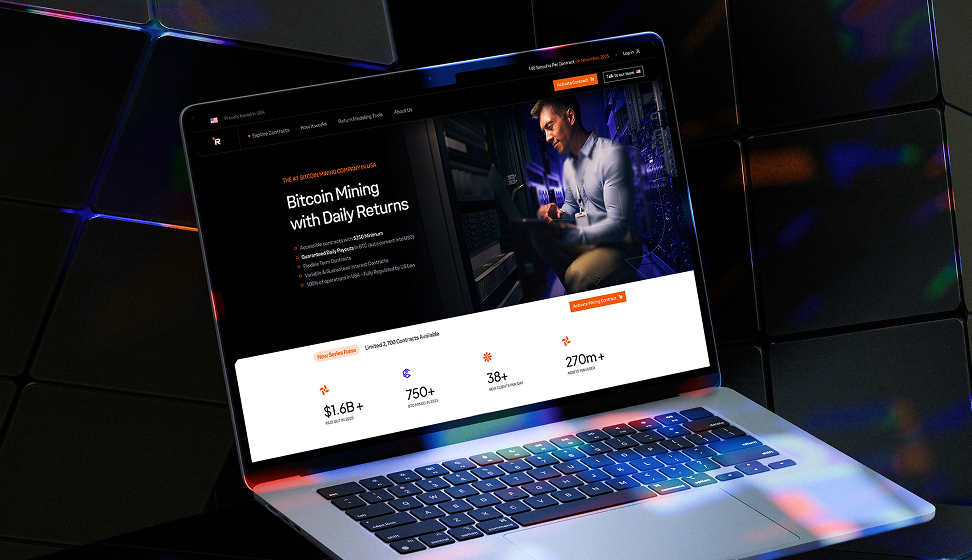

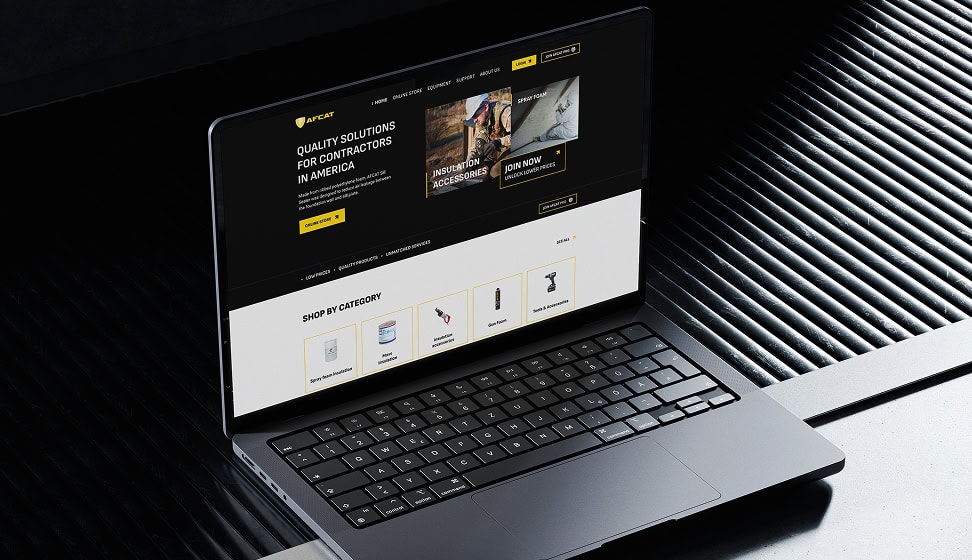

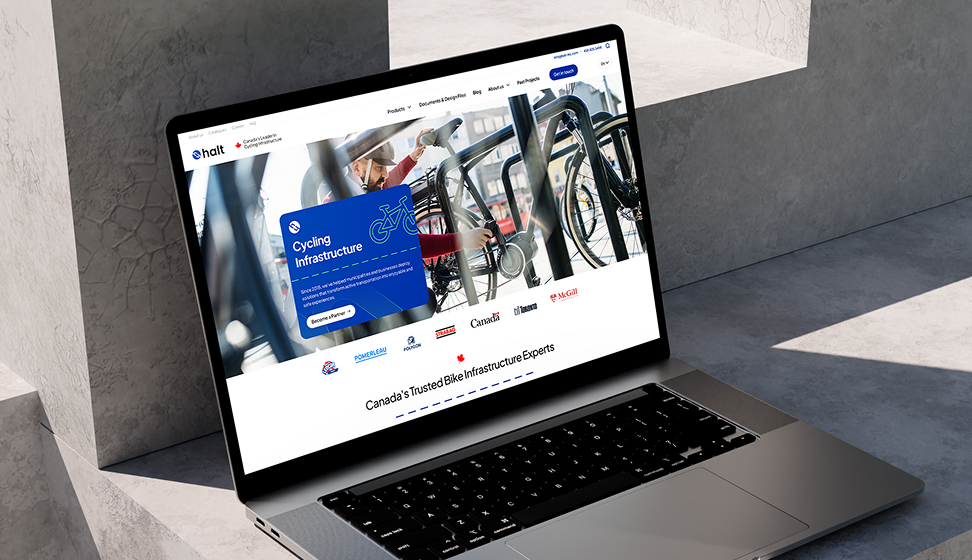
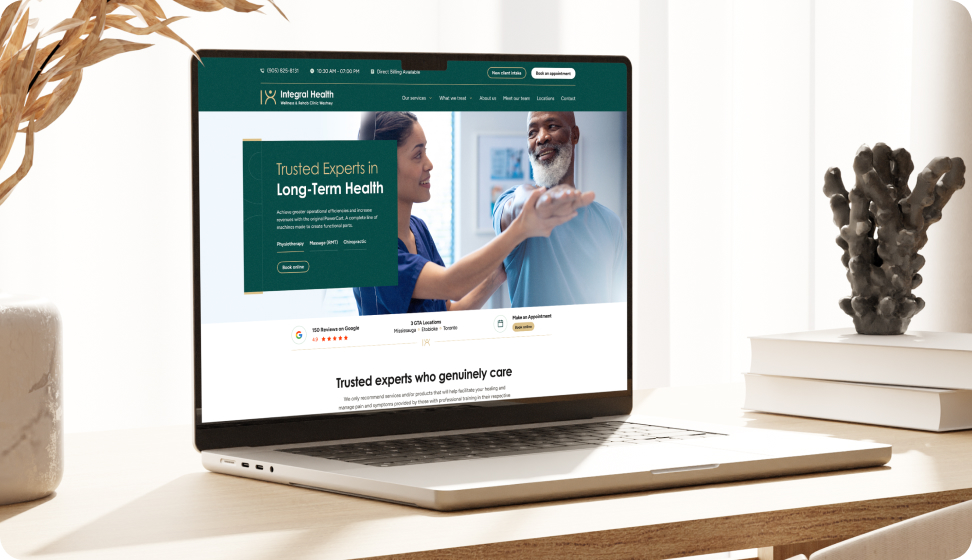
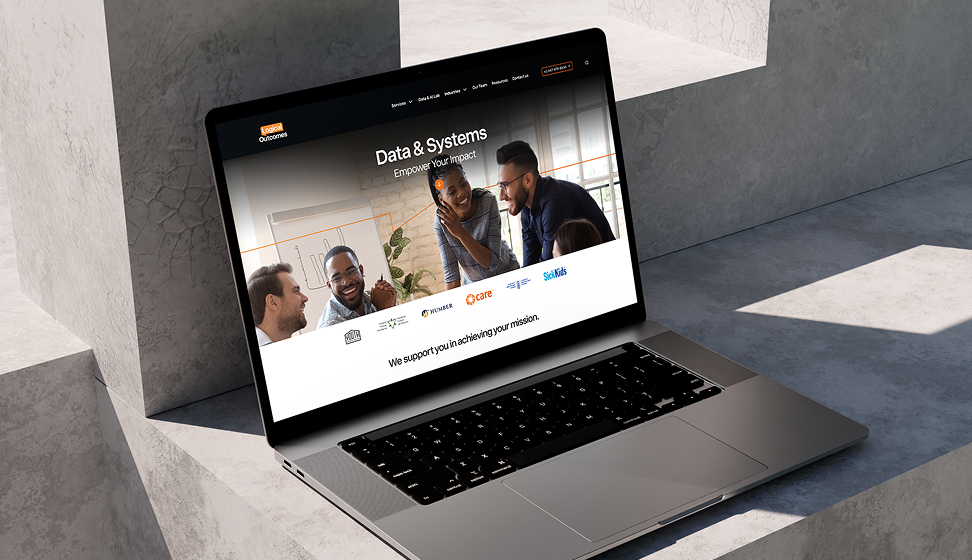

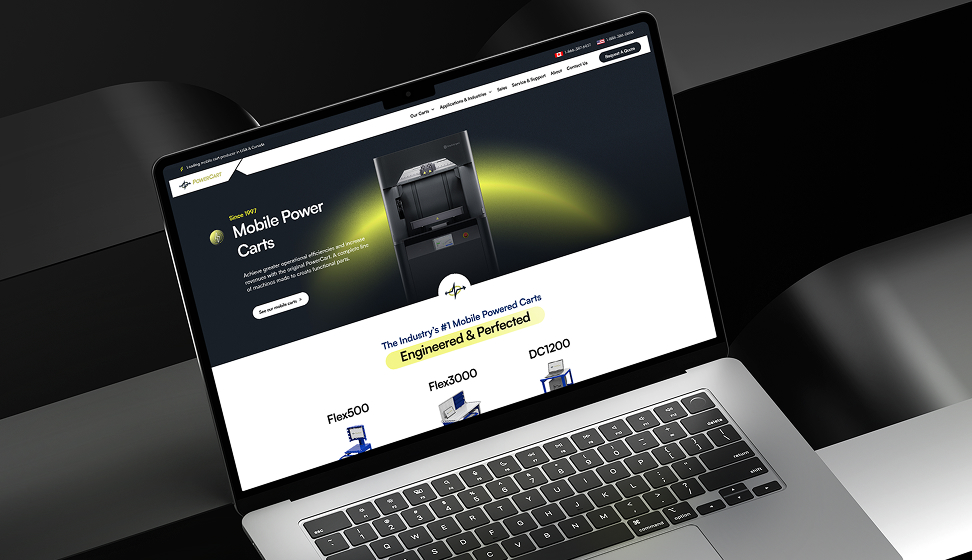
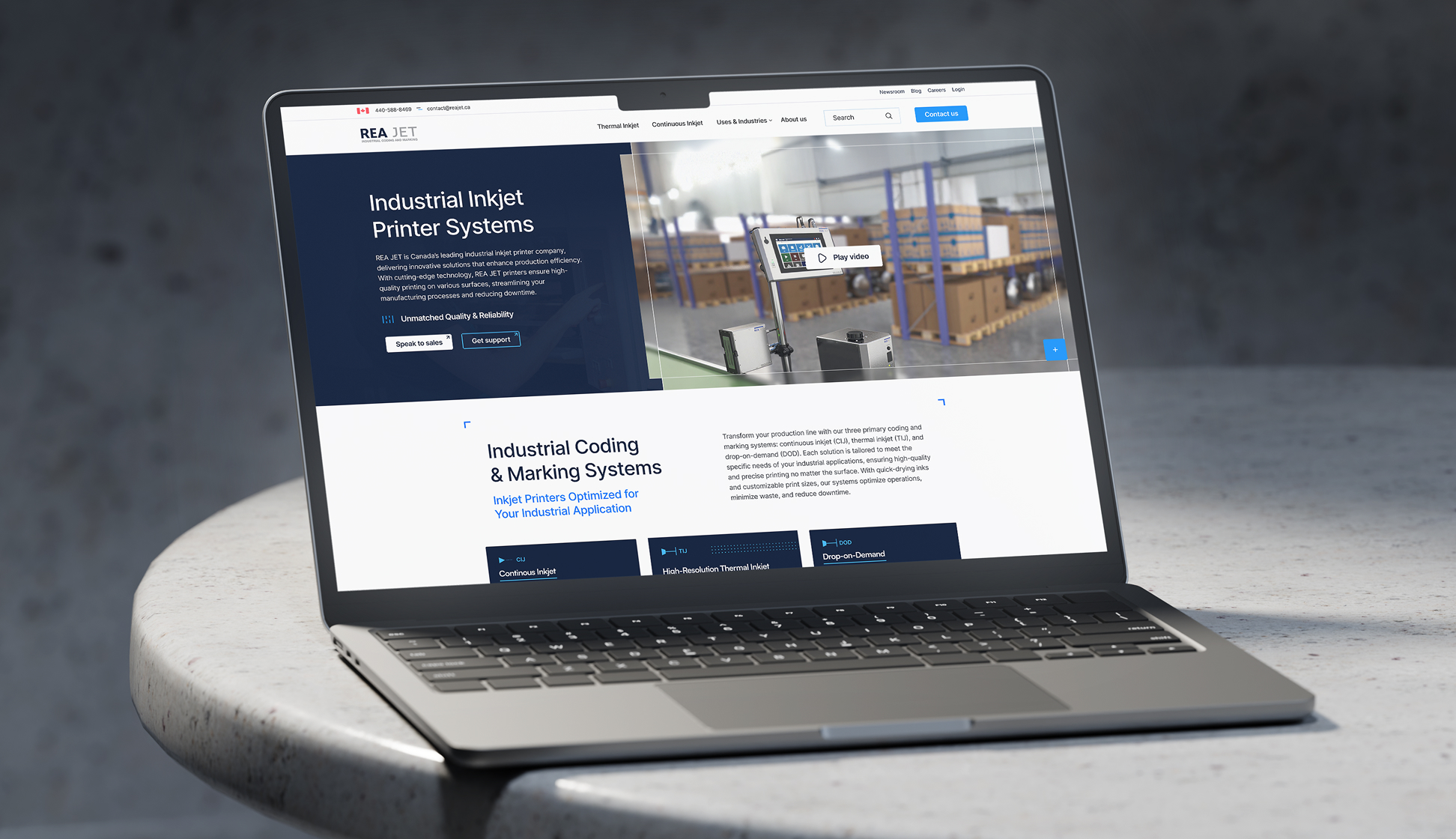
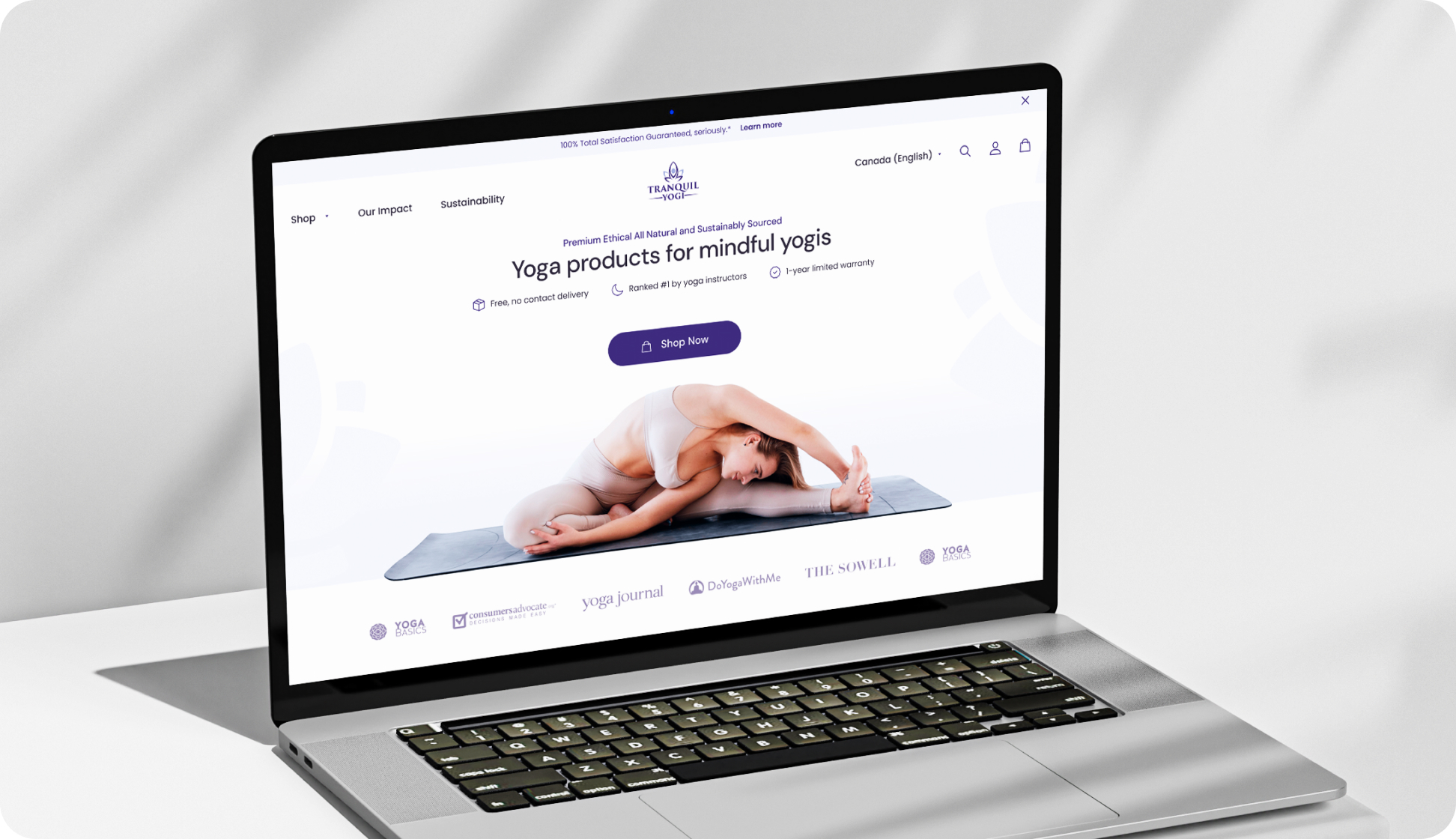
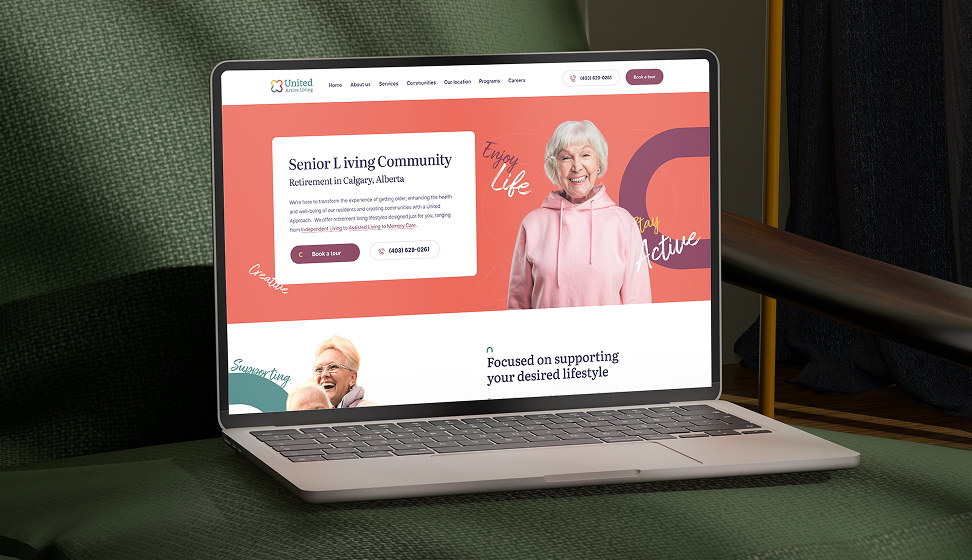
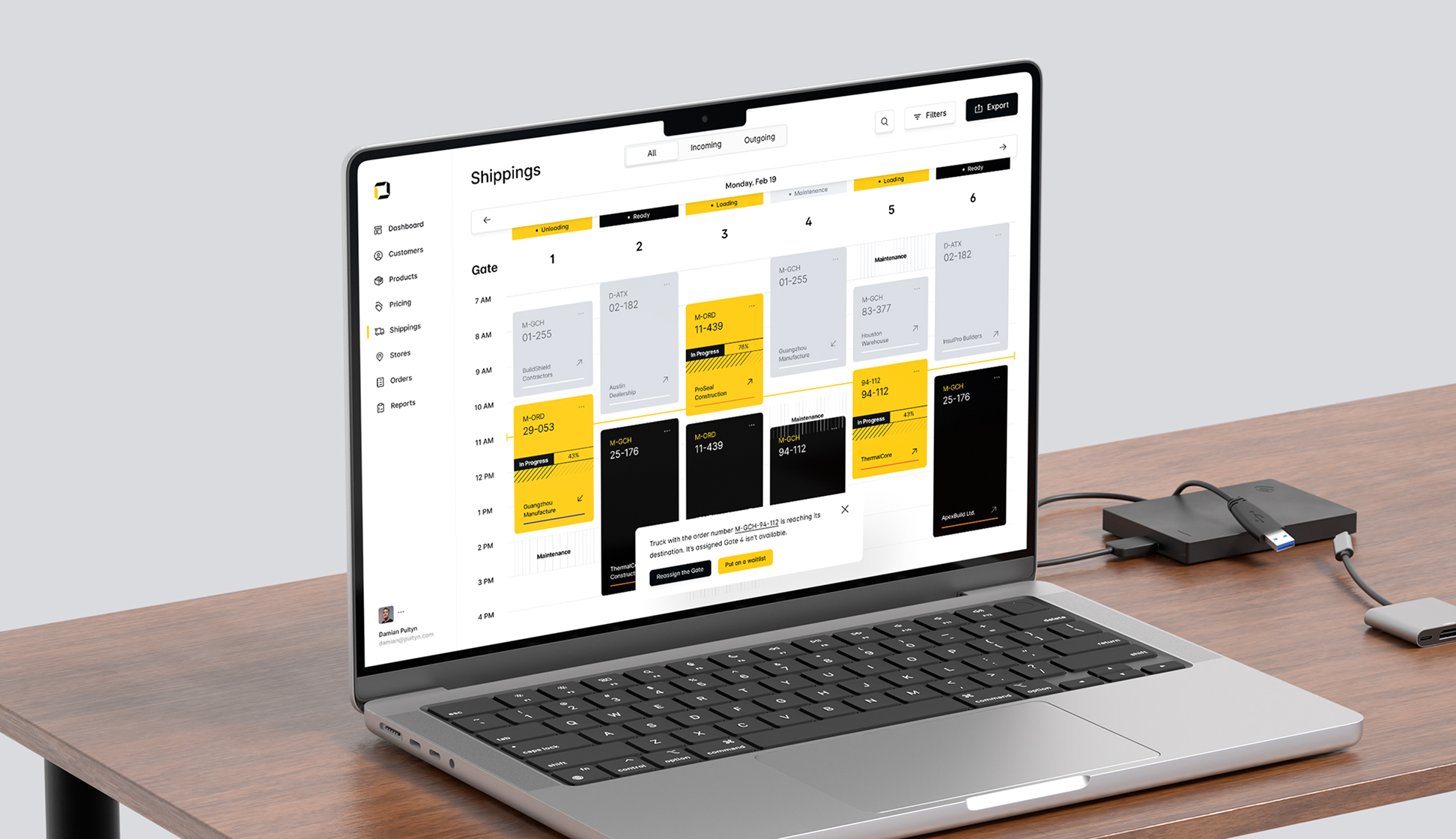
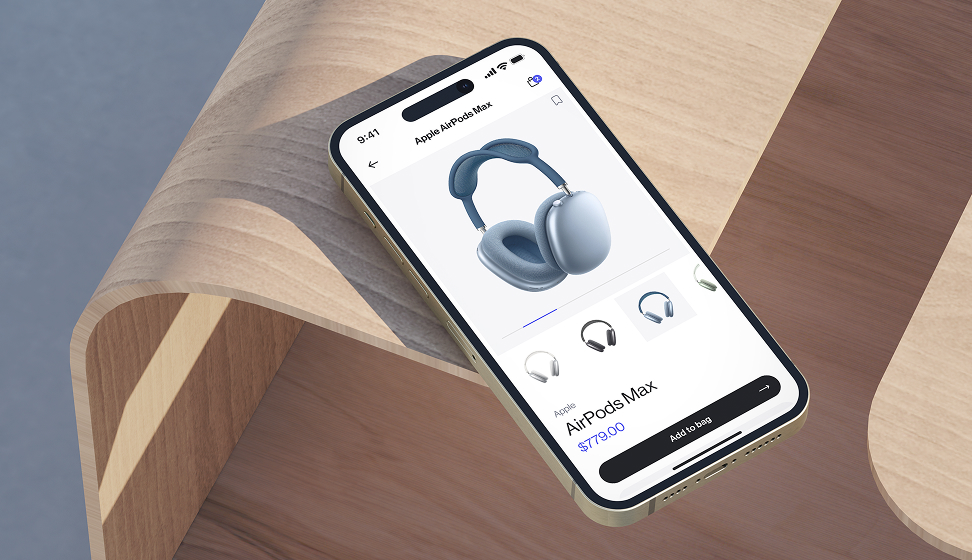

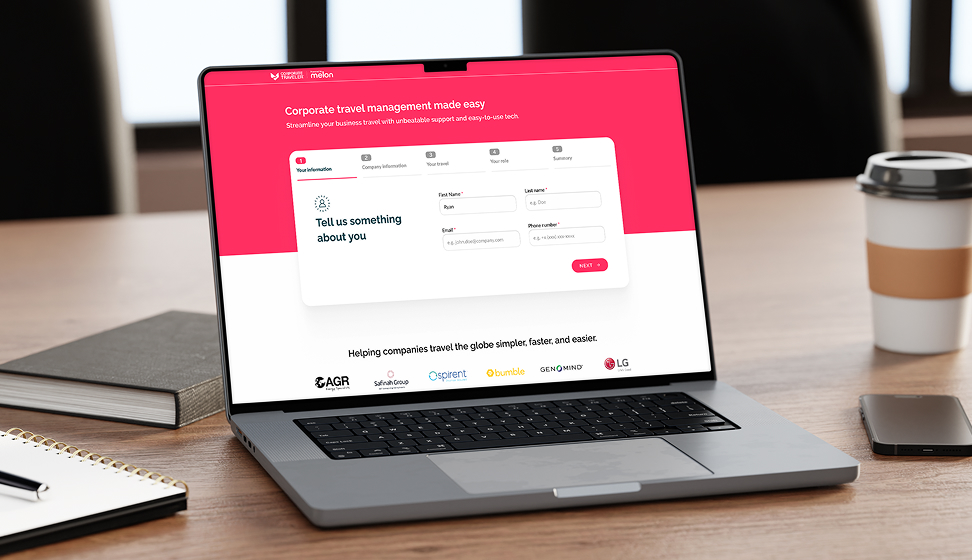
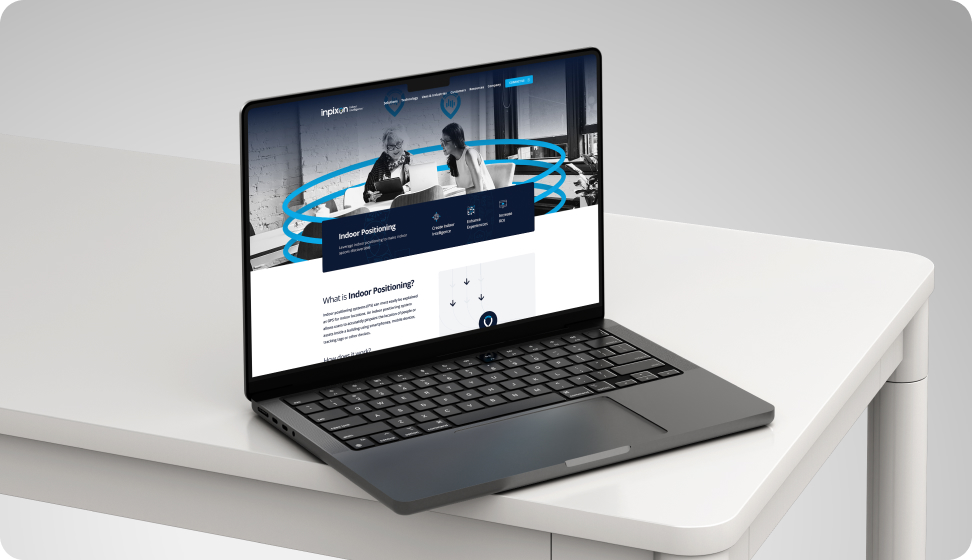
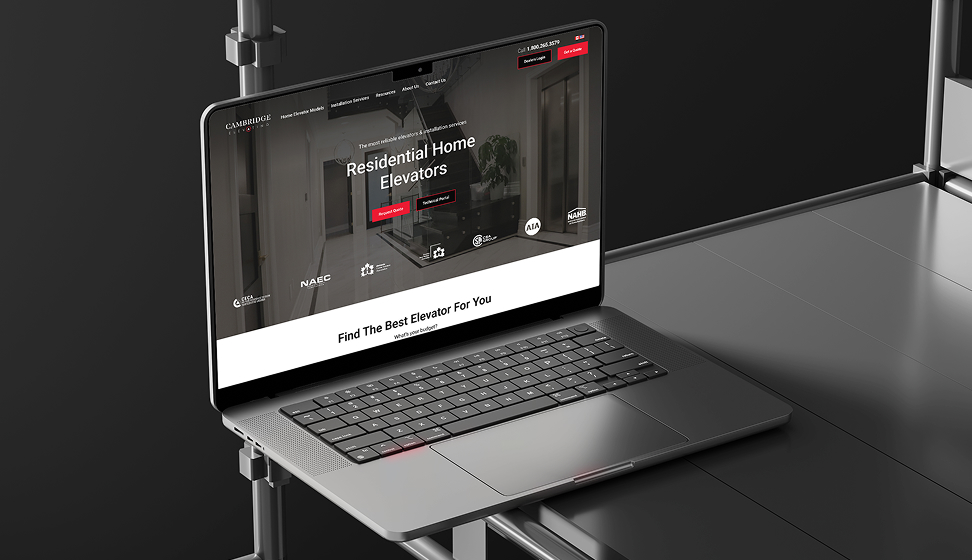

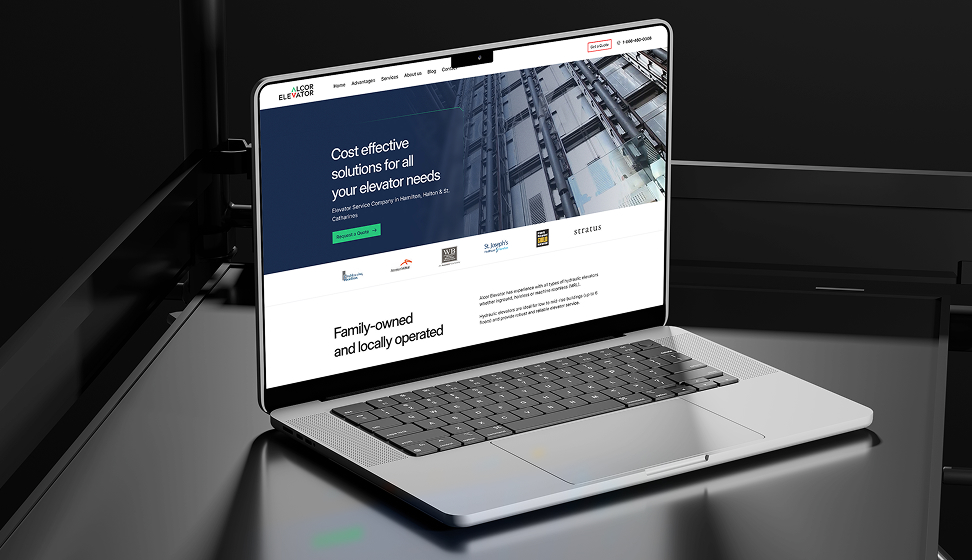
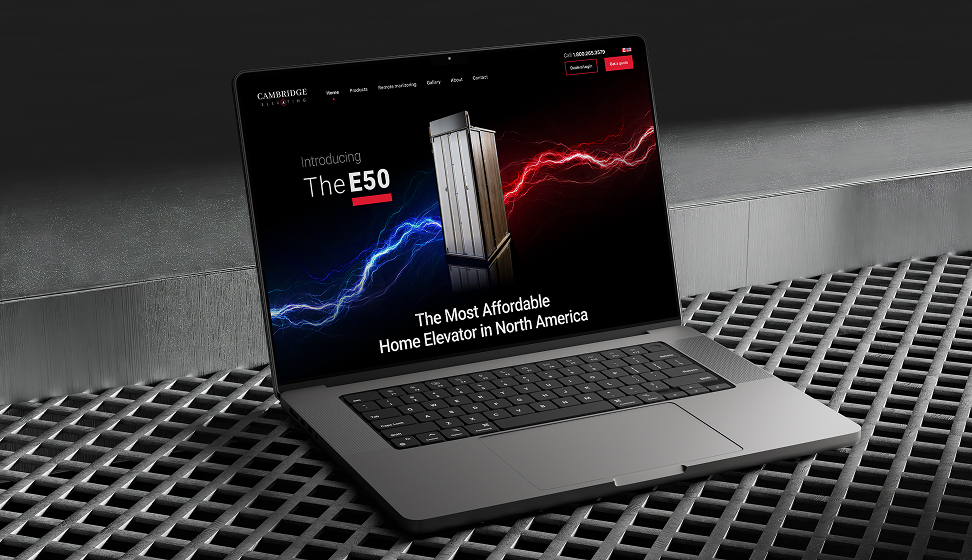
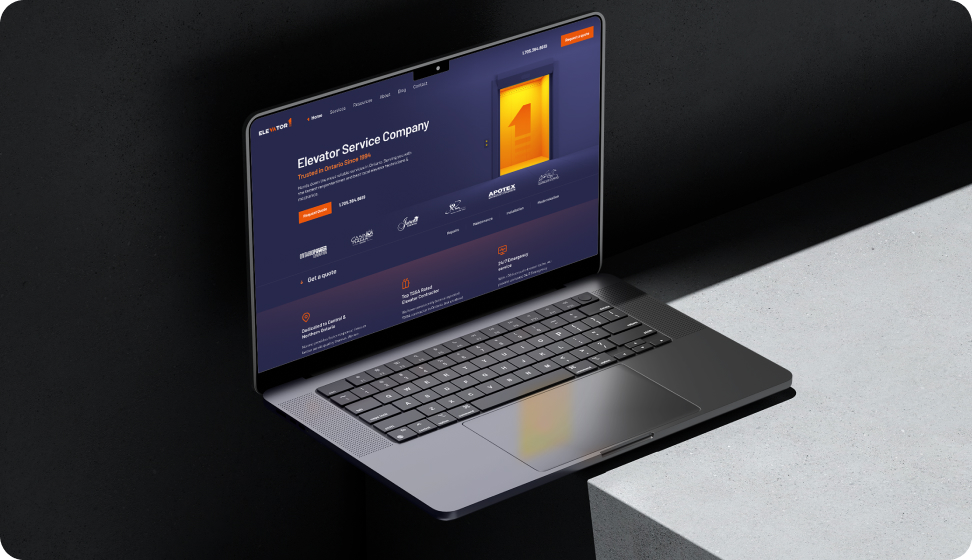
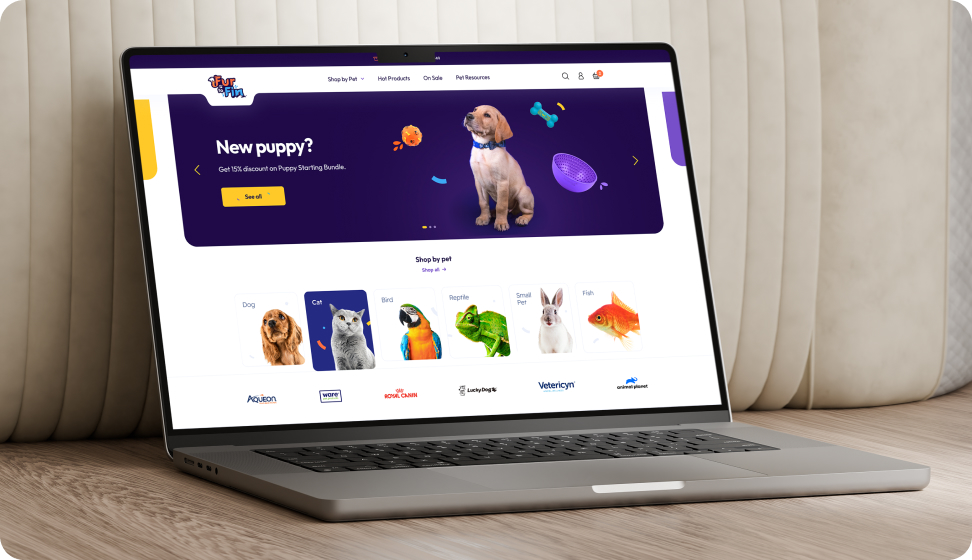
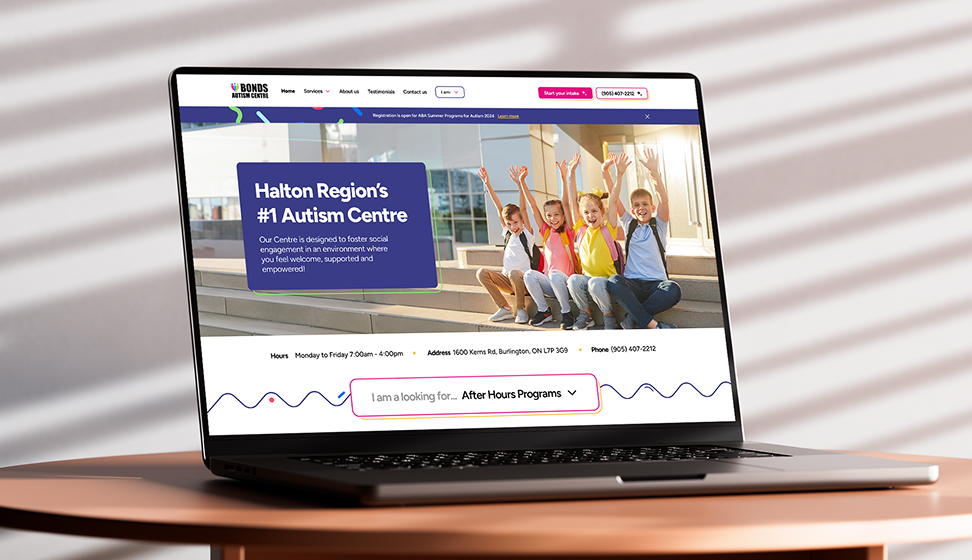




WooCommerce Websites built
for SEO & AI
WooCommerce Dev Company with SEO & AIO Expertise
We design WooCommerce websites from the ground up to compete in aggressive search markets. We do things right the first time, delivering high-end WooCommerce development that supports real marketing performance and helps our clients stand out in competitive markets.
We build custom WooCommerce websites for companies that want to win lead generation. Ranking today means competing in both SEO and AIO (AI Optimization), because customers are discovering businesses through Google and AI-powered search experiences at the same time. If organic lead generation matters to your business, Tastic Marketing builds WooCommerce websites designed to compete, built for marketing, and built to convert.


Optimize KPIs on Your eCommerce Website
Premium Website Design & Development Services
Tastic Marketing designs and develops eCommerce websites with WordPress + WooCommerce that are engineered to improve the KPIs that drive revenue and profitability. That includes conversion rate, average order value (AOV), cart abandonment rate, customer lifetime value (CLV), and customer acquisition cost (CAC).
We improve these metrics by engineering the entire buying experience. That includes advanced conversion frameworks that lift AOV without discounting your brand, such as bundling logic, cross-sells, upsells, and offer placement that feels premium, not pushy. We engineer product pages (PDPs) for higher conversion using trust sequencing, stronger information hierarchy, optimized variation selection, and friction removal across add-to-cart and checkout. We also implement clean analytics and event tracking so performance is measurable and improvements are continuous, not guesswork.
Microsoft Dynamics 365 Business Central
Integrate WooCommerce with Microsoft Business Central
Tastic Marketing is one of the few web design agencies in the world with the expertise to integrate WooCommerce with Microsoft Dynamics 365 Business Central. This is not a basic plugin setup. We provide advanced AL development capability and the engineering depth required to build native, highly customized WooCommerce integrations for Business Central.
This level of work requires more than typical ecommerce development. It demands a deep understanding of how WooCommerce and Business Central should operate together, plus the ability to customize workflows at the ERP level to match real business requirements. We build reliable two-way synchronization so inventory, products, pricing, customers, and orders stay accurate at scale. Whether you need complex product logic, advanced catalog structures, automated fulfillment rules, or integrations with additional platforms, we deliver clean, scalable solutions that reduce manual work, improve accuracy, and support long-term growth.

Creative & Professional Website Development Company

Tastic Marketing is local website development company in Toronto. We are trusted by small business and global enterprises because we do much more than build a nice website.

Integrity. Excellence. Care.
Start Your Project
Partner with our industry-leading web design and digital marketing expert to drive measurable growth and build high-converting solutions that put you ahead of the competition.


Great projects start with great strategy
We work with brands seeking a strategic and trusted partner that can provide competitive industry-leading solutions. To learn more, tell us about the problems you want solved.
"*" indicates required fields
Shine with Tastic
Stand out in a crowded market with marketing solutions that perform. We pair sharp strategy with premium execution to put your brand in front of the right people.
WooCommerce Website Design & Development Agency
Discover missed opportunities

Quick Jump
The Major Advantages of WooCommerce: Flexibility, Cost, and Ownership
WooCommerce is the most-deployed ecommerce platform in the world, and the buyer landing on this page has usually figured out why. The platform wins for businesses that take their store seriously enough to want real control over how it operates. The three reasons that matter most for serious operations are flexibility, cost, and ownership, and each of them produces compounding advantages over years that hosted platforms structurally can’t match.
The Flexibility Case
WooCommerce is open source software running on infrastructure you control. There are no platform-imposed limits on what the store can do, no feature gating to negotiate, no enterprise tiers to upgrade into to access the basic capabilities your business actually needs. The store can be reshaped to fit whatever the business requires, with custom checkout flows, custom product types, custom order management logic, custom integration with your operational systems, and the kind of deep customization that hosted platforms either cap on or charge enterprise pricing for.
The flexibility extends to integration. WooCommerce connects to whatever your business is already running on. Your ERP, your CRM, your accounting system, your fulfillment infrastructure, your custom internal tools, your marketing automation platform, and the dozens of other systems real businesses run on. Custom APIs, custom data flows, custom middleware where standard integrations aren’t enough, all built around your operational reality rather than around what a platform vendor has decided to support this quarter.
The Cost Argument
Hosted ecommerce platforms charge transaction fees, monthly platform fees, enterprise tier upgrades for features that should be standard, and the various other ways platform vendors monetize their merchants. The cost compounds. A store doing a few million in revenue on a hosted platform is paying meaningful percentages of every dollar of revenue back to the platform vendor, in addition to paying for development, hosting, apps, and the broader operational reality of running the store.
WooCommerce inverts the model. The platform itself is free. The hosting cost is whatever your hosting provider charges, which scales much more reasonably than platform fees. The transaction fees go directly to your payment processor at the rate you negotiate, with nothing skimmed off by the platform. The customizations you build belong to you rather than disappearing into the platform vendor’s roadmap. The cost crossover where WooCommerce becomes dramatically cheaper than hosted platforms happens at meaningful but not enormous scale, and the gap widens as the business grows.
The Ownership Argument
You own the code. You own the data. You own the customer relationships, the integrations, the customizations, and the operational logic that makes the store actually work for your business. Nothing about your operation is dependent on a platform vendor’s continued willingness to support it the way they support it today.
This matters more than buyers usually realize at the time the platform decision is made. Hosted platforms can deprecate features, change pricing models, modify their terms of service, restrict what their customers can do, or simply make architectural decisions that break what you’ve built on top of them. The platform’s roadmap is not your roadmap. The platform’s interests are not always your interests. Your business is operating on infrastructure you don’t control, and the operational risk is real even when nothing visible has gone wrong yet.
WooCommerce inverts the relationship. The platform serves the merchant rather than the other way around. The roadmap is community-driven, the ecosystem is open, and the infrastructure decisions belong to you. The store you build today is the store you still control five years from now, regardless of what happens upstream.
The honest framing is that the flexibility, the cost, and the ownership produce real business value for the operations that take their store seriously. The platform isn’t the popular choice because it’s the easy option. It’s the popular choice because it’s the right option for an enormous range of business situations, and the operations that commit to it with the right engineering partner end up with infrastructure that compounds value across years rather than producing the kind of platform tax and forced migrations that hosted platforms eventually impose.
Why Hosted Platforms Quietly Penalize Growth (And Why WooCommerce Doesn’t)
The hosted ecommerce platforms have a consistent pattern that buyers usually don’t notice during evaluation and feel acutely once they’re three years in. The pattern is that the platform’s economics are structured to extract more from successful merchants over time, with the extraction taking forms that aren’t always obvious in the initial pricing comparison.
Transaction fees are the most visible form. Most major hosted platforms charge percentage-based fees on transactions in addition to whatever payment processing fees the merchant pays to their actual payment processor. The fees are small in percentage terms and large in absolute terms once a store reaches meaningful scale. A store doing twenty million in annual revenue pays the platform roughly $200,000 a year just in transaction fees, on top of monthly platform fees, on top of payment processing, on top of development, hosting, and apps. The fees are invisible until the store is big enough that they’re meaningful, at which point the math has already become punitive.
Tiered pricing is the second pattern. The features that serious operations actually need (real B2B functionality, advanced API access, custom checkout extensibility, multi-region operations, advanced analytics, dedicated support) are typically gated behind enterprise tiers that cost dramatically more than the entry-level pricing the merchant initially evaluated. The platform that looked affordable at the start becomes expensive at the scale where the merchant actually needs the advanced features, and the merchant has limited leverage to negotiate because the cost of migrating off the platform at that point is substantial.
App ecosystem economics produce the third pattern. Hosted platforms encourage apps because apps reduce the platform’s development burden while producing revenue share. Merchants build their store on a stack of apps, each charging monthly fees, each producing a small piece of functionality, with the cumulative monthly cost of the app stack often exceeding the platform fee itself. The app dependencies also produce operational fragility, because each app is its own piece of code that can break, get abandoned by its developer, or stop working when the platform updates.
Lock-in is the structural condition that makes the above sustainable for the platforms. Once a store has been built on a hosted platform, with its data structures, its customizations, its app dependencies, its team’s institutional knowledge, the cost of migrating to a different platform is large enough that most merchants don’t seriously consider it. The platforms know this, and the pricing structures evolve over years in ways that capture more value from locked-in merchants.
WooCommerce inverts each of these patterns. There are no transaction fees because the platform doesn’t sit in the payment flow. There are no tiered pricing structures because the platform itself is free. The app ecosystem exists but isn’t the only path to functionality, because real custom development is genuinely viable on the platform. And the lock-in dynamic is dramatically weaker because the merchant owns the code, the data, and the infrastructure, which means migrating between hosting providers, switching agencies, or evolving the architecture is meaningfully easier than on hosted platforms.
The honest framing is that hosted platforms are excellent for businesses whose growth profile fits the platform’s economic incentives. WooCommerce is excellent for businesses whose growth profile doesn’t, or whose owners simply prefer not to operate on infrastructure designed to extract progressively more value as they succeed.
Microsoft Business Central Integration with WooCommerce
The integration between WooCommerce and Microsoft Business Central is one of the deepest and most operationally consequential pieces of work serious B2B and product-led businesses ask for, and it’s an area where the gap between agencies that can do this work and agencies that can’t is enormous. We do this work because our client roster includes operations running Business Central as their core ERP and we’ve built the integration depth across enough projects to know what production-grade looks like.
The integration touches every layer of the operation. Customer records flowing between WooCommerce and Business Central with the right data mapping, the right permissions logic, the right handling of B2B account hierarchies. Inventory data syncing in real time so the store reflects actual availability rather than stale snapshots. Pricing logic that handles customer-specific pricing, volume discounts, contract pricing, and the multi-tier pricing structures B2B operations actually need. Order flow that captures everything the operations team needs while keeping the buyer experience clean. Tax handling across jurisdictions with the precision Business Central requires for compliance reporting. Multi-warehouse fulfillment data that supports the operational reality of distributed inventory. Returns and refunds that flow back to Business Central cleanly without producing accounting reconciliation work.
When this integration is done badly, the operations team ends up reconciling spreadsheets every week, customers see information that doesn’t match what’s in Business Central, and finance closes the month with errors that take days to track down. When this integration is done properly, the integration disappears into the operational background and the business runs cleanly across both systems.
The technical approach uses Business Central’s APIs, custom WordPress plugins on the WooCommerce side, middleware where the data transformation is complex enough to require it, and the kind of monitoring and error handling that production-grade integration work actually requires. The work isn’t generic. Every Business Central deployment has its own customizations, its own data model quirks, its own operational patterns, and the integration has to fit the specific configuration rather than assuming a generic Business Central instance.
We’ve built this integration for clients in distribution, manufacturing, wholesale, and B2B services, with the production engineering experience to handle the edge cases that always show up at scale. The honest framing is that Business Central integration on WooCommerce is real software engineering, not a configuration exercise, and the agencies that can deliver it competently are dramatically fewer than the agencies that claim to.
The ERP, CRM, and Operational Integration Most Agencies Can’t Deliver
Business Central is one example of a broader category of work. Most serious operations have an ERP, a CRM, a marketing automation platform, an accounting system, a fulfillment infrastructure, and various other operational systems that the WooCommerce store has to work with rather than around. The integration layer between WooCommerce and the rest of that stack is where a meaningful share of operational efficiency lives, and it’s the layer most agencies treat as someone else’s problem.
The ERP integration covers the deeper business logic. NetSuite, SAP, Sage, Acumatica, and the various other ERP systems mid-market businesses run on all need to move data between WooCommerce and the ERP at production-grade reliability. Customer record sync, inventory sync, order flow, pricing logic, multi-warehouse fulfillment, the various operational realities that turn an ecommerce store into part of an actual business operation. The work is genuinely hard and rarely shows up in agency portfolios because the agencies that build pretty WooCommerce stores mostly don’t have the engineering depth to do the integration work alongside it.
The CRM integration handles the customer relationship layer. HubSpot, Salesforce, Pipedrive, Microsoft Dynamics, and the various other CRMs our clients run on. Customer accounts on the store sync with CRM records. Behavioral data from the store enriches the CRM with engagement context. Sales reps have visibility into every relevant touchpoint without having to chase data across systems. The integration depth determines whether the CRM is actually useful for sales and marketing or whether it’s a parallel system the team has to maintain alongside the store.
The marketing automation integration is where the sales reps’ work becomes campaigns. Behavioral triggers tied to real engagement data, abandonment recovery infrastructure that integrates with email and SMS, segmentation built around real purchase behavior, and the kind of personalization that produces dramatically higher conversion than generic email campaigns. We integrate WooCommerce with Klaviyo, Mailchimp, ActiveCampaign, HubSpot, and the marketing automation platforms our clients are committed to.
The accounting and finance integration handles the operational reality of running a real business. QuickBooks, Xero, Sage, NetSuite, and the accounting systems where the actual books live. Order data, refund data, tax data, and the various financial signals all need to flow correctly so the finance team isn’t doing manual reconciliation work every month.
The fulfillment integration handles the physical reality. Warehouse management systems, 3PLs, shipping carriers, the various operational systems that actually get products to customers. Order data flows out, tracking data flows back in, and the kind of operational integration that keeps the customer experience consistent with what’s actually happening in the warehouse.
The custom integration work is where engineering depth shows up most clearly. Most businesses have internal systems that don’t have off-the-shelf WooCommerce integrations. Custom databases, internal tools, legacy systems, and the proprietary infrastructure that real businesses run on all need integration work that requires real software engineering. We build custom integrations because most agencies can’t, and the businesses we work with usually have at least one critical system that needs custom integration work to make the store actually serve the broader operation.
Marketing-Led WooCommerce Builds: How Tastic Approaches the Work Differently
Most WooCommerce agencies are development shops that have learned to use marketing buzzwords. The team installs a theme, configures it, customizes the visual layer, ships the store, and moves on to the next project. The marketing reality the store has to operate in (the SEO foundation, the conversion architecture, the paid advertising compatibility, the integration with the rest of the marketing stack, the AI search visibility) becomes someone else’s problem after launch.
Tastic is structurally different. We run real marketing programs every day for our clients across SEO, AIO, paid advertising, content, and brand. The marketing work informs how we build WooCommerce stores. The store work informs how we run marketing. Neither side is theoretical because both sides are operational at the same time, on the same team, on the same projects. The result is a WooCommerce build that’s engineered around the marketing reality your store actually has to perform in rather than configured against a generic specification.
The technical SEO foundation gets built into the architecture rather than bolted on with plugins. URL structure, internal linking, schema and structured data, page speed and Core Web Vitals, JavaScript rendering for search crawlers, content hierarchy, canonical handling, and the dozen other technical SEO decisions that determine search visibility all get the attention they need at the build stage. We’re the ones who’ll be running the SEO program against the store after launch, so the foundation gets built to support real ranking work rather than to look acceptable in a Lighthouse audit.
The conversion architecture gets engineered around real buyer behavior rather than around design preferences. Landing page structure, product page architecture, collection page logic, cart design, checkout flow, trust signals, social proof placement, and the dozen other decisions that determine whether visitors actually buy all get treated as marketing decisions rather than design decisions. The store launches with conversion rates we’d be willing to defend to a CFO because we understand what the marketing programs feeding the store actually need from it.
The paid advertising compatibility gets built in. Conversion tracking, custom audiences, dynamic product feeds, server-side tracking through the Conversions API, and the integration with Google Ads, Meta, and other paid platforms that determines whether paid programs can actually scale profitably. Most stores we audit are leaving meaningful percentages of paid performance on the table because the tracking and attribution layer was treated as an afterthought. We treat it as part of the build because we run paid programs against stores like this every day.
The content and editorial layer gets architected for marketing rather than just for storefront content. Blog architecture that actually supports SEO, content modeling that reflects how editorial teams actually work, integration with content marketing programs, and the structural support that lets the store function as both a storefront and a content marketing platform. WooCommerce’s WordPress foundation is uniquely strong for this combination, and we build with that strength in mind because we know what the marketing team running content programs against the store will need.
The AI search visibility layer gets engineered into the build because we’re running AIO programs for clients across multiple categories and we know what AI systems look for when they evaluate stores for citation and recommendation. Most agencies haven’t started thinking about this yet. We’ve been building it into projects because the future of ecommerce discovery runs through AI systems alongside traditional search.
The handoff to your in-house marketing team or to whichever agency runs your marketing programs is clean because we built the store to support how marketing actually runs rather than how marketing shows up in agency case studies. Most stores require months of remediation work after launch to make them performable for marketing teams. Ours don’t, because the marketing reality was the design constraint, not the afterthought.
The honest framing is that you’re choosing between a development shop that builds what you ask for and an agency that builds what your marketing programs will actually need. Both can produce a working WooCommerce store. Only one produces a store that compounds value across the marketing programs running against it for years after launch.
Custom Development Beyond What Plugins Can Do
The WooCommerce plugin ecosystem is enormous, and a properly built store uses plugins where it makes sense. Plugins are mature, well-tested, and economical for the standard problems that have already been solved well. The mistake most agencies make is treating plugins as the answer to every problem rather than as one tool in the toolkit, which produces stores assembled from forty plugins that fight each other for resources, none of which quite fits the actual business requirement, and all of which become maintenance liabilities the moment one of them gets abandoned by its developer.
Real WooCommerce engineering uses plugins where they’re the right answer and writes custom code where they aren’t. The judgment of when to do which is the skill that separates engineering-led WooCommerce builds from plugin-stacked ones, and the cases where custom development is the right call are more common than most agencies acknowledge.
Custom plugin development is the cleanest case for going beyond off-the-shelf solutions. Your business has an operational requirement that no existing plugin handles correctly. A custom workflow that fits your specific business process. Integration logic specific to your internal systems. Custom product types that don’t fit WooCommerce’s standard categories. Custom checkout fields with conditional logic. Building a focused custom plugin to handle one specific business requirement produces clean, performant, maintainable code that does exactly what you need without the bloat of a marketplace plugin trying to serve every possible use case.
Custom theme development is where most of the engineering depth shows up on a WooCommerce build. Most stores run on marketplace themes that include features you don’t need, code patterns that don’t fit your specific requirements, and architectural decisions that constrain what you can do downstream. A custom theme built around your specific business produces a store that performs better, costs less to maintain over years, and gives the design team the flexibility to actually execute on the brand vision rather than fighting the theme’s defaults.
Custom block development for the modern WordPress and WooCommerce environment matters more than most agencies appreciate. WooCommerce’s evolution toward block-based architecture (Cart Block, Checkout Block, custom WooCommerce blocks for product display) has changed what’s possible at the storefront layer. Real engineering uses these capabilities deliberately, building custom blocks where they fit, using core blocks where they cover the requirement, and producing storefronts that take advantage of the modern WooCommerce architecture rather than fighting against it.
Custom REST API and integration endpoints handle the cases where the standard WooCommerce REST API doesn’t go deep enough. Custom endpoints for specific operational data flows, custom authentication for specific integration partners, custom webhooks for specific business events, custom data shapes for specific downstream systems. The work matters because the integration layer is where most operations need engineering that goes beyond what plugins provide.
Custom admin experiences let internal teams operate the store with workflows fitted to how they actually work. Custom admin pages for specific operational tasks, custom dashboards that surface the metrics the team actually needs, custom user roles and capabilities that match the team’s hierarchy, custom Gutenberg patterns and content templates that give editors a starting point for the work they actually do. The admin experience is where the long-term productivity of the team running the store lives.
We’re disciplined about the plugin-versus-custom decision because we’ve inherited too many stores where custom code was written for things plugins handle well, or plugins were stacked for things that needed custom code. The right answer requires real judgment about the specific business situation, the specific requirement, and the specific trade-offs. The honest framing is that custom development on WooCommerce is a real engineering discipline, and the agencies that operate at this depth produce dramatically different stores than the agencies that don’t.
Custom Checkout Engineered Around CAC, LTV, Upsells, and How Buyers Actually Buy
The checkout and conversion architecture on a WooCommerce store is the most leveraged part of the entire operation. Most agencies treat the checkout as configuration work, install whatever cart and checkout block ships with WooCommerce, add a few apps for upsells, and call it done. The result is a generic checkout experience that produces generic conversion rates and leaves enormous amounts of revenue on the table that real engineering would have captured.
This is where the honest math matters. Customer acquisition cost is the most unforgiving number in ecommerce, and the conversion rate at the checkout layer is the single largest determinant of effective CAC. A store that converts at 2% with a $200 average order is producing one order per fifty visitors at $200. The same store at 3% conversion with the same order value is producing one order per thirty-three visitors. The 50% improvement in conversion rate cuts effective CAC by a third, which means every paid program suddenly produces a third more customers at the same spend. The compounding effect across an entire marketing operation is what turns checkout engineering from a tactical project into a strategic priority.
Lifetime value is where the math gets more interesting. The first purchase is one type of business outcome. The same customer buying every two months for two years through a properly engineered subscription, repeat purchase, and loyalty system is a fundamentally different business outcome, often worth ten or more times the first purchase. The engineering work at the checkout, post-purchase, and customer experience layers determines whether the second purchase ever happens.
Pre-Purchase Upsells
The pre-purchase phase is where most stores leave AOV on the table. Done well, the engineering lifts both AOV and conversion. Done badly, the friction added to capture upsells costs more conversion than the upsells produce in incremental revenue.
Product page upsells engineered around real buyer behavior outperform generic “you might also like” widgets dramatically. A customer adding a high-end coffee maker to their cart should see the matching grinder, the relevant beans, and the bundle that combines them as natural extensions of the primary purchase, not as random product suggestions. The recommendation logic should be specific to the product, the customer’s apparent intent, and the realistic complementary purchases that matter for that category.
Free shipping thresholds are a basic upsell mechanic that most stores implement badly. A clear, prominent indicator showing buyers how close they are to qualifying for free shipping, paired with smart product recommendations that would push them over the threshold, lifts AOV consistently across most categories.
Quantity-based pricing handles the buyer who’s considering buying more than one. Showing pricing tiers at the product level (one for $50, three for $135, six for $240) makes the multi-unit math obvious and lifts the average quantity per order significantly in categories where it applies.
Bundle and kit logic produces AOV improvements that simple upsells can’t match. A custom bundle builder lets buyers configure exactly what they want, with pricing that incentivizes larger configurations. The implementation uses WooCommerce’s product variant system, custom price calculation logic, and custom theme components for the configurator UI.
In-Cart Cross-Sells
The cart is the highest-intent moment in the buyer journey before checkout. The buyer has selected products and is moving toward purchase. The work at this layer determines whether they actually complete the transaction.
Cart drawer engineering handles smart cross-sells, free shipping progress indicators, gift wrapping options, order notes, and the kind of cart experience that genuinely supports conversion rather than presenting a list of items and a checkout button. Smart cross-sell logic in the cart can lift basket size by adding items that genuinely fit the purchase context, particularly when the cross-sells are positioned as making the primary purchase more useful rather than as separate transactions.
One-Click Upsells
Between the cart and the payment confirmation, there’s a window where the buyer has committed to purchasing but hasn’t completed the transaction. This window is the highest-conversion upsell moment in the entire ecommerce experience because the buyer is psychologically already in the buying mindset. Most agencies use generic upsell apps for this. Real engineering produces dramatically better results.
One-click upsells presented at strategic moments in the checkout flow let the buyer accept an additional offer without re-entering payment details or restarting the checkout. The conversion rates are dramatic, often 15% to 30% on well-targeted offers, and the incremental revenue is mostly margin because the customer acquisition cost has already been amortized against the primary purchase.
Order Bumps
Order bumps presented as a simple checkbox during checkout, offering a complementary product at a discounted price, lift AOV consistently in categories where the bump product genuinely fits the primary purchase. Subscription clubs, digital add-ons, extended warranties, sample boxes, and consumable refills all work particularly well as order bumps. Implementation requires custom checkout development, the discount logic, and the UI work for the presentation.
Post-Purchase Upsells
The thank-you page (the page customers see after completing checkout) is one of the most underutilized real estate locations in ecommerce. The buyer just completed a purchase. The transaction worked. They’re feeling good about the decision. Most stores use this page to display order numbers and shipping information. Real engineering uses it for genuine business outcomes.
Post-purchase upsells presented on the thank-you page can be processed as additions to the order that just completed, charged to the same payment method, and shipped in the same package. The conversion rates on these offers are dramatic, often higher than any other upsell mechanic in the funnel, because the buyer doesn’t have to re-enter payment details and the upsell genuinely saves them shipping costs and waiting time on a second order.
Subscription offers presented at the order status page convert significantly better than subscription offers presented anywhere else in the funnel. A buyer who just bought a consumable product is exactly the right buyer to offer a subscription option to. “Save 15% by setting this up to ship every 60 days” is a meaningful conversion mechanic that lifts subscription enrollment dramatically when done well.
Account creation prompts at the order status page recover most of the data marketing teams need without taxing the upstream conversion rate. The buyer has already completed their purchase, so creating an account is no longer a barrier to purchase. Offering a small incentive (“create an account to track this order and save 10% on your next purchase”) converts a meaningful share of guest checkouts into accounts that can be marketed to over the lifetime of the customer relationship.
Subscription Logic
Subscription commerce is where the LTV math gets dramatic on WooCommerce. The platform’s subscription infrastructure has matured significantly, with WooCommerce Subscriptions covering the standard implementations, third-party plugins like SUMO Subscriptions extending the capability, and custom development handling the cases where neither off-the-shelf option fits.
Subscription enrollment mechanics matter more than the subscription itself. The offer presentation, the perceived value, the flexibility communicated, and the friction reduction in signing up all determine whether buyers convert into subscribers. Real engineering produces enrollment rates dramatically higher than generic implementations.
Subscription retention mechanics matter even more than enrollment because customers cancel when the subscription becomes friction or stops feeling valuable. Engineering the subscription experience to reduce both is the real work. Skip-month functionality, easy modification, transparent management, swap and pause options, and the kind of customer experience that makes the subscription feel like an asset rather than a recurring charge produce churn rates dramatically below industry baselines.
Abandonment Recovery
Cart abandonment is the largest single category of lost revenue in most ecommerce operations. Standard plugins recover a fraction of what real engineering produces.
Real abandonment recovery starts at the cart and checkout level rather than after the abandonment. Exit intent detection that triggers when buyers move toward closing the tab. Smart re-engagement offers that match the value the buyer was about to leave on the table. Friction analysis that identifies which step of the checkout buyers are abandoning at and engineers fixes for those specific drop-off points.
When abandonment does happen, the recovery sequence matters more than the recovery email. A multi-step recovery flow that combines email, SMS for buyers who opted in, retargeting via paid platforms with the abandoned products, and personalized offers based on the cart contents recovers significantly more revenue than a single follow-up email. The economic case is straightforward. A 5% improvement in abandonment recovery on a store doing $500,000 in monthly revenue with 70% abandonment is worth roughly $17,500 a month in incremental revenue, which compounds to over $200,000 a year in revenue that was already paid for in customer acquisition cost.
Loyalty and Referral
The mechanics that turn first-time buyers into repeat customers are where the LTV math gets compounded over years. Generic point-based loyalty programs assembled from off-the-shelf plugins produce minimal results because they don’t fit the specific economics or buyer behavior of the business.
Real differentiation comes from engineering custom loyalty mechanics that fit the specific business: tiered programs that reward longer commitment, experiential rewards that build emotional connection beyond transactional value, surprise-and-delight mechanics that produce customer enthusiasm. Referral mechanics that incentivize the right referrers, capture the right data, attribute the right revenue, and pay out the right rewards lift acquisition costs meaningfully when they fit the business model.
The Integrated View
The custom checkout layer at full depth is where every mechanic above is integrated into a single, coherent customer experience. Pre-purchase upsells lift the rate at which storefront visitors become buyers. The cart and checkout are engineered around the specific buyer reality. One-click upsells and order bumps maximize the value of every committed purchase. Post-purchase mechanics initiate long-term customer relationships. Subscription logic creates recurring revenue. Abandonment recovery captures what would otherwise be lost. Loyalty and referral mechanics compound the value of every customer relationship over years.
The math at this depth changes the unit economics of the entire operation. Customer acquisition cost drops because conversion rates are higher across every channel. Average order value rises because the upsell and cross-sell mechanics are working at every stage. Lifetime value rises because the post-purchase relationship is engineered for repeat business. The ROAS on paid programs improves dramatically because every committed click produces meaningfully more revenue than it would on a default checkout.
This is the work most WooCommerce operations are leaving on the table. Plugin-based implementations cover the surface and produce a fraction of what custom engineering produces. Real engineering at this depth produces stores where the unit economics get progressively better as the engineering investment compounds, and the businesses that commit to this layer end up with operations that quietly outperform competitors at the same marketing spend, with the same products, in the same categories.
The honest framing is that WooCommerce’s CRO ceiling is much higher than most agencies operate at. The platform supports real engineering at the conversion layer when the agency building the store has the engineering depth to actually deploy these capabilities. The buyers who commit to this layer with the right engineering partner are the ones whose WooCommerce operations produce unit economics that competitors quietly can’t match.
Why WooCommerce Has a Bad Performance Reputation (And How We Avoid It)
WooCommerce has a reputation for being slow. The reputation is real. The cause is not the platform. The cause is how most WooCommerce stores get built, and the gap between a typical agency build and a properly engineered one shows up in every performance metric that matters.
The pattern that produces slow WooCommerce stores is consistent. A marketplace theme gets selected because it looks like the design the client wanted. The theme ships with a page builder embedded in it (Elementor, Divi, WPBakery, or similar) because that’s what marketplace themes do. The page builder generates bloated HTML and CSS for every page, often tripling the actual code weight compared to a hand-built equivalent. Twenty to forty plugins get stacked on top to handle the various features the theme doesn’t cover, with each plugin loading its own JavaScript and CSS on every page regardless of whether that page actually uses the plugin. The hosting is shared infrastructure priced for cost rather than performance. The result is a store that loads in seven seconds, fails Core Web Vitals, loses search visibility, and converts at half the rate it should.
None of this is WooCommerce’s fault. A properly engineered WooCommerce store is fast in ways the typical agency build can’t reach. The engineering decisions that produce real performance are knowable, repeatable, and worth understanding because they’re the same decisions our team makes on every project.
The Hosting Foundation
Shared hosting is the wrong answer for any serious WooCommerce store. Properly sized managed WooCommerce hosting from providers who actually understand WooCommerce (Kinsta, WP Engine, Pressable, Rocket.net, Pantheon, or properly configured cloud infrastructure on AWS, Google Cloud, or DigitalOcean) produces dramatically different baseline performance than the budget hosting most small agencies default to. The hosting choice alone often determines whether a store can ever reach real performance, regardless of how well it’s engineered above the infrastructure layer.
The Theme Architecture Layer
Custom themes built around the specific business produce HTML, CSS, and JavaScript weights a fraction of what marketplace themes ship. The stylesheet is curated rather than bloated. The JavaScript loads conditionally rather than universally. The asset pipeline is optimized for production rather than for theme marketplace flexibility. The database queries the theme generates are efficient rather than redundant. The result is a baseline page weight that’s often 60 to 80 percent lighter than a marketplace theme equivalent before any other optimization work is done.
Custom themes also avoid the page-builder problem entirely. Real custom WooCommerce development uses native WordPress and WooCommerce block APIs to produce content management experiences that editors can actually use, with the underlying HTML staying lean rather than ballooning into the multi-megabyte page outputs that page builders consistently produce.
Plugin Discipline
Every plugin added to a WooCommerce store is code loading on requests. The judgment of when to use a plugin and when to write custom code is the difference between a store that loads quickly and one that doesn’t. Our discipline is to use plugins for genuine value (security, backups, the established WooCommerce extensions, mature SEO infrastructure, payment gateways) and to write custom code for everything specific to the business. The plugin count on a properly engineered store is typically a third to a quarter of what a typical marketplace build runs.
A store running 40 plugins isn’t just running 40 features. It’s running 40 separate pieces of code that all load assets, run database queries, hook into WordPress core, fight each other for resources, and accumulate vulnerabilities over time. The performance cost compounds. The security cost compounds. The maintenance cost compounds. Real engineering keeps the plugin footprint small and writes custom code where the standard plugins are the wrong tool.
Caching Architecture
The caching layer is where WooCommerce performance gets engineered at depth. Object caching with Redis or Memcached for database query results. Page caching with appropriate exclusion rules for dynamic content (cart, checkout, account pages). Edge caching through a CDN for static assets and cacheable pages. Database query optimization to reduce the queries that have to run on every page load. The combination produces page load times under a second on most pages, which is the threshold where Core Web Vitals stop being a problem and conversion rates stabilize at their actual ceiling.
The caching discipline has to be matched to the store. Static content can cache aggressively. Dynamic content (cart, checkout, customer-specific pricing) needs caching architecture that handles personalization and logged-in users without serving stale content to the wrong people. Real engineering matches the caching architecture to the specific store rather than installing a generic caching plugin and hoping it works.
Asset Optimization
The asset optimization layer handles what gets shipped to the browser. Image optimization with modern formats (WebP, AVIF), responsive image serving, lazy loading on below-the-fold content, font subsetting, JavaScript code splitting, and CSS pruning all add up to dramatic differences in what the browser actually has to download and render. Stores we build typically ship 50 to 70 percent less to the browser than equivalent stores built without this discipline.
Database and Query Optimization
WooCommerce’s data model relies heavily on the wp_posts and wp_postmeta tables, with WooCommerce-specific tables for orders, sessions, and various other operational data. Custom database optimization, query refactoring, custom tables for high-volume data when appropriate, and the broader database engineering work that keeps a WooCommerce store fast as it grows all matter for serious operations. The High-Performance Order Storage (HPOS) feature WooCommerce introduced has changed what’s possible at the database layer, and stores we build use it correctly rather than running on the legacy storage model that affected performance at scale.
The Honest Framing
WooCommerce’s performance reputation comes from how most agencies build on it. The platform is capable of running stores that perform at the highest level when the engineering discipline is applied. Stores we build typically score in the 90s on Lighthouse, pass Core Web Vitals on every page, and load faster than the typical Shopify or hosted-platform equivalent in the same category. The buyer evaluating WooCommerce should treat performance as a question of who’s building the store, not as a question of which platform.
The Future of WooCommerce With AI
The story most agencies are telling about AI and ecommerce is generic. Chatbots, product recommendations, dynamic pricing, the same talking points repeated across every platform. The actual story for WooCommerce specifically is more interesting and more consequential, and the platform has positioned itself as one of the reference implementations for the agentic commerce era.
What’s Already Shipped: WooCommerce 10.3 and the Agentic Commerce Stack
WooCommerce 10.3 (October 2025) shipped the WooCommerce MCP server, which makes every WooCommerce store agent-discoverable through the Model Context Protocol. AI agents can query the store’s catalog, evaluate product data, and execute transactions through the standardized protocol. The capability sits underneath WordPress 6.9’s server-side Abilities API (January 2026) and integrates with the broader WordPress AI ecosystem that’s emerging through 2026.
WooCommerce 10.7 (April 14, 2026) shipped support for Stripe’s Agentic Commerce Protocol (ACP), which is the payment-layer protocol for agent-driven transactions. The combination of WooCommerce MCP for discovery and ACP for payment produces a complete agentic commerce stack on the platform, with capabilities that hosted platforms are still figuring out how to build.
WordPress 7.0 (May 20, 2026, two weeks from now as of this writing) ships the JavaScript counterpart to the Abilities API, the WP AI Client (php-ai-client) for provider-agnostic AI infrastructure, and the Connectors API for centralized AI provider configuration. The combination turns WooCommerce stores running on WordPress 7.0+ into AI-native commerce platforms at the infrastructure level.
The Agent Traffic Reality
The 2026 data on agent-driven traffic produces a reality most operators haven’t internalized yet. AI agents acting on behalf of users are converting at 15 to 30 percent compared to the 2 to 3 percent baseline for human traffic. The economics make sense: the agent is pre-qualified, has clear intent, has the user’s authorization, and isn’t browsing the way humans browse. Sites that participate in agentic interactions are accessing a meaningfully different traffic cohort than sites that only serve human visitors.
WooCommerce stores are positioned to capture this traffic cohort cleanly because the platform investments at the protocol layer have been substantial. The MCP server is shipping. The ACP integration is shipping. The WordPress AI infrastructure is shipping. The agencies building on the platform with attention to these protocols are positioning their clients to participate in agentic commerce as it matures rather than retrofitting the integration later.
What Merchants Should Be Doing Now
The protocols are evolving rapidly and the right answer isn’t to wait for the dust to settle. The cost of waiting is the agent-origin order volume that exists today on already-active surfaces, which is growing month over month. The right answer is to build on a foundation that can adopt the protocols as they stabilize, with the engineering depth to handle the integration work as the ecosystem matures.
The capabilities we’re building into WooCommerce projects in 2026 include MCP server activation and configuration, ACP integration for agent-driven payments, structured product data and catalog architecture that makes the store discoverable to AI agents, schema implementation that AI systems use for evaluation, the tracking and attribution infrastructure that handles agent-origin orders distinctly from human-origin orders, and the broader engineering work that positions the store to participate in agentic commerce competently. The work is becoming part of standard builds rather than premium add-ons because the protocols are becoming standard infrastructure rather than experimental features.
The Internal AI Layer
The other half of the AI story is the operational side. AI-powered customer service that handles 70 to 85 percent of inquiries without human intervention. Predictive inventory management that adjusts stock levels before demand spikes occur. AI-driven dynamic pricing that responds to real-time conditions. Automated marketing campaign generation. AI-augmented merchandising that surfaces the right products to the right customers. The pattern across all of these is the same. AI is most valuable when it’s integrated into the operational workflow rather than positioned as a standalone tool. We integrate AI capabilities into WooCommerce projects in ways that produce real time savings for the team running the store, with clear boundaries around what the AI handles autonomously and what requires human judgment.
The Honest Framing
The future of WooCommerce with AI isn’t a marketing talking point. It’s an active platform shift happening at the protocol layer, supported by Automattic, Anthropic, Stripe, OpenAI, Google, Microsoft, and the broader ecosystem, with capabilities shipping in versions that are already deployed. WooCommerce is positioned to be one of the reference implementations for the agentic commerce era because the platform investments are being made at the protocol level, the infrastructure level, and the operational level simultaneously.
The buyer committing to WooCommerce today is committing to a platform that will be substantively different in two years, in ways that produce real business value rather than feature checklist additions. The buyers who choose WooCommerce in 2026 with the right engineering partner are the buyers who will look back in three years and recognize they made the right call at the right time.