
Bespoke WordPress Agency: Design & Development
Custom WordPress Web Design Company
WordPress Websites for Aggressive Growth

Built for Marketing
We build WordPress websites as marketing engines. Carefully crafted from the ground up with marketing as the focus.

Ultra-Sleek Designs
Stunning websites, intelligently crafted, and conversion-optimized. We deliver websites that set the standard in your industry.

Full Custom WordPress
Our full custom WordPress builds are built to elevate your brand; avoid cookie-cutter websites if you are looking to be competitive.

Conversion Rate Optimization
Every element is built with intent. Clear messaging, intuitive UX, and persuasive layouts that turn visitors into qualified leads.

Superior Development Quality
Using WordPress doesn’t assure quality. Our high-end development team creates some of the highest performing WordPress websites.

No Bloat. More Secure
Lean builds without unnecessary plugins or builder bloat. Better speed, stronger security, and a website that performs under pressure.
Premium Website Design & Development











WordPress Websites That Don’t Suck
WordPress Performance Depends on Development
Using WordPress doesn’t assure quality. Many people assume WordPress websites are either good or bad by default, but that’s like assuming all iPhone apps are good or bad. The platform is only the foundation. The real performance comes down to development standards, architecture, and how the site is engineered.
Tastic Marketing builds high-quality WordPress websites using high-end development practices. Our websites have a proven track record of performance across SEO, speed, reliability, security, and low maintenance. The difference is our development team that doesn’t cut corners. No bloated templates, unnecessary builders, or lazy plugin practices. Just lean, secure builds with high-quality custom WordPress development, engineered to support SEO and your overall marketing efforts.


Bespoke WordPress Development
Untouchable Web Design. We’re way better.
Tastic Marketing builds bespoke WordPress websites that define digital transformation. We elevate brands with premium design systems and performance-first development that positions you as the category leader, not just another option in the market.
When a website sets the standard, competitors respond by trying to imitate it. We’ve had clients tell us their websites have been mirrored after launch, and it’s no surprise. “Imitation is the sincerest form of flattery.” The difference is that copying the surface doesn’t replicate the strategy or execution behind it. Our bespoke WordPress development goes deeper with custom architecture, conversion-first UX, and high-end performance that continues to outperform long after others try to follow the blueprint.
WordPress Maintenance & Management
WordPress Management for Security, Speed, and Stability
For companies competing for leads, WordPress maintenance should be more than routine updates. It requires a strategic partner who understands your business, your market, and how your website supports growth. Tastic Marketing works alongside your team to guide priorities, recommend improvements, and continuously evolve your website as a high-performing lead generation platform.
We keep WordPress websites fast, secure, and conversion-ready as your company and the competitive landscape evolves. That includes proactive performance improvements, technical SEO support, CRO-driven enhancements, and disciplined development standards that protect long-term quality. The result is a WordPress website that stays reliable under pressure, stays competitive in search, and keeps producing more qualified leads.

High-End Custom WordPress Website Design & Development

Tastic Marketing is a WordPress website design and development company. We are trusted by small businesses and global enterprises to build premium websites that drive results and grow businesses.

Integrity. Excellence. Care.
Start Your Project
Partner with our industry-leading web design and digital marketing expert to drive measurable growth and build high-converting solutions that put you ahead of the competition.


Great projects start with great strategy
We work with brands seeking a strategic and trusted partner that can provide competitive industry-leading solutions. To learn more, tell us about the problems you want solved.
"*" indicates required fields
Shine with Tastic
Stand out in a crowded market with marketing solutions that perform. We pair sharp strategy with premium execution to put your brand in front of the right people.
Custom WordPress Web Design & Development Agency
Discover missed opportunities

Quick Jump
The Major Advantages of WordPress: Flexibility, Ownership, and Ecosystem
WordPress powers more than 43% of all websites on the internet, which is the kind of market share that doesn’t happen by accident. The platform won the long-running CMS race for reasons that matter substantively to the businesses building on it, and the buyer landing on this page has usually figured this out already. Three reasons stand out for serious operations: the flexibility to build whatever the business actually needs, the ownership of code and data that protects against platform vendor risk, and the ecosystem depth that produces compounding advantages over years.
The Flexibility Case
WordPress is open source software running on infrastructure you control. There are no platform-imposed limits on what the site can do, no feature gating to negotiate, no enterprise tiers to upgrade into to access the basic capabilities your business actually needs. The platform can be reshaped to fit whatever the business requires, with custom post types and content models built around your operation, custom plugins for the specific functionality you need, custom theme architecture engineered around your brand, and the kind of deep customization that hosted CMS platforms either cap on or charge enterprise pricing for.
The flexibility extends to integration with the rest of your business. WordPress connects to whatever your operation is already running on. CRMs, ERPs, marketing automation platforms, analytics infrastructure, custom internal systems, and the dozens of other tools real businesses run on. Custom APIs, custom data flows, custom middleware where standard integrations aren’t enough, all built around your operational reality rather than around what a platform vendor has decided to support this quarter.
The flexibility also extends across use cases in a way no other CMS matches. WordPress runs marketing sites, brand sites, B2B lead generation sites, ecommerce stores through WooCommerce, content publications, multisite networks, membership platforms, learning management systems, association sites, and the broader range of digital infrastructure that real businesses run. The same platform serves a small business with a single marketing site and a Fortune 500 with a hundred-property multisite network, with the same fundamental architecture scaling cleanly across the entire range.
The Ownership Argument
You own the code. You own the data. You own the infrastructure decisions. You own the customer relationships, the integrations, the customizations, and the operational logic that makes the site actually work for your business. Nothing about your operation is dependent on a platform vendor’s continued willingness to support it the way they support it today.
This matters more than buyers usually realize at the time the platform decision is made. Hosted CMS platforms can deprecate features, change pricing models, modify their terms of service, restrict what their customers can do, change their integration ecosystems, or simply make architectural decisions that break what you’ve built on top of them. The platform’s roadmap is not your roadmap. The platform’s interests are not always your interests. Your business is operating on infrastructure you don’t control, and the operational risk is real even when nothing visible has gone wrong yet.
WordPress inverts the relationship. The platform serves the operator rather than the other way around. The roadmap is community-driven, the ecosystem is open, and the infrastructure decisions belong to you. The site you build today is the site you still control five years from now, regardless of what happens upstream. The kind of platform dependency that produces forced migrations every few years on hosted platforms simply doesn’t exist on WordPress.
The Ecosystem
The WordPress ecosystem is the deepest in CMS, and the depth produces compounding advantages for operations that build on it seriously. The plugin marketplace covers nearly every operational requirement most sites will ever encounter. The theme ecosystem covers the design starting points. The agency and freelancer ecosystem is mature enough that finding qualified help is easier than on any other platform. The integration ecosystem covers most major business systems your site will ever need to connect to. The community resources, documentation, and open source contributions are extensive enough that operational questions get answered quickly across thousands of forums, blogs, and dedicated platforms.
The ecosystem matters because it produces network effects that hosted platforms structurally can’t replicate. Apps and integrations get built for WordPress because of the installed base. Hosting providers compete to offer the best WordPress experience because of the merchant volume. New capabilities (AI integrations, agentic web protocols, emerging payment methods, novel marketing channels) reach WordPress sites quickly because WordPress is where the ecosystem invests. The platform compounds value over time as the ecosystem grows around it.
The honest framing is that the flexibility, the ownership, and the ecosystem produce real business value for the operations that choose WordPress. The platform isn’t the popular choice because it’s the easy option. It’s the popular choice because it’s the right option for an enormous range of business situations, and the operations that commit to it with the right engineering partner end up with infrastructure that compounds value across years rather than producing the kind of platform tax and forced migrations that hosted platforms eventually impose.
Not Every WordPress Site Is Made Equal
The most important thing for a buyer evaluating WordPress to understand is that the platform isn’t the variable. The development is. WordPress as a platform has nothing inherent to it that produces good or bad sites. What produces good or bad sites is who built them and how. Saying WordPress is bad because you’ve seen bad WordPress sites is like saying restaurants are bad because you’ve eaten at bad restaurants. The medium isn’t the issue. The execution is.
This matters because most buyers come to a WordPress conversation having already formed opinions based on the WordPress sites they’ve seen. The bloated, slow, plugin-stacked sites assembled from page builders. The fragile sites that break every time WordPress updates. The “WordPress agency” experiences that produced sites the team hated maintaining. These experiences are real, and the people who had them aren’t wrong about the sites being bad. They’re wrong about what made them bad.
What Actually Produces Bad WordPress Sites
The pattern is consistent. A marketplace theme gets selected because it looks like the design the client wanted. The theme ships with a page builder embedded in it (Elementor, Divi, WPBakery, or similar) because that’s what marketplace themes do. The page builder generates bloated HTML and CSS for every page, often tripling the actual code weight compared to a hand-built equivalent. Twenty to forty plugins get stacked on top to handle the various features the theme doesn’t cover, with each plugin loading its own JavaScript and CSS on every page regardless of whether that page actually uses the plugin. The hosting is shared infrastructure priced for cost rather than performance. The result is a site that loads in seven seconds, fails Core Web Vitals, gets hacked twice a year, and breaks every time something updates.
None of this is WordPress’s fault. The page builders, marketplace themes, plugin stacks, and bargain hosting decisions that produce these sites are the actual culprits, and the agencies that build this way are doing it because it’s faster and cheaper than real engineering. The sites work badly, the clients hate maintaining them, and the WordPress reputation takes the blame for what was actually agency negligence
What Real WordPress Engineering Produces
A properly engineered WordPress site is fast in ways the typical agency build can’t reach. Custom themes built around the specific business produce HTML, CSS, and JavaScript weights a fraction of what marketplace themes ship. Plugin discipline keeps the code base lean rather than letting it bloat with stacked dependencies. Proper hosting infrastructure produces baseline performance that bargain hosting can’t match. Caching architecture, database optimization, asset pipeline discipline, and the dozens of other engineering decisions that determine real-world performance all get explicit attention rather than being treated as someone else’s problem.
The result is a WordPress site that loads in under a second, passes Core Web Vitals on every page, stays secure across years of operation, and continues working cleanly as WordPress and its ecosystem evolve. Sites at this level of engineering are dramatically faster than the typical Shopify store, dramatically faster than most other CMS platforms, and dramatically more flexible than any hosted platform alternative. The platform is capable of producing sites at the highest level when the engineering discipline is applied. Most agencies don’t apply the engineering discipline because the discipline is hard to do well and easy to skip.
The Practical Implication for Buyers
The buyer evaluating WordPress should treat the platform reputation conversations as noise. The relevant question isn’t “is WordPress good or bad” because the answer depends entirely on who builds the site. The relevant question is “is the agency I’m considering capable of building WordPress at the level my business actually needs.” That’s a different evaluation entirely, and it focuses on the right variable.
We build WordPress at the engineering depth the platform is capable of supporting. Custom themes built without page builders. Plugin discipline that keeps the codebase lean. Performance engineering that produces sites genuinely fast on every page. Security architecture that holds up across years. Maintenance practices that prevent the slow degradation most WordPress sites experience. The result is sites that work the way WordPress is actually capable of working, which most buyers haven’t seen before because most agencies don’t operate at this level.
The honest framing is that WordPress’s platform reputation is a function of its market dominance: 43% of the web means a lot of bad WordPress sites exist, which produces a lot of bad WordPress experiences, which produces a lot of skepticism about WordPress as a platform. The platform itself is exceptional when built properly. The buyers who commit to WordPress with the right engineering partner end up with sites that compound value across years and quietly outperform competitors operating on hosted platforms with substantially worse unit economics.
The WordPress Ecosystem as a Real Competitive Advantage
The WordPress ecosystem is the deepest and most mature in CMS, and the maturity produces business value most buyers underestimate during platform evaluation. The ecosystem isn’t just an inventory of plugins and themes. It’s the broader infrastructure of hosting providers, agencies, freelancers, integration partners, training resources, community contributors, and commercial vendors that compound around the platform over decades. WordPress has had this ecosystem developing since 2003. No hosted platform has anything close, and the gap matters for the businesses operating on it.
The Plugin Ecosystem at Real Operational Depth
Over 60,000 plugins exist in the official WordPress repository, with many more available through commercial marketplaces, dedicated developer shops, and custom development. The ecosystem covers nearly every operational requirement a serious site will ever encounter: SEO, security, caching, ecommerce, B2B functionality, membership management, learning management, content workflow, marketing automation, analytics, customer service, accessibility, and the dozens of other categories where mature plugin solutions exist.
The depth matters because it eliminates most of the “we need to build this from scratch” conversations that custom platforms force. A serious WordPress build uses mature plugins where they’re the right answer (payment gateways, security, backups, established commerce extensions, the foundational SEO tools) and writes custom code where they aren’t. The judgment is the work, and operating with a mature plugin ecosystem produces dramatically lower engineering cost than operating without one.
The plugins that matter for serious WordPress operations are the mature, well-maintained ones with significant install bases and active developer support. Yoast SEO, WP Rocket, Wordfence, Gravity Forms, ACF, WooCommerce, the dozens of other plugins that have been refined across millions of WordPress installations over years. These aren’t marketplace themes assembled with no quality control. They’re mature commercial products with engineering investment behind them, used by millions of sites including the largest WordPress operations in the world.
The Hosting Infrastructure Ecosystem
WordPress hosting has matured into a category of its own, with providers that specialize in WordPress performance, security, and operational infrastructure at the level serious sites require. Kinsta, WP Engine, Pressable, Rocket.net, Pantheon, and the broader managed WordPress hosting ecosystem produce baseline performance that generic shared hosting can’t match, with infrastructure engineered specifically for WordPress workloads.
The hosting choice matters more than buyers usually appreciate because it’s where the performance ceiling and operational simplicity actually get determined. Properly configured managed WordPress hosting handles most of the operational reality (server provisioning, scaling, security patching, backup architecture, CDN integration, performance optimization) at the platform level rather than as work the operator has to do. The result is WordPress operations that run cleanly at scale without requiring dedicated infrastructure teams.
The Integration Ecosystem
WordPress integrates with virtually every major business platform that real operations use. CRMs (HubSpot, Salesforce, Pipedrive, Microsoft Dynamics), marketing automation (Mailchimp, ActiveCampaign, Klaviyo, HubSpot), analytics (Google Analytics, Plausible, Fathom), advertising platforms (Google Ads, Meta, LinkedIn, TikTok), payment processors (Stripe, PayPal, Square), email services, customer service tools, and the broader business stack that operations actually run on.
The integrations are mature because the WordPress install base is large enough that integration partners build for WordPress first. The same integration that requires custom engineering on a smaller platform exists as a well-supported, actively maintained plugin on WordPress. The operational implication is that WordPress operations can connect to whatever they need to connect to, with significantly less engineering work than custom platforms or smaller CMS alternatives require.
The Knowledge and Community Ecosystem
The community resources around WordPress are dramatically deeper than around any other CMS. Documentation, tutorials, video courses, forums, Stack Overflow answers, conference content from WordCamps held worldwide, dedicated training platforms, and the accumulated knowledge of millions of developers and operators across two decades. When something breaks, the answer almost certainly exists in a forum thread or blog post somewhere. When a team needs to learn a new capability, the training resources are extensive and free or low-cost.
The community contribution model also produces continuous platform improvement that hosted platforms can’t match. WordPress core gets developed by thousands of contributors worldwide, with features driven by the actual operational needs of the millions of sites running it. The platform evolves in directions that serve operators rather than in directions that serve a vendor’s revenue strategy.
The Agency and Freelancer Ecosystem
The talent pool for WordPress is the largest in CMS. Real engineering depth (custom theme architects, performance specialists, security experts, custom plugin developers, headless WordPress engineers) is available across hundreds of agencies and tens of thousands of freelancers worldwide. Operations on WordPress have meaningful flexibility in choosing partners, switching partners when needed, and finding specialized expertise for specific projects.
The implication for buyers is that WordPress doesn’t lock them into a single partner relationship the way platform-specific custom systems sometimes do. The site we build can be maintained, evolved, and extended by other qualified WordPress engineers if the business situation ever requires that flexibility. We don’t approach client relationships expecting to be replaced, but the buyer’s optionality matters as a foundational property of the platform choice.
The Cumulative Effect
The ecosystem produces compounding advantages that show up everywhere in a serious WordPress operation. Lower engineering cost because mature solutions exist for most operational requirements. Better performance because the hosting ecosystem has specialized in WordPress. Cleaner integration because the integration ecosystem builds for WordPress first. Faster problem resolution because the community knowledge base is enormous. More flexibility on partner relationships because the talent pool is the deepest in the industry. New capabilities arrive faster because the ecosystem invests in WordPress before investing in smaller platforms.
The honest framing is that the WordPress ecosystem is a real competitive advantage for the businesses building on it. Hosted platforms compete by making the operational reality simpler, which is valuable. WordPress competes by making the operational reality deeper, with an ecosystem that produces compounding value across the dimensions that matter most for serious operations. The buyers who commit to WordPress are buying into that ecosystem, and the engineering decisions made at the build stage determine how much of the ecosystem value the operation actually captures.
Why WordPress Has a Bad Performance Reputation (And How We Avoid It)
WordPress has a reputation for being slow. The reputation is real. The cause is not the platform. The cause is how most WordPress sites get built, and the gap between a typical agency build and a properly engineered one shows up in every performance metric that matters.
The pattern that produces slow WordPress sites is consistent. A marketplace theme gets selected because it looks like the design the client wanted. The theme ships with a page builder embedded in it (Elementor, Divi, WPBakery, or similar) because that’s what marketplace themes do. The page builder generates bloated HTML and CSS for every page, often tripling the actual code weight compared to a hand-built equivalent. Twenty to forty plugins get stacked on top to handle the various features the theme doesn’t cover, with each plugin loading its own JavaScript and CSS on every page regardless of whether that page actually uses the plugin. The hosting is shared infrastructure priced for cost rather than performance. The result is a site that loads in seven seconds on desktop and worse on mobile, fails Core Web Vitals, loses search visibility, and converts at half the rate it should.
None of this is WordPress’s fault. A properly engineered WordPress site is fast in ways the typical agency build can’t reach. The engineering decisions that produce real performance are knowable, repeatable, and worth understanding because they’re the same decisions our team makes on every project.
The Hosting Foundation
Shared hosting is the wrong answer for any serious WordPress site. Properly sized managed WordPress hosting from providers who actually understand WordPress (Kinsta, WP Engine, Pressable, Rocket.net, Pantheon, or properly configured cloud infrastructure on AWS, Google Cloud, or DigitalOcean) produces dramatically different baseline performance than the budget hosting most small agencies default to. The cost difference is meaningful at small scale and becomes negligible relative to the revenue impact at any meaningful operational scale. The hosting choice alone often determines whether a site can ever reach real performance, regardless of how well it’s engineered above the infrastructure layer.
The Theme Architecture Layer
Custom themes built around the specific business produce HTML, CSS, and JavaScript weights a fraction of what marketplace themes ship. The stylesheet is curated rather than bloated. The JavaScript loads conditionally rather than universally. The asset pipeline is optimized for production rather than for theme marketplace flexibility. The database queries the theme generates are efficient rather than redundant. The result is a baseline page weight that’s often 60 to 80 percent lighter than a marketplace theme equivalent before any other optimization work is done.
Custom themes also avoid the page-builder problem entirely. Real custom WordPress development uses native WordPress and Gutenberg block APIs to produce content management experiences that editors can actually use, with the underlying HTML staying lean rather than ballooning into the multi-megabyte page outputs that page builders consistently produce.
Plugin Discipline
Every plugin added to a WordPress site is code loading on requests. The judgment of when to use a plugin and when to write custom code is the difference between a site that loads quickly and one that doesn’t. Our discipline is to use plugins for genuine value (security, backups, the established commerce extensions, mature SEO infrastructure, payment gateways) and to write custom code for everything specific to the business. The plugin count on a properly engineered site is typically a third to a quarter of what a typical marketplace build runs.
The discipline matters more than buyers usually appreciate. A site running 40 plugins isn’t just running 40 features. It’s running 40 separate pieces of code that all load assets, run database queries, hook into WordPress core, fight each other for resources, and accumulate vulnerabilities over time. The performance cost compounds. The security cost compounds. The maintenance cost compounds. Real engineering keeps the plugin footprint small and writes custom code where the standard plugins are the wrong tool.
Caching Architecture
The caching layer is where WordPress performance gets engineered at depth. Object caching with Redis or Memcached for database query results. Page caching with appropriate exclusion rules for dynamic content. Edge caching through a CDN for static assets and cacheable pages. Database query optimization to reduce the queries that have to run on every page load. The combination produces page load times under a second on most pages, which is the threshold where Core Web Vitals stop being a problem and conversion rates stabilize at their actual ceiling rather than at the cap performance issues impose.
The caching discipline has to be matched to the site. Static content sites can cache aggressively. Dynamic content sites need caching architecture that handles personalization, logged-in users, and real-time data without serving stale content to the wrong people. Real engineering matches the caching architecture to the specific site rather than installing a generic caching plugin and hoping it works.
Asset Optimization
The asset optimization layer handles what gets shipped to the browser. Image optimization with modern formats (WebP, AVIF), responsive image serving, lazy loading on below-the-fold content, font subsetting, JavaScript code splitting, and CSS pruning all add up to dramatic differences in what the browser actually has to download and render. The work is unglamorous and meaningful. Sites we build typically ship 50 to 70 percent less to the browser than equivalent sites built without this discipline.
Database and Query Optimization
WordPress’s data model relies heavily on the wp_posts and wp_postmeta tables, which work fine at small scale and start showing strain at larger scale without engineering attention. Custom database optimization, query refactoring, custom tables for high-volume data when appropriate, and the broader database engineering work that keeps a WordPress site fast as it grows all matter for serious operations. Most agencies don’t touch the database layer at all. Sites we build have database optimization as part of the standard engineering process because the performance ceiling at scale depends on it.
The Monitoring Layer
The monitoring infrastructure keeps the site fast as it evolves. Performance regressions happen when new features ship, new content gets added, new plugins get installed, or traffic patterns shift. Real performance monitoring catches these regressions early. Sites we maintain hold their performance over years rather than degrading slowly as the cumulative weight of changes adds up.
The Honest Framing
WordPress’s performance reputation comes from how most agencies build on it. The platform is capable of running sites that perform at the highest level when the engineering discipline is applied. Sites we build typically score in the 90s on Lighthouse, pass Core Web Vitals on every page, and load faster than the typical Shopify or hosted-platform equivalent in the same category. The buyer evaluating WordPress should treat performance as a question of who’s building the site, not as a question of which platform.
Custom Development Beyond What Plugins Can Do
The WordPress plugin ecosystem has tens of thousands of options available, and a properly built site uses them where it makes sense. Plugins are mature, well-tested, and economical for the standard problems that have already been solved well. The mistake most agencies make is treating plugins as the answer to every problem rather than as one tool in the toolkit, which produces sites assembled from forty plugins that fight each other for resources, none of which quite fits the actual business requirement, and all of which become maintenance liabilities the moment one of them gets abandoned by its developer.
Real WordPress engineering uses plugins where they’re the right answer and writes custom code where they aren’t. The judgment of when to do which is the skill that separates engineering-led WordPress builds from plugin-stacked ones, and the cases where custom development is the right call are more common than most agencies acknowledge.
Custom Plugin Development
Custom plugin development is the cleanest case for going beyond off-the-shelf solutions. Your business has an operational requirement that no existing plugin handles correctly. A custom workflow that fits your specific business process. Integration logic specific to your internal systems. A custom content type that doesn’t fit WordPress’s standard categories. A custom dashboard or reporting tool that aggregates data from across your operation. Building a focused custom plugin to handle one specific business requirement produces clean, performant, maintainable code that does exactly what you need without the bloat of a marketplace plugin trying to serve every possible use case.
The plugins we build are real software engineering projects rather than glued-together snippets. Proper class architecture, namespacing that doesn’t conflict with other plugins, capability checks that respect WordPress’s permissions model, REST API endpoints that follow WordPress conventions, internationalization support for multilingual sites, proper deactivation and uninstallation handling, and the kind of code quality that makes the plugin maintainable and extensible over years.
Custom Theme Architecture
Custom theme development is where most of the engineering depth shows up on a WordPress build. Most WordPress sites run on marketplace themes that include features you don’t need, code patterns that don’t fit your specific requirements, and architectural decisions that constrain what you can do downstream. A custom theme built around your specific business produces a site that performs better, costs less to maintain over years, and gives the design team the flexibility to actually execute on the brand vision rather than fighting the theme’s defaults.
Custom theme development at depth includes proper template hierarchy implementation, custom block development using the Gutenberg block API, theme.json configuration that gives editors meaningful design control without breaking the design system, custom block patterns that produce reusable layouts, advanced custom fields integration for content modeling that fits your business, and the kind of architectural rigor that produces themes that work cleanly across years of evolution rather than themes that need to be replaced every two years.
Custom Block Development
The Gutenberg era has changed how WordPress content gets built. Custom blocks are now the primary unit of content composition, and the gap between sites running default Gutenberg blocks and sites running custom-built blocks designed around the specific business is dramatic. Custom blocks let editors build content with the components your business actually needs, with the design constraints your brand requires, and with the functionality your specific use cases demand.
We build custom blocks using the Gutenberg block API at real depth: server-side rendering for blocks that need it, dynamic blocks that pull live data, interactive blocks using the Interactivity API, block patterns that combine multiple blocks into reusable layouts, block variations that handle related content types cleanly, and the kind of block architecture that gives editors a content management experience designed around their actual work rather than around generic theme assumptions.
Custom Content Modeling
Real WordPress sites have data models specific to the business. Custom post types for the content categories the business actually has. Custom taxonomies for the classification systems that match how the business thinks about its content. Custom fields (typically through Advanced Custom Fields or directly through the WordPress meta API) for the structured data each content type requires. Relationships between content types that match the business’s actual content architecture.
Most agencies handle this layer minimally because it’s invisible to the client during the build. Real engineering treats it as foundational because the content model determines what the site can actually do over years. A site built with proper content modeling handles editorial expansion, new content types, structural changes, and the broader evolution that real businesses require. A site built without proper content modeling locks the business into the structure decided at launch and requires expensive rebuilds every time the structure needs to change.
Custom REST API and Integration Endpoints
Modern WordPress sites operate as data sources for other systems as much as they operate as standalone websites. Custom REST API endpoints expose data and functionality to other applications: mobile apps, headless frontends, third-party integrations, internal tools, and the broader ecosystem of systems your operation runs on. The standard WordPress REST API handles the basics. Real businesses often need custom endpoints with custom logic, custom authentication, custom data shapes, and the kind of API engineering that turns the WordPress site into a real data layer for the broader operation.
Custom Admin Experiences
The WordPress admin is where the team running the site actually works, and the gap between a generic admin experience and one designed around the specific team is meaningful. Custom admin pages for workflows specific to the business. Custom dashboards that surface the metrics the team actually needs to see. Custom user roles and capabilities that match the team’s actual hierarchy. Custom Gutenberg patterns and content templates that give editors a starting point for the work they actually do. The admin layer is where the long-term productivity of the team running the site lives, and engineering attention here pays back across every hour the team spends managing the site.
When Custom Development Is the Right Call
The decision between using a plugin and writing custom code comes down to a few questions. Is there a mature, well-supported plugin that handles this requirement properly? Will the plugin solution still fit if our requirements evolve? What’s the maintenance and security cost of adding this dependency? Does the requirement justify the engineering investment, or is the off-the-shelf solution good enough?
We’re disciplined about this because we’ve inherited too many sites where custom code was written for things plugins handle well, or plugins were stacked for things that needed custom code. The right answer requires real judgment about the specific business situation, the specific requirement, and the specific trade-offs. Most agencies don’t have the engineering depth to make this judgment well, which is why their sites tend toward extreme outcomes: too many plugins or too much custom code, both of which produce maintenance burdens that compound over years.
Sites we build hit the right balance. Plugins where they fit, custom code where they don’t, and the kind of engineering judgment that produces sites that stay maintainable, performant, and extensible across years of operation. The honest framing is that custom development on WordPress is a real engineering discipline, and the agencies that operate at this depth produce dramatically different sites than the agencies that don’t.
ERP, CRM, and Operational Integration on WordPress
A modern WordPress site doesn’t operate as a standalone system. The site is connected to the CRM that holds customer relationships, the ERP that runs operations behind the scenes, the marketing automation platform that runs nurture programs, the analytics infrastructure that measures performance, the customer service platform that handles support, and whatever internal systems the business has built up over the years to run its actual operation. The integration layer between WordPress and the rest of that stack is where a meaningful share of operational efficiency lives, and it’s the layer most agencies treat as someone else’s problem.
The ERP integration is the deepest end of this work for B2B and operations-heavy businesses. Microsoft Business Central, NetSuite, SAP, Sage, Acumatica, and the various other ERP systems mid-market businesses run on all need to move data between WordPress and the ERP at production-grade reliability. Customer record sync, lead routing, order flow for sites running ecommerce, pricing logic for B2B accounts, multi-warehouse fulfillment data, and the broader operational data flows that turn website activity into business outcomes all need real engineering. When this work is done badly, the operations team ends up reconciling spreadsheets every week, customers see information that doesn’t match what’s in the operational system, and finance closes the month with errors that take days to track down. When this work is done properly, the integration disappears into the operational background and the business runs cleanly.
The CRM integration determines whether website activity becomes pipeline or stays as form submissions sitting unused. Lead capture forms route to the right rep with the right context. Customer accounts on the website sync with CRM records automatically. Behavioral data from the site enriches the CRM with engagement context. Sales reps have visibility into every relevant touchpoint without having to chase data across systems. We integrate WordPress with HubSpot, Salesforce, Microsoft Dynamics, Pipedrive, and the various other CRMs our clients run on. The work isn’t generic. Each CRM has its own data model, its own field structure, its own integration patterns, and its own quirks. Doing the integration properly means designing data flows that match how the sales and marketing teams actually work rather than installing a generic connector and hoping it does the right thing.
The marketing automation integration is where website activity becomes campaigns. Behavioral triggers tied to real engagement data, form submissions that route to the right nurture program, account-based marketing infrastructure that supports B2B sales motion, segmentation built around real visitor behavior rather than form fields, and the kind of personalization that produces dramatically higher conversion than generic email campaigns. We integrate WordPress with HubSpot, Marketo, ActiveCampaign, Klaviyo, Pardot, and the marketing automation platforms our clients are committed to. The integration depth matters because the tools are only as good as the data flowing into them, and most marketing automation programs are running on shallow data because the integration layer was built by someone who didn’t understand either side.
The analytics and attribution integration is where the business actually understands what’s working. Server-side tracking that survives privacy restrictions, attribution modeling that captures the full buyer journey rather than the last click, conversion data flowing back to the ad platforms so their machine learning systems actually optimize for revenue rather than for clicks, and the kind of measurement infrastructure that supports real decisions about marketing spend. Most WordPress analytics setups we audit are missing meaningful chunks of the buyer journey because the tracking was implemented as an afterthought. We treat it as part of the build because the business decisions downstream depend on the data being right.
The customer service and support integration matters more than buyers usually appreciate. Help desk platforms (Zendesk, Intercom, Freshdesk, HelpScout), live chat systems, AI-powered support tools, knowledge base infrastructure, and the broader customer service stack all have meaningful integration points with the WordPress site. Customer accounts that sync between systems. Support history that’s visible to the customer. Knowledge base content that lives in WordPress and surfaces in the support tool. The integration architecture determines whether the customer experience feels coherent or feels like a series of disconnected systems the customer has to navigate.
The custom integration work is where engineering depth shows up most clearly. Most businesses have internal systems that don’t have off-the-shelf WordPress integrations. Custom databases, internal tools, legacy systems, and the proprietary infrastructure that real businesses run on all need integration work that requires real software engineering. Custom REST API endpoints, custom middleware where standard integrations aren’t enough, server-side logic that orchestrates complex workflows, monitoring and logging infrastructure that keeps the integrations running reliably, and the kind of engineering that production-grade integration work actually requires. We build custom integrations because most agencies can’t, and the businesses we work with usually have at least one critical system that needs custom integration work to make the WordPress site actually serve the broader operation.
The pattern across all of these integrations is the same. The work is genuinely hard, requires real software engineering, and rarely shows up in agency portfolios because the agencies that build pretty WordPress sites mostly don’t have the engineering depth to do the integration work alongside it. We do, which is why our WordPress projects consistently produce sites that are connected to the rest of the business operation in ways that produce compounding value over years rather than producing a beautiful website sitting in operational isolation.
Marketing-Led WordPress Builds: How Tastic Approaches the Work Differently
Most WordPress agencies are development shops that have learned to use marketing buzzwords. The team installs a theme or builds one from a starter, configures it, customizes the visual layer, ships the site, and moves on to the next project. The marketing reality the site has to operate in (the SEO foundation, the conversion architecture, the paid advertising compatibility, the integration with the rest of the marketing stack, the AI search visibility) becomes someone else’s problem after launch.
Tastic is structurally different. We run real marketing programs every day for our clients across SEO, AIO, paid advertising, content, and brand. The marketing work informs how we build WordPress sites. The site work informs how we run marketing. Neither side is theoretical because both sides are operational at the same time, on the same team, on the same projects. The result is a WordPress build that’s engineered around the marketing reality your site actually has to perform in rather than configured against a generic specification.
The difference shows up everywhere on a project, but a few places stand out.
The technical SEO foundation gets built into the architecture rather than bolted on with plugins. URL structure, internal linking, schema and structured data, page speed and Core Web Vitals, JavaScript rendering for search crawlers, content hierarchy, canonical handling, and the dozen other technical SEO decisions that determine search visibility all get the attention they need at the build stage. We’re the ones who’ll be running the SEO program against the site after launch, so the foundation gets built to support real ranking work rather than to look acceptable in a Lighthouse audit.
The conversion architecture gets engineered around real visitor behavior rather than around design preferences. Landing page structure, form design, CTA placement, trust signals, social proof integration, and the dozen other decisions that determine whether visitors actually convert all get treated as marketing decisions rather than design decisions. The site launches with conversion rates we’d be willing to defend to a CFO because we understand what the marketing programs feeding the site actually need from it.
The paid advertising compatibility gets built in. Tracking infrastructure, conversion events, custom audiences, server-side tracking through the customer events API and Conversions API, and the kind of integration with Google Ads, Meta, and other paid platforms that determines whether paid programs can actually scale profitably. Most sites we audit are leaving meaningful percentages of paid performance on the table because the tracking and attribution layer was treated as an afterthought. We treat it as part of the build because we run paid programs against sites like this every day.
The content and editorial layer gets architected for marketing rather than just for storefront content. Blog architecture that actually supports SEO, content modeling that reflects how editorial teams actually work, integration with content marketing programs, and the structural support that lets the site function as both a brand site and a content marketing platform. WordPress is uniquely strong for this combination, and we build with that strength in mind because we know what the marketing team running content programs against the site will need.
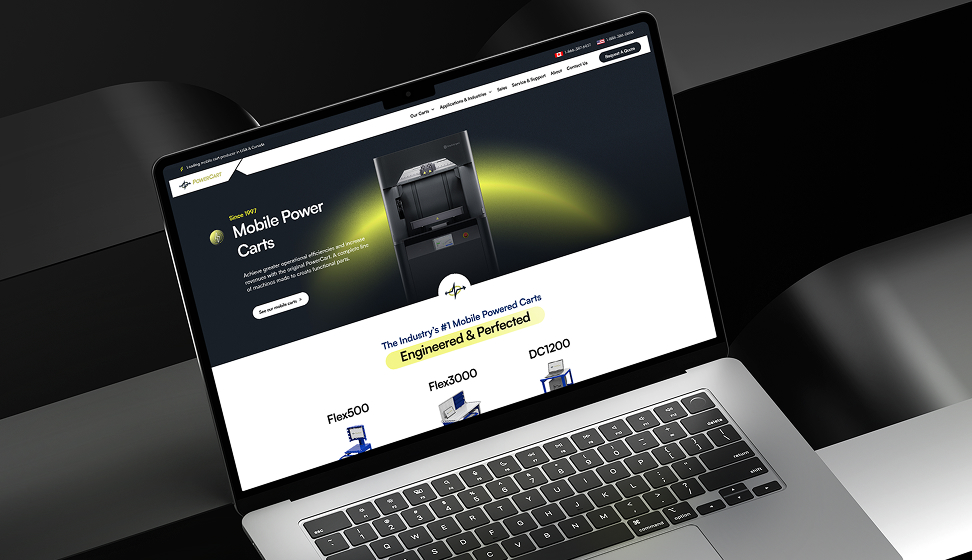
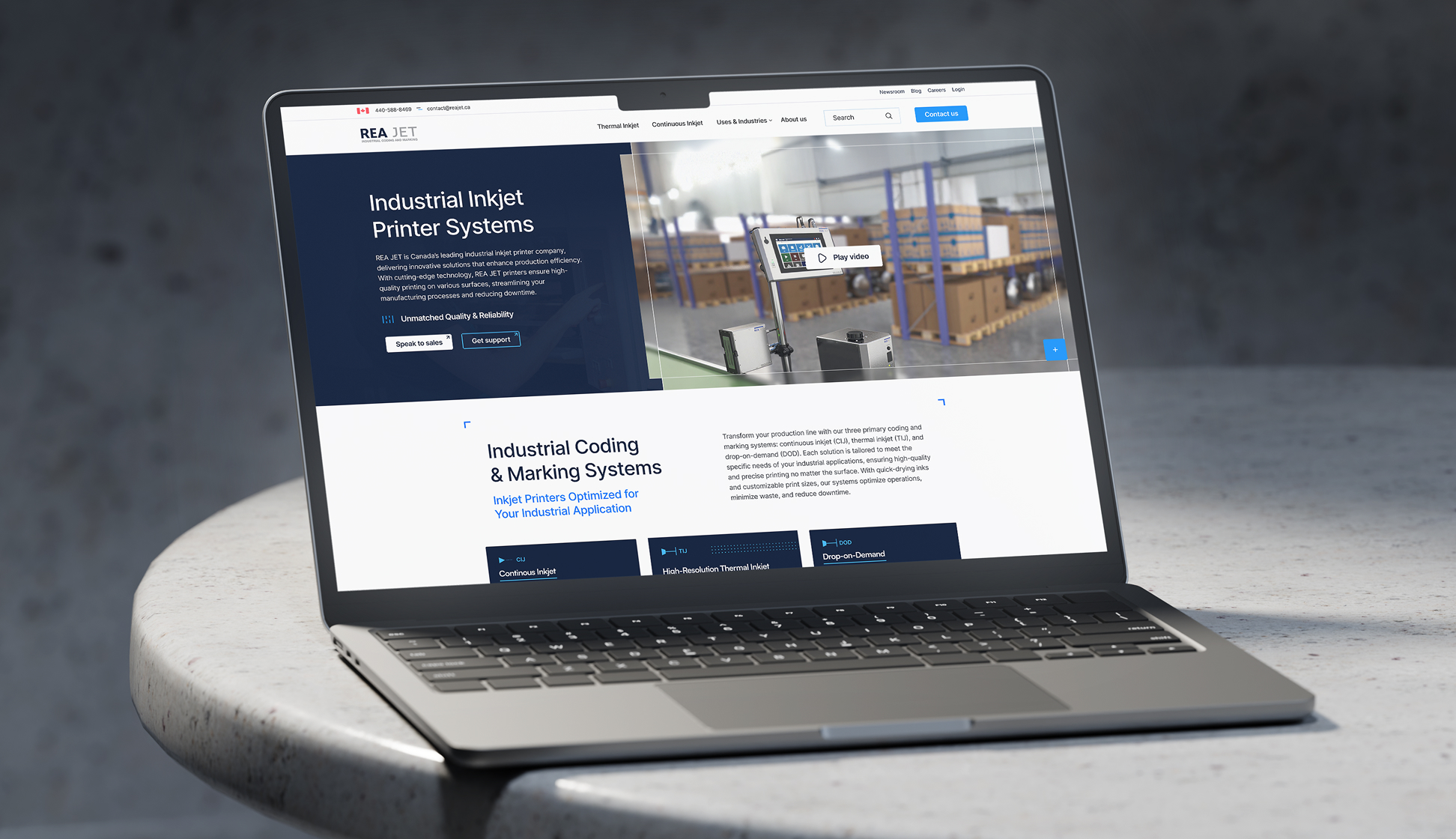
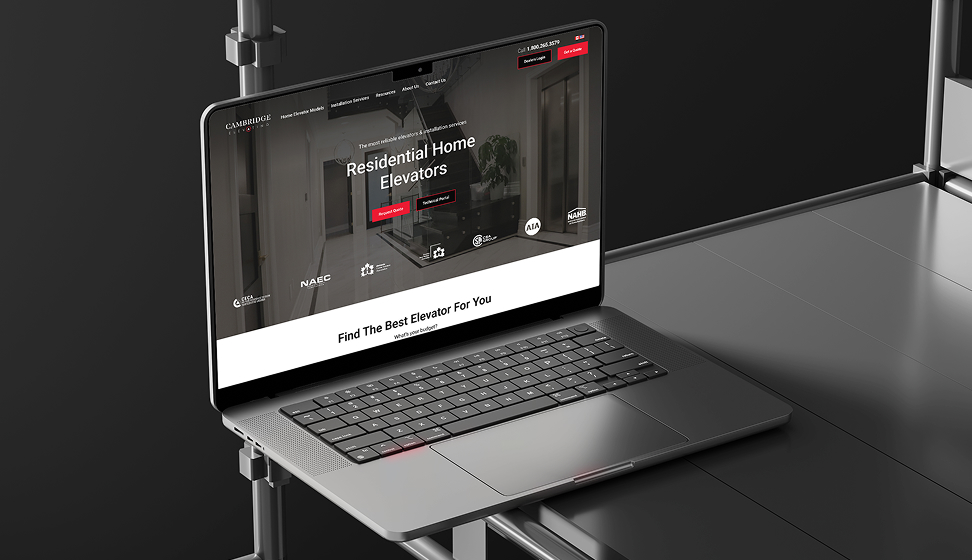
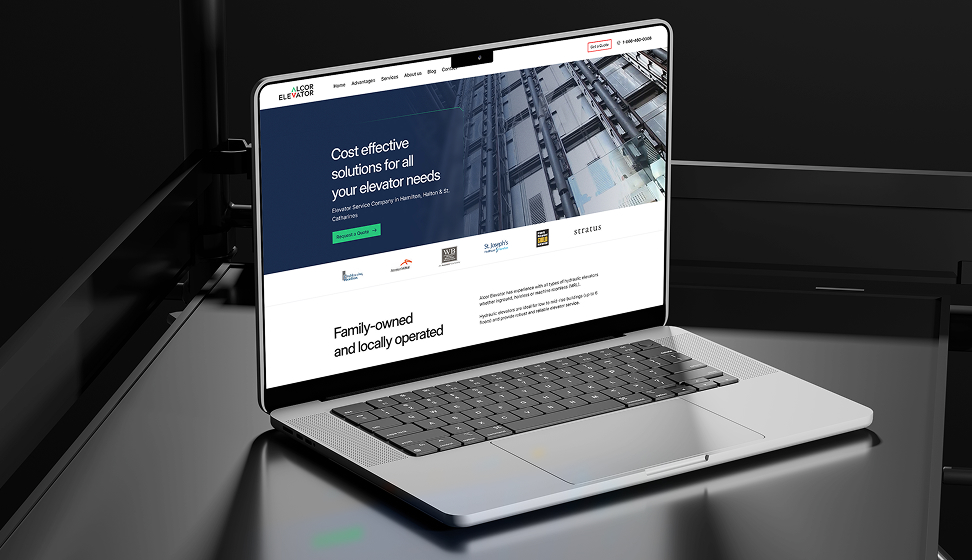
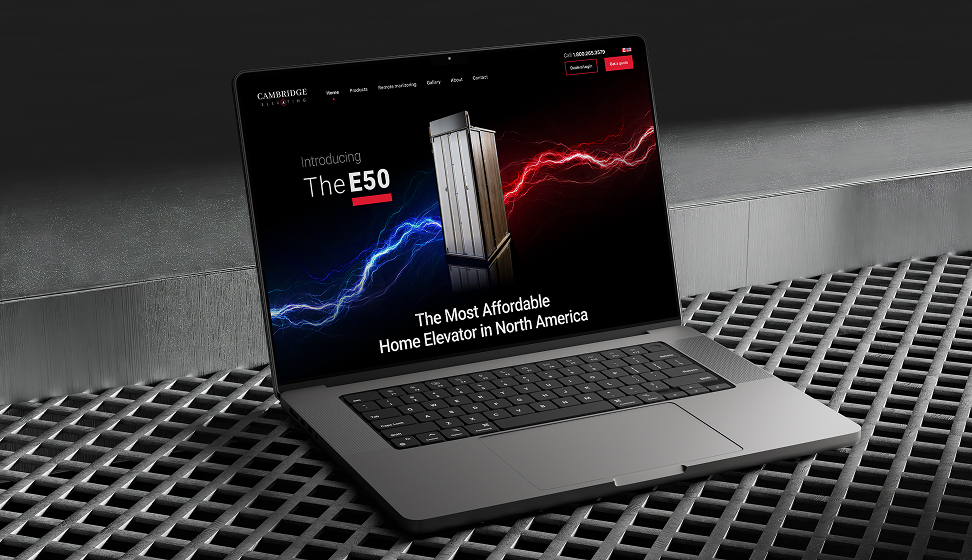
The lead generation and B2B marketing infrastructure gets engineered for how B2B buyers actually move through the funnel. Multi-step form logic that captures the right data at the right moments, gated content infrastructure that integrates cleanly with marketing automation, account-based marketing capabilities that support sales-led motion, custom landing page templates engineered for paid campaigns, and the kind of B2B-specific infrastructure that hosted CMS platforms either can’t deliver or charge enterprise pricing for. Our client roster is heavy on B2B operations (Resolver, Cambridge Elevating, Keyence, REAJet, PowerCart, and others) which means we’ve engineered B2B marketing infrastructure on WordPress across enough categories to know what produces real pipeline contribution.
The AI search visibility layer gets engineered into the build because we’re running AIO programs for clients across multiple categories and we know what AI systems actually look for when they evaluate sites for citation and recommendation. Most agencies haven’t started thinking about this layer yet. We’ve been building it into projects because the future of search visibility runs through AI systems alongside traditional search.
The handoff to your in-house marketing team or to whichever agency runs your marketing programs is clean because we built the site to support how marketing actually runs rather than how marketing shows up in agency case studies. Most sites require months of remediation work after launch to make them performable for marketing teams. Ours don’t, because the marketing reality was the design constraint, not the afterthought.
The honest framing is that you’re choosing between a development shop that builds what you ask for and an agency that builds what your marketing programs will actually need. Both can produce a working WordPress site. Only one produces a site that compounds value across the marketing programs running against it for years after launch.
WordPress Built for SEO and AI Search Visibility
The visibility your WordPress site earns across Google Search, AI Search, and the various discovery surfaces that drive web traffic is determined at the engineering layer. SEO and AIO are not features to add to a finished site. They are architectural commitments that get built into the site from the foundation up, with the technical, content, and structural decisions that determine whether the site actually ranks and gets cited or whether it operates beneath the visibility threshold its competitors are clearing.
Most WordPress sites we audit are technically capable of ranking and quietly underperform because the SEO foundation got treated as a Yoast plugin installed at launch rather than as an engineering discipline that runs through every decision in the build. The work matters because organic visibility is the highest-margin traffic source most sites have access to, and the gap between a site engineered for SEO and a site with a generic theme is where most operations lose what should be their most profitable channel.
The Technical SEO Foundation Underneath a Real WordPress Build
URL architecture is where the SEO foundation starts. WordPress’s permalink structure is flexible enough to support any URL strategy, and the default settings are mostly acceptable, but real engineering goes further. Custom URL structures that match the site’s content hierarchy. Canonical handling that resolves duplicate content correctly across categories, tags, and custom taxonomies. Redirect logic that protects authority through site evolution. Internal linking architecture that distributes ranking signals strategically. The kind of URL discipline that supports rather than undermines the broader SEO program.
Schema and structured data is where AI and search systems extract meaning from the site. Article schema, organization schema, breadcrumb schema, FAQ schema, HowTo schema, product schema for ecommerce sites, and the various other structured data types that signal context to crawlers all need to be implemented correctly and updated as the standards evolve. Yoast and Rank Math handle the surface-level implementation. Real engineering goes deeper, with custom schema for the specific content types, comprehensive coverage across the site, integration with content modeling, and the kind of structured data implementation that AI systems actually use for citation and recommendation.
Page speed and Core Web Vitals matter as ranking factors and as conversion factors simultaneously. We covered this in the performance section, but it matters again here because slow sites rank worse, and the engineering work that produces fast WordPress sites is the same engineering work that produces SEO-competitive sites. Lighthouse scores in the 90s, sub-second initial loads, and Core Web Vitals that pass on every page rather than on the homepage only.
JavaScript rendering for search crawlers is where most modern WordPress sites quietly underperform. Modern WordPress themes use significant JavaScript for interactivity, dynamic content, and modern UX patterns. Search crawlers and AI systems handle JavaScript-rendered content with varying reliability. We engineer the JavaScript layer with crawler accessibility in mind, ensuring critical content renders server-side, structured data is available without JavaScript execution, and the site performs equivalently for human visitors and crawler visitors.
Internal linking architecture is where SEO authority gets distributed across the site. The default theme link structure handles the basics. Real engineering builds intentional internal linking patterns: contextual links from content to relevant pages, related content networks that distribute authority across topics, breadcrumb structures that signal hierarchy correctly, and the kind of internal architecture that compounds organic performance over months. We build the linking strategy as part of the project rather than leaving it to whatever the theme defaults to.
Content Architecture and the Editorial Layer
The content layer matters as much as the technical foundation, because content is what actually ranks and gets cited. WordPress is the strongest content platform in CMS, with mature editorial workflow, custom content modeling, and the kind of editorial infrastructure that supports serious content marketing operations. Most sites have generic implementations that don’t take advantage of what the platform makes possible.
Blog architecture engineered for SEO and AIO produces content that ranks rather than content that exists. The work is in the structure: category architecture that supports topical authority, content modeling that lets editorial teams produce at scale, internal linking patterns that connect blog content to commercial content, and the kind of structural discipline that compounds organic performance as the content library grows. We’ve built content marketing programs across multiple categories and we know what architectural patterns produce ranking content versus what patterns produce content that quietly underperforms.
Content for AI search visibility is meaningfully different from content for traditional search. AI systems extract passages, evaluate authority signals, and cite sources in ways that traditional search ranking didn’t reward as directly. The content has to be structured for extraction (clear answers, scannable formatting, definitive statements), authoritative in the way AI systems evaluate authority (real expertise, substantive depth, citable claims), and discoverable to AI crawlers (proper structured data, accessible markup, clean rendering). We build content with both surfaces in mind because the future of search visibility runs through both AI and traditional systems.
The broader content infrastructure includes editorial workflow tools (custom post statuses, editorial calendars, multi-author permissions, review and approval flows), content modeling that fits how the editorial team actually thinks about its work, and the kind of authoring experience that lets editors produce at the scale serious content programs require. Most agencies install a generic editorial plugin and call it done. Real engineering builds editorial infrastructure designed around the specific team and the specific content operation.
AI Search Visibility on WordPress
The 2026 reality is that AI search is a meaningful traffic source rather than a future possibility. ChatGPT search, Perplexity, Microsoft Copilot, Google’s AI Overviews, Claude with web search, and the various other AI-driven discovery surfaces are sending real traffic to websites. The sites that participate competently are seeing meaningful share of category traffic flow through AI surfaces. The sites that don’t are losing visibility quietly as buyer behavior shifts.
WordPress is positioned particularly well for AI search visibility because of the platform’s ecosystem investment in this space. Yoast’s collaboration with Microsoft on NLWeb schema aggregation is one example of the broader WordPress ecosystem building AI-search infrastructure into the foundation. Schema implementations get more sophisticated as the AI ecosystem evolves. Content marking patterns that AI systems use for citation get incorporated into mature WordPress plugins. The platform’s depth in content management produces content infrastructures that AI systems can evaluate cleanly.
The engineering work to participate competently includes implementing comprehensive schema across the content library, structuring content for AI extraction (clear hierarchies, scannable formatting, definitive statements), building authority signals AI systems use for evaluation (author bios, expertise markers, citation patterns), and the broader content engineering that produces sites AI systems cite rather than sites AI systems ignore.
We build with this layer in mind because the future of organic discovery runs through AI systems alongside traditional search, and the sites positioned to capture this traffic are the sites whose engineering foundation supports it. The agencies that haven’t started thinking about this yet are quietly building sites that will be invisible in the channels their visitors are increasingly using.
Marketing Operations Integration
The SEO and AIO foundation only produces business outcomes if the marketing operations running against the site can actually feed it. We integrate the SEO and content infrastructure with the marketing programs from day one: keyword research integrated with content planning, content calendars that produce ranking content rather than random posts, link building infrastructure that builds authority over months, and the kind of marketing operations integration that turns the SEO foundation into compounding organic performance.
The handoff to your in-house team or to whichever agency runs your SEO is clean because we build the foundation with the operational reality in mind. Most SEO programs we inherit on WordPress sites spend the first six months doing remediation work because the previous build didn’t engineer the foundation properly. The sites we build don’t require remediation, which means the SEO program produces results from the first month rather than from the seventh.
The honest framing is that SEO and AI search visibility on WordPress is engineering work that has to be built into the foundation rather than added after launch. The platform is capable of ranking and getting cited at the highest level when the technical, content, and structural decisions are made correctly. Most sites quietly underperform because those decisions weren’t made with serious SEO in mind. The buyers who commit to a WordPress build with the right engineering partner end up with sites that compete seriously for organic and AI search traffic, with the kind of compounding visibility that produces revenue without proportional ongoing spend.
When Headless WordPress Is the Right Decision
Headless WordPress is the architecture decision where the content and admin live in WordPress while a custom frontend built on a modern JavaScript framework handles the customer-facing experience. The frontend talks to WordPress through the REST API or GraphQL rather than running as a PHP theme inside WordPress itself. This is a substantively different way to build a WordPress site, and it’s the right answer for some businesses and the wrong answer for others.
The conversation about headless WordPress gets pitched in the market in ways that don’t match the actual decision criteria. Agencies recommend it because it’s modern. Vendors recommend it because they sell the tooling. Buyers ask for it because they read about it. The honest framing is that headless WordPress is a real architectural commitment with real benefits and real costs, and the right answer depends on what your business is actually trying to do.
When Headless Is Genuinely the Right Call
Performance-critical use cases are the cleanest case. Traditional WordPress themes have performance ceilings imposed by PHP rendering, the database query model, and the asset pipeline. A well-engineered theme can be fast. A well-engineered headless WordPress site on a modern framework can be dramatically faster, with sub-second load times, near-instant navigation between pages, and the kind of perceived performance that meaningfully improves conversion in categories where speed matters. For businesses where the site speed itself is part of the brand experience, headless produces real differentiation.
Custom interaction and animation requirements are another clean case. Modern brand-led sites increasingly use sophisticated animation, custom interaction patterns, dynamic content presentation, and the kind of frontend experience that’s awkward to build inside the PHP theme system. Headless gives the design and engineering team total control over the frontend layer, with the full power of modern frontend frameworks to execute whatever the brand vision actually requires.
Multi-region and multi-property operations benefit from headless architecturally. A single WordPress backend serving multiple distinct frontends (different brands, different regions, different languages, different customer experiences) is dramatically cleaner on a headless stack than on the traditional theme system. Each frontend can be customized independently, deployed independently, and evolved at its own pace, while the underlying content and editorial infrastructure stays unified.
Content-led businesses that publish across multiple channels often benefit from headless. Operations where content needs to flow to a website, a mobile app, a kiosk display, partner integrations, and other surfaces are dramatically cleaner with a headless WordPress backend than with a theme-based one. The same content gets rendered differently on each surface, with WordPress serving as the content management system that powers the entire ecosystem rather than as the rendering engine for a single website.
Mobile app integration often points to headless. A site that needs to share content with a mobile app, with both surfaces drawing from the same editorial system, fits the headless model better than the theme model. The app and the website can share data, share editorial workflow, and share the broader content infrastructure cleanly when WordPress is operating as the backend rather than as the website itself.
Custom logic and custom data requirements that go beyond what traditional WordPress themes support are easier to handle in headless. Custom personalization logic, custom A/B testing infrastructure, custom data integration with external systems, and the kind of frontend-side intelligence that complex sites sometimes need are all cleaner to build in a modern framework than in PHP templates.
The Frontend Frameworks That Matter
The headless WordPress conversation has consolidated around a few frontend frameworks that have proven themselves in production. Each has trade-offs and the right answer depends on the specific situation.
Next.js is the most common choice for serious headless WordPress builds. The React-based framework handles server-side rendering, static generation, edge deployment, and the dozens of other capabilities that production headless sites need. The Next.js + WordPress combination has matured into a well-supported pattern with mature tooling (libraries like Faust.js and the official WordPress GraphQL plugin) and a large enough developer pool that finding qualified engineers is feasible.
Astro is the framework we increasingly reach for on content-led headless WordPress projects. The framework’s island architecture ships zero JavaScript by default and only hydrates the components that actually need interactivity, which produces dramatically faster sites than equivalent React or Next.js builds for content-led use cases. Astro is particularly strong for marketing sites, documentation, blogs, and content platforms where most pages are static and the interactive layer is selective.
Remix and Nuxt cover the React Router and Vue.js sides respectively. Frontity (specifically built for headless WordPress) had momentum in 2021-2023 but the ecosystem has consolidated around the more general-purpose frameworks since then. The framework choice should match the specific project requirements and the team’s existing expertise rather than being driven by what’s most discussed in the market.
When Headless Is the Wrong Call
The cases where headless doesn’t make sense matter as much as the cases where it does. A typical content site, brand site, or B2B lead-gen site, with operational simplicity as a priority value driver, often gets less benefit from headless than the engineering investment costs. The traditional WordPress theme system is mature, well-supported, and capable of producing excellent sites for the businesses it was designed for. Adding a headless layer adds engineering complexity, hosting considerations, deployment complexity, and ongoing maintenance burden that has to be justified by genuine business value rather than by the appeal of the architecture itself.
Sites where the team running the day-to-day operations isn’t technical enough to support a headless stack are often better served by traditional WordPress. Headless requires real engineering involvement for ongoing changes, frontend updates, and content modifications that involve custom components. A team that wants to make their own changes through the WordPress admin will struggle with a headless stack that requires developer involvement for changes that go beyond content editing.
Sites where the operational priority is publishing content quickly and iterating frequently often benefit from staying with traditional WordPress. The theme-based architecture lets editors preview changes immediately, see how content will look as it’s being created, and publish without waiting for a deployment pipeline to rebuild the frontend. Headless adds a layer between content creation and content publication that some editorial teams find frustrating.
The Honest Framing
We build headless WordPress sites when the project actually calls for it. We don’t recommend headless reflexively because it’s modern, and we don’t recommend against it because it’s complex. The decision is made based on the specific business situation: what the brand requires, what performance ceiling the business is hitting, what custom logic the site has to support, what the team running the site can actually maintain, and what the engineering budget supports. Done well, headless WordPress produces sites that genuinely outperform what traditional themes can deliver in the use cases where it fits. Done badly, it produces engineering complexity that taxes the operation without producing proportional business value. The judgment is the work, and the agencies that consistently get this judgment right are the ones who’ve built both architectures often enough to know when each one is the right answer.
Maintenance Plans That Keep Your WordPress Site Performing
WordPress sites need ongoing care in ways that hosted platforms structurally don’t. Security updates ship every few weeks. Plugin updates ship constantly across the dozens of plugins a typical site runs. WordPress core releases major versions multiple times a year. Hosting environments evolve. Browser standards shift. Search engines change ranking factors. AI search systems evolve their evaluation criteria. The site that worked perfectly at launch six months ago is operating in a different environment today, and the gap between “still working” and “still working at the level it should be” depends entirely on whether someone is maintaining it properly.
Most WordPress sites quietly degrade because nobody is actually maintaining them. The agency that built the site disappeared after the project ended. The internal team handling the site doesn’t have the engineering depth to do real maintenance work. The “hosting includes maintenance” promise turns out to mean automatic updates without testing, which causes more problems than it solves. The result is a site that started fast and secure and gradually becomes slower, less secure, and increasingly fragile as the cumulative weight of unmaintained changes adds up.
We offer maintenance plans because the businesses we work with deserve better than the typical post-launch agency disappearance. The maintenance work is real engineering, with the same discipline we apply to the build itself, and the value compounds over years as the site stays performant rather than degrading.
What Real WordPress Maintenance Includes
Security monitoring and patching is the foundational layer. WordPress security threats evolve constantly. Vulnerabilities in plugins, themes, and core get discovered and patched on an ongoing basis. The maintenance work is to monitor security advisories, evaluate which patches affect your site, test the patches in staging before deploying them to production, and ship the updates with the engineering discipline that prevents update breakage. The alternative, which most sites default to, is automatic updates that occasionally break the site or skipping updates entirely until a vulnerability gets exploited.
Plugin and core updates with proper testing matter more than the marketing makes them sound. WordPress core releases, plugin updates, and theme updates all need to be evaluated for compatibility before they ship to production. The “press the update button and hope for the best” approach produces sites that break unpredictably. We test updates in staging environments, identify compatibility issues before they affect the live site, and ship updates with the confidence that the site will keep working afterward.
Performance monitoring catches the slow degradation that affects most WordPress sites. Performance regressions happen for reasons that aren’t obvious to teams without the tools and discipline to detect them. New content, new plugins, traffic pattern shifts, hosting changes, third-party service degradation, and the dozens of other factors that affect performance accumulate over months. Real performance monitoring catches these regressions early and addresses them before they become noticeable to visitors.
Uptime monitoring and incident response handles the operational reality that production sites occasionally have outages. The maintenance work isn’t just being notified when the site goes down. It’s having the engineering capability to diagnose what’s wrong, fix it quickly, and prevent the same issue from recurring. Sites we maintain have meaningful uptime improvements over sites operating without engineering support, because the response time and the diagnostic depth determine how long outages actually last.
Backup management and disaster recovery preparation matters when something goes seriously wrong. Real backup systems test restoration regularly, store backups across multiple geographic locations, retain backups for periods that match real recovery scenarios, and integrate with the hosting infrastructure cleanly. Most sites have backup configurations they’ve never tested, which means they often discover during an actual incident that the backups aren’t usable.
Database maintenance keeps the site running cleanly as the data grows. WordPress’s database tables accumulate cruft over time: revisions, transients, expired sessions, orphaned metadata, and the various other detritus that builds up in production environments. Regular database optimization keeps the site performing as the data scales, with the engineering work to clean up what should be cleaned up without removing data the site actually needs.
Content updates and editorial support are part of maintenance plans for clients who want them. New page creation, content updates, image optimization, schema updates as content evolves, and the broader editorial support that lets internal teams focus on strategy rather than implementation. Not every maintenance plan includes this layer, but the plans that do produce dramatically better content operations because the team running marketing isn’t constantly waiting on developer time for routine changes.
Strategic check-ins are where the maintenance relationship becomes a real partnership rather than a ticket-handling service. Quarterly or monthly strategic reviews where we look at what’s happening with the site, what’s changing in the WordPress ecosystem, what’s evolving in your business, and what changes the site might benefit from. The check-ins surface opportunities the team running the site wouldn’t otherwise see, which is where maintenance becomes a strategic asset rather than an operational expense.
Why Maintenance Matters Even More in 2026
The 2026 reality makes WordPress maintenance more important than it was three years ago, not less. The platform itself is evolving faster, with WordPress 7.0 introducing the Abilities API and AI integration capabilities that need engineering attention to deploy correctly. The plugin ecosystem is shipping AI features at pace, which require evaluation, testing, and deployment discipline rather than automatic adoption. The security threat landscape is more sophisticated, with AI-assisted attacks producing new categories of threats that require ongoing vigilance. The performance expectations from search engines and AI systems are tightening, which means sites that don’t maintain their performance gradually lose visibility.
Sites we maintain are positioned to capture these evolutions cleanly because the engineering attention is already in place. Sites without maintenance partners gradually fall behind, with capabilities they could have adopted being adopted by competitors instead, with security exposures accumulating, with performance degrading, and with the broader operational reality drifting away from where it should be.
The Honest Framing
WordPress maintenance is the difference between a site that compounds value over years and a site that compounds liability over years. Done properly, maintenance keeps the site performing at the level it was built for, captures the platform evolution as it ships, and produces a digital asset that actually serves the business across the multi-year horizon serious operations need to think about. Done badly or skipped entirely, the site that started as an asset becomes a slowly accumulating problem, until the day it becomes urgent and the cost of remediation is dramatically higher than the cost of ongoing maintenance would have been.
Our maintenance plans are real engineering relationships, with senior team involvement, real testing discipline, and the kind of ongoing attention that produces sites that keep working at the level they were built for. The buyer who commits to a serious WordPress build is also committing to a multi-year operational relationship with whoever maintains the site, and choosing the right partner for that relationship is as consequential as choosing the right agency for the build.
The Future of WordPress With AI: WordPress 7.0, the Abilities API, MCP, and the Agentic Web
The story most agencies are telling about AI and websites is generic. AI content generation, AI chatbots, AI-powered analytics, the same talking points repeated across every platform. The actual story for WordPress specifically is more interesting and more consequential, because Automattic and the broader WordPress community are building AI infrastructure into the platform at a depth that positions WordPress to be one of the reference platforms for the agentic web era.
The shift that matters is happening at the protocol layer rather than at the feature layer, and the changes are arriving fast. The buyer committing to WordPress in 2026 is committing to a platform that will be substantively different in two years from where it sits today, in ways that produce real business value rather than feature checklist additions.
What’s Already Shipped and What’s Coming
WordPress 6.9 (January 2026) introduced the server-side Abilities API, which lets plugins and themes register capabilities that AI agents and external tools can discover and invoke. This is the foundational layer underneath most of what comes next, and it’s already running on millions of WordPress sites that auto-update.
WordPress 7.0 was originally scheduled for April 9, 2026, then delayed to May 20, 2026 (about two weeks from now as of this writing) due to architectural work on the Real-Time Collaboration storage layer. The release ships three substantive AI infrastructure layers alongside the collaboration features:
The JavaScript counterpart to the Abilities API. The PHP version shipped in 6.9. The 7.0 release brings the JavaScript version, with two packages (@wordpress/abilities for state management and @wordpress/core-abilities for the WordPress integration layer) that auto-fetch server-registered abilities via REST. This opens up browser-based AI agent integration alongside server-side agent integration.
The WP AI Client (php-ai-client). A provider-agnostic AI infrastructure built into WordPress core. Plugins describe what they need, WordPress routes the request to whichever AI provider the site owner has configured. Official provider plugins cover Anthropic, Google, and OpenAI at launch, with the architecture supporting any AI provider the ecosystem builds connectors for.
The Connectors API and UI. A centralized hub at Settings > Connectors for managing AI providers and other external service integrations. Site owners configure their AI provider preferences in one place, and every plugin that uses the WP AI Client routes through that configuration. This solves the fragmentation problem where every plugin previously built its own AI integration with its own settings, its own API key management, and its own quirks.
The combination of these three layers turns WordPress into an AI-native platform at the infrastructure level. Plugins can declare capabilities in a standardized format. AI agents can discover and invoke those capabilities through MCP-compatible interfaces. Site owners configure AI provider preferences once and have those preferences flow through every plugin that uses AI. The architecture is fundamentally different from the previous era where AI was something each plugin handled separately.
What This Means for Site Owners
The practical implication is that WordPress sites running 7.0 and later become AI-agent-discoverable surfaces by default. AI agents like Claude, ChatGPT, Cursor, and the various other MCP-compatible clients can query WordPress sites for what they’re capable of, invoke registered abilities to perform actions, and operate against the site through standardized interfaces rather than through site-specific scraping.
For the sites we build, this opens up genuinely useful workflows that weren’t viable before. AI agents that handle bulk content updates without anyone logging into the admin. AI assistants that perform analytics queries against site data and surface insights. AI-driven content optimization that runs against real performance data rather than against generic best practices. Operational workflows that bridge WordPress data with the rest of the business stack through AI orchestration.
The architecture also positions WordPress sites to participate in the broader agentic web as it forms. The same MCP-based interfaces that connect AI assistants to WordPress sites also connect AI assistants to other systems, with WordPress potentially serving as the orchestration layer between content management and the broader AI ecosystem. The platform’s openness, the ecosystem depth, and the protocol-level investment all point toward WordPress being a meaningful participant in the agentic web rather than a static publishing platform that AI happens to consume.
The Real-Time Collaboration Layer
WordPress 7.0 also ships Phase 3 collaboration features that change how editorial teams work in WordPress. Multiple users can edit the same post simultaneously, with cursors and changes visible in real time. A new Notes system lets editors leave comments on specific blocks. The collaboration features bring WordPress closer to the Google Docs model for content creation, which matters meaningfully for editorial teams that have outgrown the single-author model WordPress was built around.
The collaboration features are why the release was delayed. The team needed to get the storage architecture right because the Real-Time Collaboration data model has to support millions of sites without performance regressions. The delay reflects engineering discipline rather than instability, and the released version will be more stable for it.
The Broader WordPress AI Ecosystem
The plugin ecosystem is shipping AI integrations at pace alongside the core platform changes. Yoast’s collaboration with Microsoft on NLWeb schema aggregation. AI-powered content tools across the major plugin vendors. AI-driven SEO optimization. AI-assisted editorial workflow. AI-powered customer service for WordPress sites running customer interaction features. The ecosystem is moving fast enough that any buyer evaluating WordPress in 2026 should be planning for an operational reality where AI is integrated across the site management workflow within the next 18 months.
We integrate these capabilities into the projects we build, with clear boundaries around what AI handles autonomously and what requires human judgment. The capabilities are real and valuable when used correctly. They’re not replacements for the engineering and strategic depth that produces real business outcomes. We treat them as accelerators for specific workflows rather than as substitutes for the work that actually matters.
The Honest Framing
The future of WordPress with AI isn’t a marketing talking point. It’s an active platform shift happening at the protocol layer, supported by Automattic, Anthropic, Google, OpenAI, Microsoft, and the broader ecosystem, with capabilities shipping in versions that are already deployed or arriving in the next few weeks. WordPress is positioned to be one of the reference platforms for the agentic web era because the platform investments are being made at the protocol level, the infrastructure level, and the operational level simultaneously.
The buyer committing to WordPress today is committing to a platform that will be substantively different in two years, in ways that produce real business value rather than feature checklist additions. The buyer committing to a platform that hasn’t made these investments is committing to whatever that platform’s vendor decides to ship at whatever pace they decide to ship it.
We build with this trajectory in mind because we’re paying attention to the protocols, the capabilities, and the practical integration work as it ships. The sites we build today are positioned to participate in the agentic web ecosystem as it matures, with the engineering foundation that makes the integration work possible rather than a foundation that will need to be rebuilt to support the next era of the web. The honest framing is that the buyers who choose WordPress in 2026 with the right engineering partner are the buyers who will look back in three years and recognize they made the right call at the right time.